WadsworthFallsStateParkNatureAndAdventureGuide
Table of Contents
- Wadsworth Falls State Park: A Comprehensive Overview of Connecticut’s Natural Gem
- Historical Context and Establishment of Wadsworth Falls State Park
- Geographical Positioning and Natural Landscape Features
- Comparison with Other Connecticut State Parks
- Cultural and Recreational Significance in the Community
- Natural Attractions and Scenic Highlights: Exploring Wadsworth Falls State Park’s Beauty
- Wadsworth Falls: Connecticut’s Majestic Waterfall and Its Seasonal Variations
- Hidden Trails and Lesser-Known Viewpoints: A Guide to Off-the-Beaten-Path Exploration
- Flora and Fauna: Wadsworth Falls State Park’s Biodiversity
- Seasonal Activities: A Year-Round Guide to Park Experiences
- Water Bodies and Ecological Significance: Ponds, Streams, and Recreational Opportunities
- Outdoor Recreation and Adventure: Activities for All Visitors
- Hiking Trails: Distances, Elevation Gains, and Landmarks
- Camping Regulations and Seasonal Availability
- Family-Friendly Activities and Junior Ranger Programs
- Comparison Table: Popular Outdoor Activities in Wadsworth Falls State Park
- Conservation and Environmental Efforts: Preserving Wadsworth Falls State Park
- Comprehensive Conservation Programs and Ecological Restoration
- Volunteer Engagement and Community Partnerships
- Sustainable Visitor Practices and Ecological Stewardship
- Environmental Education and Conservation Outreach
- Regional Biodiversity and Climate Resilience Contributions
- Visitor Information and Practical Tips: Planning Your Trip to Wadsworth Falls State Park
- Park Hours, Entrance Fees, and Contact Information
- Step-by-Step Trip Preparation Checklist
- Optimal Visiting Times to Avoid Crowds
- Park Amenities Comparison Table
- Nearby Attractions and Extending Your Stay: Exploring the Surrounding Area
- Nearby Towns and Cities Worth Visiting
- Day Trips and Excursions from Wadsworth Falls State Park
- Lodging Options Near Wadsworth Falls State Park
- Comparison of Top Nearby Attractions
- Local Food and Beverage Recommendations
Nestled in Connecticut’s rolling hills, Wadsworth Falls State Park stands as a timeless sanctuary where cascading waterfalls, ancient forests, and rugged trails converge into an outdoor paradise. Established in 1929, the park has preserved its natural grandeur for nearly a century, offering visitors a retreat from urban life while serving as a critical hub for conservation and recreation in the region. Its 1,300 acres embrace a diverse ecosystem, from the thunderous 60-foot Wadsworth Falls to serene woodlands teeming with wildlife, making it a year-round destination for hikers, photographers, and nature enthusiasts.
The park’s strategic location near Hartford and its seamless integration into Connecticut’s park system have cemented its reputation as a must-visit landmark. Unlike many state parks, Wadsworth Falls blends historical significance with modern outdoor adventures, hosting everything from family-friendly picnics to challenging backcountry treks. Whether you’re drawn by the allure of seasonal foliage, the thrill of winter snowshoeing, or the tranquility of a quiet morning hike, the park’s multifaceted appeal ensures no two visits are ever the same. Its role in local culture extends beyond recreation, as it stands as a testament to collaborative conservation efforts that balance human enjoyment with ecological preservation.

Wadsworth Falls State Park: A Comprehensive Overview of Connecticut’s Natural Gem
Wadsworth Falls State Park stands as one of Connecticut’s most cherished outdoor destinations, blending natural beauty with historical significance. Established in 1934 as part of the state’s expanding park system, the 1,200-acre park was originally designated to preserve the scenic Farmington River Gorge and its cascading waterfalls, including the iconic Wadsworth Falls, a 65-foot drop that draws visitors year-round. The park’s creation reflected Connecticut’s growing commitment to conservation, particularly in response to industrialization and urban sprawl during the early 20th century. Its strategic location—just 20 miles northwest of Hartford—made it accessible for both locals and tourists, solidifying its role as a cornerstone of the state’s outdoor recreation network.
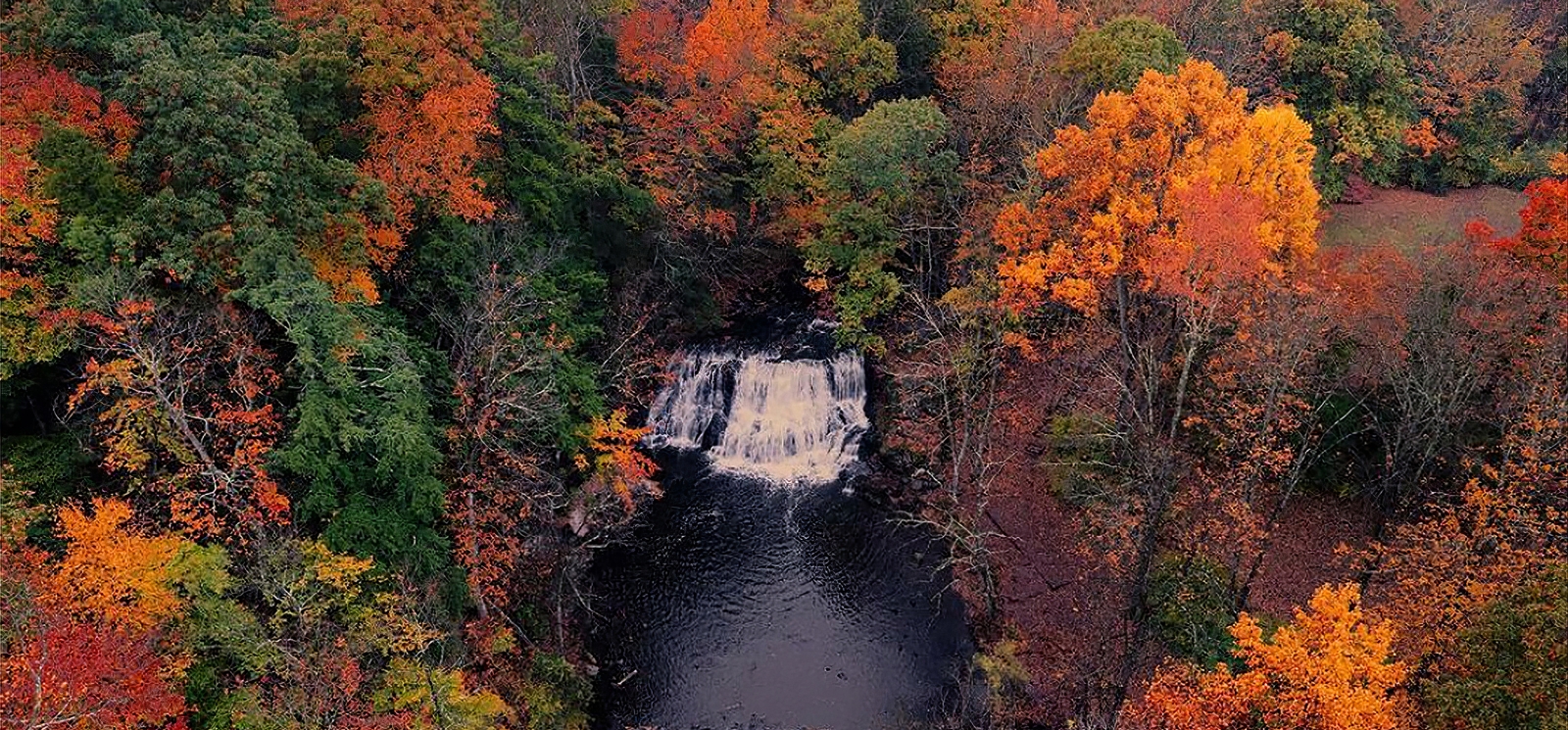
The park’s geographical features are as diverse as they are striking. Situated within the Taconic Range, Wadsworth Falls State Park spans elevations from 600 to 1,200 feet, offering dramatic cliffs, dense hardwood forests, and a network of rivers and streams that feed into the Farmington River. The Farmington River Gorge, a National Natural Landmark, cuts through the park, creating a rugged landscape of sandstone ledges, waterfalls, and deep ravines. The park’s terrain includes well-marked trails for hiking, rock climbing, and wildlife observation, while its proximity to Metacomet Ridge—a 400-mile geological formation—enhances its ecological importance.
Historical Context and Establishment of Wadsworth Falls State Park

Wadsworth Falls State Park’s origins trace back to the 1920s, when conservationists and outdoor enthusiasts lobbied for the protection of the Farmington River Gorge. The park’s name honors Daniel Wadsworth, an early 19th-century Connecticut industrialist and philanthropist who owned land in the area and advocated for its preservation. His vision aligned with the broader Civilian Conservation Corps (CCC) initiatives of the 1930s, which transformed the site into a public park with trails, bridges, and picnic areas.
The park’s historical significance extends beyond its establishment. During the Great Depression, Wadsworth Falls served as a recreation hub for Hartford residents, offering a respite from urban life. In later decades, it became a focal point for environmental education, hosting programs on geology, ecology, and sustainable land use. Today, the park remains a testament to Connecticut’s early conservation efforts, with its original stone bridges, CCC-built trails, and historic overlooks still in use.
Geographical Positioning and Natural Landscape Features
Wadsworth Falls State Park is strategically located in Simburne, Connecticut, within Litchfield County, placing it near major transportation routes such as Route 4 and Route 202. Its proximity to Hartford (20 miles), Springfield, Massachusetts (30 miles), and New Haven (45 miles) makes it a convenient destination for day trips. Within Connecticut’s park system, Wadsworth Falls holds a unique position as one of the few parks featuring a major waterfall and river gorge combination, distinguishing it from flatter coastal or forest parks.
The park’s elevation gradient creates microclimates that support a variety of ecosystems. The lower elevations feature deciduous forests dominated by oak, maple, and hickory, while higher areas transition into northern hardwood and hemlock stands. The Farmington River, a Class A scenic river, flows through the gorge, providing habitat for trout, bald eagles, and rare plant species like the yellow lady’s slipper. The park’s sandstone formations, including Wadsworth Falls’ cascading tiers, are a result of glacial activity during the last Ice Age, adding to its geological allure.
Comparison with Other Connecticut State Parks
Wadsworth Falls State Park’s prominence is further highlighted when compared to other notable state parks in Connecticut. Below is a contextual comparison of four key parks, emphasizing differences in size, location, and establishment history.
| Park Name | Location (County) | Size (Acres) | Year Established |
|---|---|---|---|
| Wadsworth Falls State Park | Litchfield County | 1,200 | 1934 |
| Sleeping Giant State Park | New Haven County | 2,400 | 1934 |
| Hammond State Park | New London County | 1,600 | 1925 |
| Bluff Point State Park | New Haven County | 600 | 1962 |
While Sleeping Giant and Hammond are larger in acreage, Wadsworth Falls distinguishes itself with its unique gorge and waterfall system, which is absent in flatter parks like Bluff Point. Its central location also makes it more accessible than remote parks such as Sleeping Giant, which is situated in a less populated region.
Cultural and Recreational Significance in the Community
Wadsworth Falls State Park has deep roots in local culture, serving as a gathering place for outdoor enthusiasts, artists, and educators. The park’s trails and overlooks have inspired generations of hikers, photographers, and painters, with its dramatic landscapes featuring in Connecticut’s official tourism campaigns. Annual events, such as the Wadsworth Falls Day (held since the 1940s), draw thousands of visitors for guided hikes, live music, and educational workshops on wildlife conservation.
The park also plays a critical role in environmental stewardship. Its Farmington River Gorge is a designated Important Bird Area (IBA), supporting species like the bald eagle and peregrine falcon. Conservation programs, including invasive species removal and habitat restoration, are actively managed by the Connecticut Department of Energy & Environmental Protection (DEEP). Additionally, the park’s educational trails introduce visitors to geology, hydrology, and forest ecology, fostering a culture of sustainable outdoor recreation.
"Wadsworth Falls State Park is more than a natural wonder—it is a living classroom where the story of Connecticut’s landscapes, history, and conservation efforts comes alive. From its CCC-built trails to its towering waterfalls, the park embodies the spirit of preservation that defines our state." —Connecticut State Parks Historical Commission, 2018
Natural Attractions and Scenic Highlights: Exploring Wadsworth Falls State Park’s Beauty
Wadsworth Falls State Park stands as a testament to Connecticut’s natural splendor, where cascading waterfalls, lush forests, and serene water bodies converge to create a dynamic ecosystem. The park’s allure lies not only in its iconic Wadsworth Falls but also in its hidden trails, diverse wildlife, and ever-changing seasonal landscapes. From the thunderous roar of water in spring to the crisp silence of winter, each visit reveals a new facet of this ecological gem. Below, discover the park’s most breathtaking features, seasonal transformations, and lesser-known secrets waiting to be explored.
Wadsworth Falls: Connecticut’s Majestic Waterfall and Its Seasonal Variations
Wadsworth Falls, the park’s centerpiece, plunges 70 feet in two distinct tiers, forming a dramatic cascade that draws visitors year-round. The upper tier, a 60-foot drop, dominates the view from the main overlook, while the lower tier, a 10-foot descent, adds to the waterfall’s rhythmic allure. The falls’ water flow varies significantly with the seasons: spring brings the most powerful rush, fueled by melting snow and heavy rainfall, while summer maintains a steady, misty cascade. In autumn, reduced flow reveals moss-covered rocks and vibrant foliage framing the falls, and winter often freezes sections into icy sculptures, creating a surreal, glass-like effect.
The best viewing spots depend on the season and desired perspective. The main overlook, accessible via a short, paved path from the parking lot, offers the most iconic viewpoint, ideal for photography and family visits. For a more immersive experience, the lower trail (a 0.3-mile loop) leads to a hidden vantage point behind the falls, where the mist’s cool spray enhances the sensory experience. Spring and early summer are optimal for this trail due to potential slippery rocks, while fall provides unobstructed views with minimal crowds. Safety precautions include wearing sturdy footwear and avoiding the lower trail after heavy rain, as erosion can make rocks unstable.
Hidden Trails and Lesser-Known Viewpoints: A Guide to Off-the-Beaten-Path Exploration
Beyond the main attractions, Wadsworth Falls State Park conceals a network of trails that reward adventurers with secluded vistas and tranquil wilderness. These paths vary in difficulty, from easy, family-friendly loops to moderate hikes requiring navigation skills and trail awareness. Below is a structured guide to accessing hidden gems, including estimated hiking times, terrain descriptions, and safety considerations.
The Hidden Falls Trail (1.2 miles round-trip, moderate difficulty) departs from the main parking area and winds through dense woodland before emerging at a secondary waterfall, less frequented but equally stunning. This trail features uneven terrain and root obstacles, making it unsuitable for strollers or those with mobility challenges. Best visited in late spring or early fall, when the underbrush is manageable and the secondary falls are at their most vibrant. Hikers should carry trekking poles for stability and bug spray during warmer months.
For a challenging but rewarding experience, the Ridge Trail (2.5 miles round-trip, difficult) climbs to a forested ridge offering panoramic views of the park and surrounding valleys. This trail demands proper footwear and moderate fitness levels, with sections involving steep inclines and rocky outcrops. The summer solstice illuminates the ridge with golden light, creating a magical atmosphere, while autumn transforms the landscape into a fiery mosaic. Winter hikers should exercise caution due to icy patches, and microspikes are recommended for traction.
Flora and Fauna: Wadsworth Falls State Park’s Biodiversity
The park’s temperate deciduous forest and wetland ecosystems support a rich tapestry of native plant and animal species, each playing a crucial role in the park’s ecological balance. Spring awakens the forest with trillium flowers, wild blueberries, and Virginia bluebells, while summer introduces black-eyed Susans and goldenrod, attracting pollinators like monarch butterflies and hummingbirds. Autumn paints the landscape in maple, oak, and birch hues, and winter reveals the skeletal beauty of hemlock and pine trees, providing shelter for wildlife.
Wadsworth Falls State Park is a birdwatcher’s paradise, with over 150 species recorded, including bald eagles, great blue herons, and scarlet tanagers. Mammals such as white-tailed deer, red foxes, and black bears roam the woods, often leaving tracks near water sources. Amphibians and reptiles like wood frogs, salamanders, and eastern garter snakes thrive in the park’s moist environments. Seasonal changes in the ecosystem create dynamic shifts: spring migration brings warblers and thrushes, summer hosts nesting owls and hawks, and winter offers rare glimpses of snowy owls along the edges of open fields.
Seasonal Activities: A Year-Round Guide to Park Experiences
Wadsworth Falls State Park transforms with each season, offering distinct activities tailored to the time of year. Below is a curated list of seasonal highlights, complete with optimal visiting months and essential gear.
- Spring (April–June): The park bursts into life as melting snow feeds the waterfalls, and wildflowers carpet the forest floor. This is prime time for birdwatching, particularly during spring migration (April–May), when warblers and vireos flock to the area. Fishing in the Farmington River (accessible via the park’s northern boundary) peaks in late May, with trout and bass abundant. Gear to pack: Waterproof boots, binoculars, and a fishing license (required for ages 16+).
- Summer (July–August): Warm temperatures and long daylight hours make this the busiest season, ideal for hiking, swimming, and kayaking. The Farmington River offers calm stretches for kayaking and canoeing, with rentals available nearby in Farmington. Night hikes in July reveal bioluminescent mushrooms and fireflies in the meadows. Gear to pack: Swimwear, sunscreen, a cooler for picnics, and a headlamp for evening explorations.
- Autumn (September–November): The park’s foliage reaches its peak in mid-October, with maple, oak, and birch trees creating a kaleidoscope of reds, oranges, and golds. Leaf-peeping hikes along the Ridge Trail and Hidden Falls Trail are unparalleled. Wildlife activity remains high, with deer rutting season in November offering rare sightings. Gear to pack: Layers for changing temperatures, a camera with a zoom lens, and trail mix for energy.
- Winter (December–March): A serene, snow-covered landscape transforms the park into a winter wonderland. Cross-country skiing and snowshoeing are popular, with groomed trails maintained by the park. Ice formations on the waterfalls create stunning photographic opportunities, particularly in January and February. Gear to pack: Insulated boots, thermal layers, microspikes for traction, and a thermos of hot beverages.
Water Bodies and Ecological Significance: Ponds, Streams, and Recreational Opportunities
Wadsworth Falls State Park’s water bodies—including the Farmington River, ponds, and streams—serve as lifelines for wildlife and recreational hubs for visitors. The Farmington River, flowing along the park’s northern edge, is a Class A scenic river and a critical habitat for trout, bass, and migratory fish. Its gentle rapids and deep pools make it a favorite for fishing, kayaking, and tubing, with guided tours available from local outfitters. Anglers target brook trout and smallmouth bass, while paddlers enjoy multi-day trips along its 40-mile stretch through Connecticut.
Within the park, small ponds and wetlands support frog and turtle populations, and beaver dams create miniature ecosystems that filter water and prevent erosion. These areas are off-lim
Outdoor Recreation and Adventure: Activities for All Visitors
Wadsworth Falls State Park offers a diverse range of outdoor activities that cater to every skill level and interest, from serene nature walks to adrenaline-pumping adventures. Nestled in the heart of Connecticut’s scenic landscapes, the park provides opportunities for hiking, camping, wildlife observation, and seasonal sports. Whether visitors seek a peaceful retreat or an action-packed excursion, the park’s well-maintained trails, designated campgrounds, and family-friendly programs ensure an inclusive experience for all. Below is a detailed exploration of the park’s recreational offerings, structured to guide visitors in planning their ideal adventure.
Hiking Trails: Distances, Elevation Gains, and Landmarks
Wadsworth Falls State Park features a network of 10+ miles of trails that traverse lush forests, rocky outcrops, and cascading waterfalls, making it a paradise for hikers. The trails vary in difficulty, ensuring options for beginners, intermediate hikers, and seasoned adventurers. Total elevation gain across the park ranges from 200 to 1,000 feet, depending on the route, with some trails offering panoramic views of the Farmington Valley.
For beginner-friendly trails, the Wadsworth Falls Loop (1.5 miles, 250 ft elevation gain) is a must-visit. This easy, well-marked loop leads to the park’s namesake 70-foot waterfall, a stunning feature that thunders over basalt columns during spring and early summer. Along the way, hikers encounter smooth, shaded paths and occasional benches for rest. Another accessible option is the Hop River Trail (2 miles round-trip), which follows the riverbank and offers gentle inclines with opportunities for birdwatching and wildflower spotting in warmer months.
Intermediate hikers may prefer the Black Rock Trail (3 miles round-trip, 500 ft elevation gain), which combines forest hiking with a short but steep climb to a basalt outcrop overlooking the park. This trail rewards visitors with sunset views and a quieter, less crowded experience. The Bear Mountain Trail (4 miles round-trip, 800 ft elevation gain) is another favorite, featuring rocky terrain, dense foliage, and a mix of open meadows, culminating in a 360-degree vista of the surrounding hills.
For advanced hikers, the Long Ridge Trail Connection (5+ miles, 1,000 ft elevation gain) links Wadsworth Falls to the Metacomet Ridge Trail, offering a rugged, backcountry experience with bluffs, ledges, and remote wilderness. This trail demands proper footwear and navigation skills, as sections can be rocky and unmarked. Hikers should carry water, wear layers, and check weather conditions before embarking, especially in summer when temperatures can rise quickly.
Trail Tips for All Hikers:
Best Seasons: Spring (waterfalls at peak flow) and fall (vibrant foliage). Wildlife Encounters: Black bears, deer, and various bird species are common; carry bear spray in remote areas. Leave No Trace: Pack out all trash, stay on marked trails, and respect wildlife habitats.
Camping Regulations and Seasonal Availability
Wadsworth Falls State Park operates a reservation-based campground with 16 tent and trailer sites, providing a mix of wooded and open areas for visitors seeking an immersive nature experience. Camping is permitted year-round, though seasonal availability and weather conditions may affect access. The campground features pit toilets, picnic tables, and fire rings, with no hookups or electric services to maintain a rustic atmosphere.
Reservations must be made through the Connecticut State Parks Reservation System or by calling 860-563-7805. Sites are first-come, first-served for walk-ins, but popular weekends (especially summer and fall) often fill quickly. Fees vary by season, typically ranging from $25–$40 per night for tents and $40–$60 for RVs, with Connecticut residents receiving a 10% discount. Group camping (up to 25 people) is allowed with prior approval and an additional fee.
Key Camping Rules:
Maximum Stay: 14 consecutive days; campers must move to another site or leave the park. Firewood: Must be purchased from licensed vendors within Connecticut to prevent invasive species spread. Pets: Allowed on leashes (max 6 ft); not permitted in buildings or on picnic tables. Quiet Hours: 10 PM–6 AM; generators must be turned off by 10 PM. No Campfires: During high fire danger periods (typically July–September); use portable stoves instead.
Seasonal Considerations: - Spring (April–May): Muddy trails; waterfalls at peak flow; cooler nights. - Summer (June–August): Busiest season; black fly and mosquito activity; early reservations recommended. - Fall (September–October): Crisp air, vibrant foliage, and fewer crowds. - Winter (November–March): Snowshoeing and cross-country skiing available; campground access may require snow tires or AWD vehicles.
Family-Friendly Activities and Junior Ranger Programs
Wadsworth Falls State Park is an ideal destination for families, offering easy hikes, educational programs, and interactive experiences that engage children of all ages. The Junior Ranger Program, administered by the National Park Service (though not NPS-affiliated, Connecticut state parks often collaborate on similar initiatives), encourages kids ages 5–12 to explore nature through scavenger hunts, wildlife tracking, and conservation lessons. Participants receive a Junior Ranger badge upon completion, fostering a lifelong appreciation for the outdoors.
Popular Family Activities: - Picnicking: Designated areas near the visitor center and Wadsworth Falls provide tables and grills. Reservations are not required, but arrive early for popular spots. - Nature Walks: The Hop River Trail (2 miles round-trip) is stroller-friendly and features interpretive signs explaining local flora and fauna. - Fishing: The Hop River and Wadsworth Pond offer panfish and trout fishing; a Connecticut fishing license is required for ages 16+. - Geocaching: Hidden treasure hunts using GPS coordinates are scattered throughout the park, with easy-to-moderate caches suitable for families. - Wildlife Watching: Early mornings are best for spotting deer, foxes, and over 100 bird species, including warblers and woodpeckers.
Age Recommendations for Activities:
Ages 3–6: Short trails (0.5–1 mile), storytime at the visitor center, and guided "nature bingo" walks. Ages 7–12: Junior Ranger Program, geocaching, and moderate hikes (2–3 miles). Teens & Adults: Backpacking, photography, and advanced trail exploration.
Permits and Fees: - Day-Use Fee: $10 per vehicle (Connecticut residents) or $15 (non-residents). - Junior Ranger Program: Free; materials available at the visitor center. - Fishing License: Required for ages 16+; purchase online via the CT DEEP website.
Comparison Table: Popular Outdoor Activities in Wadsworth Falls State Park
| Activity | Difficulty Level | Equipment Needed | Best Time of Year | ||||||||||||||||||||||||||||||||||||||||
|---|---|---|---|---|---|---|---|---|---|---|---|---|---|---|---|---|---|---|---|---|---|---|---|---|---|---|---|---|---|---|---|---|---|---|---|---|---|---|---|---|---|---|---|
| Hiking (Wadsworth Falls Loop) | Easy | Sturdy shoes, water, light jacket | Spring (waterfalls), Fall (foliage) | ||||||||||||||||||||||||||||||||||||||||
| Backpacking (Long Ridge Trail) | Advanced | Backpack, navigation tools, bear spray, layers | Summer (long daylight), Fall | ||||||||||||||||||||||||||||||||||||||||
| Camping (Tent/RV) | All Levels | Tent or RV, sleeping bag, cooking supplies, firewood | Year-round (w
Conservation and Environmental Efforts: Preserving Wadsworth Falls State ParkWadsworth Falls State Park stands as a testament to Connecticut’s commitment to ecological stewardship, where proactive conservation programs and community collaboration ensure the preservation of its diverse habitats and natural beauty. Through targeted initiatives—such as invasive species eradication, reforestation, and strategic partnerships—the park mitigates environmental threats while fostering resilience in local ecosystems. Volunteers play a pivotal role in these efforts, contributing time and expertise to maintenance tasks that directly enhance biodiversity and visitor experiences. Restoration projects, from revitalizing waterways to restoring native flora, demonstrate tangible progress in ecological recovery, while educational programs empower visitors to become advocates for sustainability. The park’s holistic approach not only safeguards its iconic landscapes but also serves as a model for regional conservation, illustrating how protected areas can thrive as hubs of ecological health and community engagement.Comprehensive Conservation Programs and Ecological RestorationWadsworth Falls State Park implements a multi-faceted conservation strategy to address both immediate ecological threats and long-term sustainability. Invasive species removal remains a priority, with targeted efforts to eliminate non-native plants like Japanese barberry and garlic mustard, which disrupt native plant communities and degrade soil health. The park collaborates with the Connecticut Invasive Plant Working Group and local universities, such as UConn’s Center for Land Use Education and Research (CLUER), to employ integrated pest management techniques, including manual extraction, herbicide application (where scientifically justified), and biological controls. Reforestation projects focus on restoring hemlock and hardwood forests, critical for carbon sequestration and wildlife habitat, with native tree species like red oak, sugar maple, and white pine strategically planted in degraded areas. These efforts are guided by forest management plans developed in partnership with the Connecticut Forest & Park Association, ensuring ecological balance and resilience against climate stressors such as drought and pests. Restoration projects within the park have yielded measurable ecological benefits. For instance, the reconstruction of the park’s wetland ecosystems along the Farmington River corridor has improved water filtration, reduced sediment runoff, and provided critical breeding grounds for amphibians like wood frogs and spotted salamanders. Similarly, the revitalization of the falls’ surrounding rock formations through erosion control measures has stabilized the landscape, preserving the geological integrity of the site. These projects are not only ecologically significant but also enhance visitor safety and educational opportunities, creating a feedback loop where conservation directly enriches park experiences.Volunteer Engagement and Community PartnershipsVolunteers form the backbone of Wadsworth Falls State Park’s conservation efforts, contributing over 2,000 hours annually to maintenance, research, and educational initiatives. The park’s Volunteer Program, managed in collaboration with the Connecticut Department of Energy & Environmental Protection (DEEP), offers structured opportunities for community involvement, including:Sustainable Visitor Practices and Ecological StewardshipVisitors to Wadsworth Falls State Park play a vital role in preserving its natural resources through adherence to sustainable practices that minimize environmental impact. The park promotes the Seven Leave No Trace Principles, adapted for its unique ecosystems:Environmental Education and Conservation OutreachWadsworth Falls State Park serves as an outdoor classroom, offering guided programs that integrate conservation science with hands-on learning. The park’s Environmental Education Initiative, aligned with Connecticut’s Next Generation Science Standards, includes:Regional Biodiversity and Climate Resilience ContributionsWadsworth Falls State Park’s conservation efforts have had measurable impacts on regional biodiversity and climate resilience. Through habitat restoration and invasive species control, the park has contributed to:Park Hours, Entrance Fees, and Contact InformationWadsworth Falls State Park operates year-round, with hours varying by season to accommodate changing daylight and visitor patterns. Sunrise to sunset is the general rule, though winter hours may adjust slightly due to shorter days. Entrance fees are free for all visitors, eliminating financial barriers to exploration. The park’s accessibility and cost-free entry make it an inclusive destination for families, photographers, and hikers alike. For emergencies or general inquiries, the Connecticut Department of Energy & Environmental Protection (DEEP) manages the park. Contact details include:Step-by-Step Trip Preparation ChecklistProper preparation transforms a visit into a memorable outdoor experience. Below is a comprehensive checklist to ensure you are equipped for any scenario, from sunny hikes to unexpected rain showers. Effective trip planning begins with logistical and safety considerations. Review the following essentials before departure:Optimal Visiting Times to Avoid CrowdsTiming your visit strategically enhances both comfort and the quality of your experience. Wadsworth Falls State Park attracts a steady stream of visitors, particularly during weekends, holidays, and peak foliage seasons (October). To minimize crowds while enjoying ideal weather, consider the following recommendations:Park Amenities Comparison TableWadsworth Falls State Park provides essential facilities to support visitors throughout their stay. Below is a detailed comparison of key amenities, including locations, operational hours, and accessibility features to ensure an inclusive experience for all visitors.
|
Leave a Comment
Comments are moderated before appearing. The data you submit is processed according to the Privacy Policy of Vetlife Archive.