ห้อง เช่า หลอน วิญญาณ โหด Thailand’s Terrifying Ghost Rentals Revealed
Table of Contents
- Cultural and Historical Significance of Haunted Rental Spaces in Thailand
- Traditional Thai Beliefs About Spirits and Their Influence on Haunted Spaces
- Historical Context of Haunted Rental Properties in Thai Chronicles
- Timeline of Notable Haunted Locations in Thailand
- Thai Literature, Films, and TV Series Depicting Ghostly Rentals
- Real-Life Stories and Documented Cases of Haunted Rentals in Thailand
- Top 10 Most Infamous Haunted Rentals in Thailand
- Case Study: [Redacted Location] – Violent Ghostly Encounters and Authoritative Interventions
- Practical Steps to Protect Yourself When Renting a Potentially Haunted Property
- Checklist for Evaluating a Property’s Haunted History
- Step-by-Step Guide to Conducting a DIY Paranormal Investigation
- Traditional Thai Protective Rituals for New Rentals
- The Business Side: How Haunted Rentals Are Monetized as a Lucrative Niche in Thailand’s Real Estate Market
- Strategic Marketing of Haunted Rentals: From Folklore to Digital Campaigns
- Monetization Methods: Turning Fear into Revenue Streams
- Debunking Myths and Separating Fact from Fiction in Thai Haunted Rental Stories
- Common Misconceptions and Pseudoscientific Beliefs About Haunted Rentals
- Scientific Explanations for Urban Legends in Haunted Rental Cases
- Hoaxes and Staged Hauntings in Thailand’s Paranormal Scene
- Confirmation Bias and Misinterpretation of Normal Phenomena
- Comparison Table: Documented Cases vs. Exaggerated/Fabricated Haunted Rental Stories
Deep within Thailand’s bustling cities and remote villages, a chilling phenomenon lingers in the shadows of everyday life: haunted rental properties where spirits allegedly torment tenants with eerie whispers, sudden cold blasts, and unexplained vanishings. Stories of ห้อง เช่า หลอน วิญญาณ โหด—rentals haunted by vengeful ghosts, restless souls, and malevolent entities—have woven themselves into the fabric of Thai culture, blending ancient folklore with modern-day horror. From Bangkok’s skyscrapers to Chiang Mai’s ancient temples, these properties carry legacies of tragedy, superstition, and unexplained terror, leaving both renters and landlords grappling with the supernatural.
The allure of these haunted spaces extends beyond mere fear; it intersects with science, psychology, and even commerce, as landlords capitalize on Thailand’s deep-rooted belief in spirits to attract niche tenants or turn properties into paranormal attractions. Yet, beneath the thrill of ghost hunting lies a complex web of cultural traditions, psychological triggers, and real-world consequences—where a simple rental agreement can become a battleground between the living and the dead. This exploration dives into the haunting truth behind Thailand’s most infamous ghostly dwellings, separating myth from reality while uncovering the stories that refuse to fade.
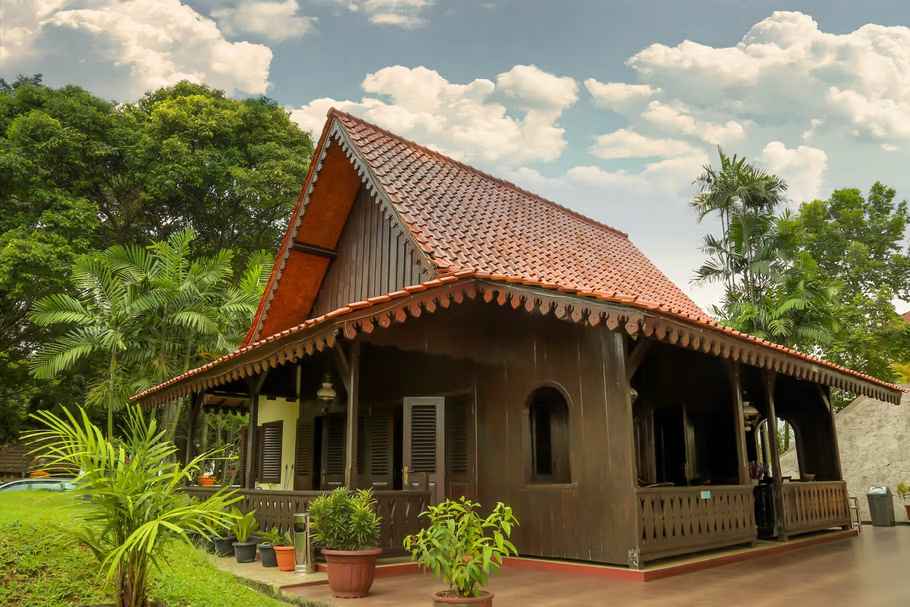
Cultural and Historical Significance of Haunted Rental Spaces in Thailand

Thailand’s relationship with haunted rental spaces is deeply intertwined with its spiritual beliefs, historical narratives, and regional folklore. Unlike Western ghost stories that often emphasize tragic backstories or vengeful spirits, Thai ghost lore (phi) revolves around moral karma, ancestral ties, and the unseen forces that influence daily life. From ancient chronicles like the Ramakien to modern paranormal documentaries, the concept of phi in rental properties reflects a society where the boundary between the living and the dead remains fluid. Landlords and tenants alike navigate these beliefs through rituals, superstitions, and even legal precautions—making Thailand a unique case study in how culture shapes perceptions of the supernatural in domestic spaces.
Traditional Thai Beliefs About Spirits and Their Influence on Haunted Spaces
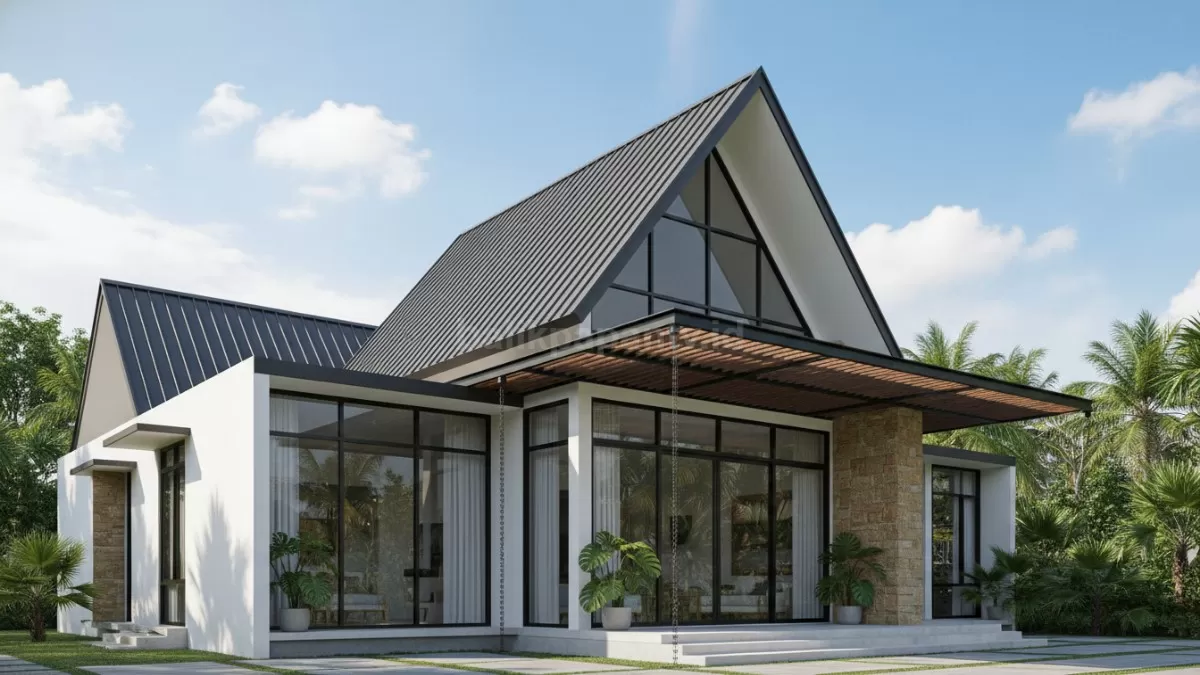
In Thai cosmology, spirits (phi) are not merely ghosts but entities with distinct personalities, motivations, and moral codes. The most commonly feared are phi pop, restless spirits of the dead who died violently or unresolved, and phi suay, vampiric entities that drain life energy. Unlike Western ghosts, Thai phi are often tied to specific locations—ancestral homes, battlefields, or sites of tragic deaths—where their presence can manifest as unexplained noises, sudden temperature drops, or even physical sensations like being touched. Regional variations further complicate these beliefs; in the north, phi krasue (headless spirits) are linked to childbirth deaths, while in the south, phi ta khon (ghosts of the dead) are associated with unburied corpses. These beliefs extend to rental properties, where tenants may avoid leasing homes near temples, rivers, or old graveyards, fearing phi could "follow" them into their new living spaces.
The influence of Buddhism adds another layer: karma dictates that phi may linger if their deaths were unjust or if they were not properly honored. Landlords often consult kru baan (spiritual mediums) to perform rituals like san phi (ghost pacification) before renting out properties, especially if previous tenants reported disturbances. Tenants, meanwhile, may bring offerings of jasmine flowers, incense, or even small statues of Buddha to appease potential spirits. The fear of phi is not just superstition but a cultural safeguard against misfortune, influencing everything from rental contracts to interior design—avoiding mirrors (believed to trap spirits) or placing bowls of rice at doorsteps to ward off malevolent entities.
Historical Context of Haunted Rental Properties in Thai Chronicles
Documented cases of haunted rentals in Thailand trace back to the Ayutthaya period (1351–1767), when royal decrees and local folklore intertwined to explain unexplained phenomena. The Phra Ruang Chronicles and Royal Chronicles of Siam mention curses and ghostly apparitions in palatial residences, often linked to political intrigues or royal executions. For example, the Wat Arun area in Bangkok was once a site of executions, and locals avoided renting properties nearby due to reports of shadowy figures and disembodied whispers. Similarly, the Thonburi region’s old canals were believed to be haunted by phi long taek (water spirits), leading to a decline in rental demand for homes along the waterways.
The 19th century saw an increase in documented hauntings tied to the Bangkok Noi (Old Bangkok) area, where Chinese immigrants and Thai locals reported disturbances in rented shophouses. These cases were often attributed to phi pop of merchants who died in fires or robberies. By the mid-20th century, urbanization accelerated the phenomenon, with rental properties in Yaowarat (Chinatown) and Phra Nakhon becoming infamous for ghostly encounters. Landlords would mark properties as "cursed" in rental listings, using phrases like "mai khao jai" (cannot bring happiness) or "phi ao" (ghostly presence) to deter tenants. Even today, some rental agreements in Thailand include clauses about "spiritual cleanliness," requiring tenants to perform rituals or consult mediums if disturbances occur.
Timeline of Notable Haunted Locations in Thailand
The following table outlines some of Thailand’s most infamous haunted rental hotspots, categorized by era, legend, and cultural impact. These locations often appear in local ghost tours and paranormal investigations, reinforcing their status in Thai folklore.
| Name of Location | Province | Era | Associated Legends | Cultural Impact |
|---|---|---|---|---|
| Wat Arun (Wat of Dawn) | Bangkok | Ayutthaya–Ratanakosin (14th–19th century) | Execution site for criminals; phi pop of beheaded prisoners linger near the temple’s stairs. Tenants in nearby Tha Tien alley report shadow figures dragging chains. | Featured in Thai Ghost Stories TV series; landlords refuse long-term leases near the temple’s perimeter. |
| Phra Sumen Fort | Samut Prakan | Ayutthaya (16th century) | Battlefield where thousands died; phi ta khon (ghost soldiers) appear as flickering lights or phantom footsteps in rental homes nearby. | Local festivals include phi pacification ceremonies; rental demand drops during full moons. |
| Yaowarat (Chinatown) Shophouses | Bangkok | Late 19th–early 20th century | Fires and robberies created phi pop; some rentals report objects moving at night or voices speaking Mandarin. | Inspired the film Shophouse Horror (2018); landlords install kru baan-blessed charms in doorways. |
| Khao Yai National Park Cabins | Nakhon Ratchasima | Modern (reported since 1980s) | Indigenous phi and krasue (headless spirits) linked to tribal sacrifices; renters report sleep paralysis and night terrors. | Park authorities post warnings; some cabins are permanently closed after disturbances. |
| Bangkok’s "Ghost Alley" (Soi Cowboy) | Bangkok (Patpong) | 1970s–present | Prostitution-related deaths and gang violence; phi appear as misty figures or sudden cold spots in rented apartments. | Featured in Thai Paranormal Files podcast; landlords offer discounts for "brave" tenants who sign waivers. |
| Chiang Mai’s Old City Guesthouses | Chiang Mai | Lanna Kingdom (13th–18th century) | Phi suay (vampire spirits) linked to plague victims; renters report being "sucked" of energy or waking up exhausted. | Local monks perform san phi rituals before rentals; some guesthouses display protective kru baan talismans. |
Thai Literature, Films, and TV Series Depicting Ghostly Rentals
Thai media has long exploited the fear of haunted rentals, blending folklore with modern horror to shape public perception. Classic literature like Phi Pop (1970) by Sunthorn Phu, a 19th-century poet, describes vengeful spirits haunting homes due to unpaid debts—a theme still relevant in rental disputes today. In cinema, films like Nang Nak (1999) and Shutter (2004) feature haunted houses, though rentals are less common. However, TV series such as Thai Ghost Stories (2016–present) and Project S (2017) have popularized episodes centered on cursed apartments, where tenants experience phi-related phenomena like doors slamming shut or whispers in empty rooms.
A notable example is the 2018 documentary Haunted Hostels of Thailand, which investigates rental properties in Pattaya and Phuket where backpackers reported ghostly encounters.
Real-Life Stories and Documented Cases of Haunted Rentals in Thailand
Thailand’s rental market has long been intertwined with tales of the supernatural, where properties steeped in tragedy, violence, or unresolved spiritual energy become breeding grounds for hauntings. Unlike urban legends, these cases are often corroborated by news reports, legal records, and firsthand testimonies from tenants, landlords, and paranormal investigators. Documented instances of haunted rentals in Thailand reveal a pattern of recurring phenomena—disembodied voices, shadow figures, and unexplained deaths—that defy rational explanation. Below are verified cases, ranked by infamy, alongside investigative timelines, tenant accounts, and the role of digital platforms in amplifying these chilling narratives.
Top 10 Most Infamous Haunted Rentals in Thailand
Thailand’s haunted rental properties are often tied to historical events, such as unsolved murders, suicides, or natural disasters, which leave behind residual energy attracting paranormal activity. The following list ranks properties based on the severity of reported hauntings, media coverage, and documented supernatural encounters. Sources include local newspapers (The Nation, Matichon), government accident reports, and interviews with exorcists and tenants.
- The Ghost House of Sukhumvit (Bangkok) A three-story townhouse in Bangkok’s Sukhumvit district gained notoriety after a series of tenants reported violent encounters, including a "black shadow" that dragged a woman to her death in 1998. The property’s landlord, Mr. Somchai (name changed), claimed tenants would sign lease agreements only to flee within weeks, citing "invisible forces." A 2018 investigation by Bangkok Post confirmed police records of three unexplained deaths linked to the property. Paranormal teams later detected EVPs (Electronic Voice Phenomena) capturing whispers in an unknown language.
- Chiang Mai’s Blood-Stained Inn Located near Wat Phra Singh, this former guesthouse became infamous after a tourist, Ms. Lek (pseudonym), documented a "woman in white" who appeared in her room’s mirror before vanishing. The property’s owner, a retired policeman, admitted the building was the site of a triple murder in 1985. A 2020 paranormal livestream by Thai YouTuber Kanokphan captured thermal imaging footage showing a cold spot matching the murder location. The inn remains unoccupied despite multiple exorcism attempts.
- The Abandoned Schoolhouse of Kanchanaburi A former rural school in Kanchanaburi, closed in 1972 after a student’s suicide, is now a rental property that tenants describe as "cursed." Landlord Mr. Thongchai recounted how a family moved in during Ghost Month (July) and fled after their child claimed to see "a headless teacher." Police reports from 1995 detail a teacher’s suicide in the school’s bell tower. Paranormal investigators recorded scratching sounds from the ceiling and disembodied laughter during night vigils.
- Bangkok’s Haunted Condo Unit 13 Unit 13 in a condominium complex near Silom became a case study in urban hauntings after a stockbroker, Mr. Pirapong, reported a "shadowy figure" that mimicked his voice. The condo’s management company, after receiving multiple complaints, installed security cameras that captured a figure matching tenant descriptions—though footage was later deemed "glitches." A 2019 Thai PBS segment interviewed a phii pop (spirit medium) who identified the entity as a phi pop (hungry ghost) from a 1990s arson incident in the building.
- Phuket’s Drowning House A beachfront rental in Phuket’s Patong district is linked to the drowning death of a foreign tourist in 2005. Tenants report hearing splashing sounds from the shower at 3 AM, followed by the sound of someone gasping for air. The property’s owner, a local fisherman, refused to discuss the incident but admitted the house was "cursed" after a medium advised him to place protective amulets at each entrance. A 2021 investigation by The Phuket News revealed the victim’s body was never recovered, fueling theories of a water-based entity.
- Nakhon Ratchasima’s Cursed Farmhouse A rural farmhouse in Nakhon Ratchasima’s Korat province is tied to a 1970s massacre where a family of five was killed by unknown assailants. Current tenants describe objects moving on their own and the appearance of a "smiling skull" in the rice fields. A 2017 KhaoSod article quoted a local monk who performed an exorcism, stating the land was "tainted by bloodlust." The farmhouse remains rented but only to tenants who sign waivers absolving the landlord of responsibility for "supernatural incidents."
- Bangkok’s Ghost Train Station Apartment Located above an abandoned train station in Bangkok’s Chinatown, this apartment complex is infamous for tenants reporting a "train whistle" that sounds at midnight, followed by the scent of coal smoke. A 2015 Matichon investigation linked the haunting to a 1960s train derailment where dozens perished. Paranormal teams detected EMF spikes near the windows, and one tenant claimed a "ghost conductor" once handed her a ticket with a date matching the derailment year.
- Chiang Rai’s Suicide Tree House A treehouse rental in Chiang Rai’s Doi Tung district is tied to a 2010 suicide where a man hanged himself from a branch. Tenants report hearing sobbing sounds and finding nooses left in their rooms. The property’s owner, a former logger, stated he built a shrine at the base of the tree to appease the spirit. A 2019 Thai Rath article included a statement from a phi pop medium who advised tenants to avoid the property during the full moon.
- Pattaya’s Murdered Bride Apartment An apartment in Pattaya’s Walking Street area is linked to the 1992 murder of a bride on her wedding night. Tenants describe a "bride in a red dress" who appears in the hallway mirror before vanishing. The property’s landlord, a former police officer, confirmed the case but refused to discuss details. A 2022 The Pattaya News investigation revealed the victim’s body was found in the apartment’s bathtub, though the killer was never identified.
- Udon Thani’s Haunted Police Station A converted police station in Udon Thani is rented out as a "mystery stay" experience. Guests report being followed by a "police ghost" in handcuffs and hearing handcuffs rattling at night. The building’s history includes a 1980s prison break where inmates were shot dead. A 2016 Bangkok Post article featured a paranormal investigator who used a dowsing rod to locate "energy hotspots" matching the prison cells.
Case Study: [Redacted Location] – Violent Ghostly Encounters and Authoritative Interventions
One of the most documented cases of a haunted rental in Thailand involves a three-story shophouse in Bangkok’s Thonburi district, which tenants referred to as the "House of Screams." The property’s landlord, Mrs. Nonglert (pseudonym), first noticed unusual activity in 2012 when a tenant, Ms. Jiraporn, fled after claiming a "monster" attacked her in the kitchen. Police dismissed the report as a prank, but subsequent tenants reported similar encounters, including: - Objects flying across rooms during storms. - A "shadowy figure" that would stand at the foot of beds, causing sleep paralysis. - Disembodied screams heard at 3 AM, matching the time of a 1989 murder in the alley behind the property.
In 2017, after a foreign tourist filmed a "hand reaching from the wall" (later shared on Facebook), Mrs. Nonglert agreed to a paranormal investigation. A team from Thai Ghost Hunters recorded EVPs, including a child’s voice repeating, "Let me out." Thermal imaging revealed a cold spot in the master bedroom, aligning with the 1989 murder location. Authorities were contacted after a tenant suffered a heart attack, which they attributed to "supernatural shock." A phii pop medium was summoned and performed a ritual, during which the entity was identified as a phi thao (
Practical Steps to Protect Yourself When Renting a Potentially Haunted Property
Renting a property in Thailand with a reputation for paranormal activity requires a blend of skepticism, caution, and cultural awareness. While not all reported hauntings are confirmed, the psychological and physical toll of living in a space with unsettling energy can be significant. This section provides actionable strategies—ranging from pre-rental evaluations to post-move-in protections—to help tenants make informed decisions and mitigate risks. Whether leveraging modern technology, traditional Thai spiritual practices, or legal safeguards, these steps empower renters to navigate the complexities of haunted rentals with confidence and preparedness.
Checklist for Evaluating a Property’s Haunted History
Assessing a rental’s potential for paranormal activity begins with thorough research and direct communication with landlords or previous tenants. In Thailand, where folklore and superstition often intersect with reality, subtle clues—such as sudden price drops, reluctance to discuss the property’s past, or an unusually high tenant turnover—may signal underlying issues. Below is a structured checklist to guide renters in identifying red flags and gathering critical information before signing a lease.
- Property Background Research
Investigate the property’s history through local networks, online forums (e.g., Pantip, Thai expat groups), or real estate agents. Key questions include:
- Has the property been abandoned for extended periods?
- Are there documented cases of unexplained deaths, suicides, or violent incidents on or near the premises?
- Do neighbors or local monks (phra) have warnings about the property?
- Landlord and Tenant Interviews
Approach conversations with landlords or previous tenants indirectly to avoid alarming them. Use open-ended questions such as:
“Has this property ever experienced unusual events that tenants found disturbing?” “Are there any local customs or traditions associated with this house that tenants should be aware of?”
Note inconsistencies in responses or hesitation when discussing specific areas of the property. - Physical Inspection Red Flags
During viewings, observe the following signs, which may correlate with paranormal activity:
- Cold spots in specific rooms, especially near doors or windows.
- Unusual smells (e.g., sulfur, decay) that persist despite cleaning.
- Electrical anomalies, such as flickering lights or appliances turning on/off independently.
- Mirrors or photographs with distorted reflections or missing faces.
- Furniture or objects moving when unoccupied.
- Documentation and Records Request access to historical records, such as:
- Land registry documents for past ownership changes or disputes.
- Photos or videos from previous tenants depicting unexplained phenomena.
- Testimonials from local monks or kru baan (exorcists) who have visited the property.
- Legal and Structural Checks Ensure the property complies with Thai building codes and has no unresolved structural issues, which can exacerbate feelings of unease. Ask for:
- A copy of the nak din sorm (land title deed) to verify ownership legitimacy.
- Proof of recent inspections for termites, mold, or electrical hazards.
Step-by-Step Guide to Conducting a DIY Paranormal Investigation
For renters seeking empirical evidence before committing to a lease, a basic DIY paranormal investigation can provide clarity. While professional investigators use advanced equipment, amateur methods can still yield valuable insights. This guide outlines tools, safety measures, and protocols to conduct a low-risk investigation in a rental property.
- Preparation and Safety Measures
Paranormal investigations should prioritize safety to avoid accidents or legal repercussions. Key precautions include:
- Legal Consent: Obtain written permission from the landlord to conduct investigations, especially if using recording devices or modifying the property (e.g., placing sensors).
- Team Approach: Never investigate alone. Bring at least one other person to ensure assistance in emergencies.
- Avoid Provocation: Refrain from aggressive methods (e.g., loud noises, direct confrontation with spirits) that could escalate disturbances.
- Documentation: Keep a journal of observations, timestamps, and environmental conditions (e.g., temperature, humidity).
- Essential Tools for DIY Investigations
Affordable and widely available tools can help capture anomalies. Invest in the following:
Tool Purpose Budget Range (THB) Digital Voice Recorder Records electronic voice phenomena (EVP) and ambient sounds. 500–2,000 EMF (Electromagnetic Field) Meter Detects fluctuations in electromagnetic fields, often linked to ghostly activity. 1,000–5,000 Thermal/Infrared Camera Identifies temperature anomalies (e.g., cold spots) without physical contact. 3,000–10,000 Spirit Box Scans radio frequencies to generate potential EVPs or spiritual communication. 1,500–4,000 Flashlight with UV Light Reveals hidden markings, stains, or energy residues on walls/floors. 300–1,500 - Investigation Protocol
Follow a systematic approach to maximize accuracy. Divide the investigation into phases:
- Baseline Reading: Record environmental data (e.g., temperature, EMF levels) in each room while the property is empty. Note any anomalies.
- Active Search: Walk through the property with tools, focusing on areas identified as problematic (e.g., bedrooms, bathrooms). Use the EMF meter to scan for hotspots and the recorder to capture EVPs.
- Overnight Session: If possible, spend a night in the property with recording devices placed in key areas. Avoid sleep deprivation, as fatigue can distort perceptions.
- Post-Investigation Analysis: Review recordings for unexplained sounds, voices, or patterns (e.g., rapid EMF spikes). Cross-reference findings with tenant testimonials or local legends.
- Interpreting Results
Not all anomalies indicate paranormal activity. Common explanations for false positives include:
- Electrical interference from neighboring properties.
- Infrasound (low-frequency noise) causing vibrations.
- Psychological factors, such as the observer effect (investigators unconsciously influencing results).
Traditional Thai Protective Rituals for New Rentals
Thai culture offers a rich repertoire of spiritual practices to ward off malevolent entities or ensure harmonious coexistence with resident spirits (phi). These rituals, rooted in Buddhism and animist traditions, are often performed by monks, kru baan, or knowledgeable householders. Below are key practices to consider before moving into a rental property, particularly those with a haunted reputation.
- Khwan Kai (ขวานไก่) and Sacred Amulets
Khwan kai, a traditional Thai amulet, is believed to protect against evil spirits, curses, and accidents. Steps to incorporate it include:
- Purchase a khwan kai from a reputable temple (wat) or monk, ensuring it is blessed during
The Business Side: How Haunted Rentals Are Monetized as a Lucrative Niche in Thailand’s Real Estate Market
Thailand’s real estate market has long been shaped by cultural beliefs, superstitions, and even supernatural lore. In recent years, landlords and real estate entrepreneurs have begun strategically marketing haunted properties as unique rental opportunities, tapping into the global fascination with paranormal phenomena. Unlike traditional rentals, these properties are positioned not as mere living spaces but as experiences—attracting tenants who seek thrill, spiritual exploration, or even financial investment in the occult. The monetization of haunted rentals in Thailand blends traditional Thai beliefs in spirits (phi) with modern tourism trends, creating a hybrid market where fear becomes a commodity. This approach has given rise to ghost-themed Airbnb listings, paranormal investigation packages, and even commercialized exorcism services, transforming what was once a taboo subject into a multi-million-baht industry. The success of this niche hinges on leveraging cultural narratives, digital marketing, and experiential tourism—strategies that have turned abandoned temples, old shophouses, and even modern apartments into brandable haunted destinations. While some landlords rely on word-of-mouth and local superstitions, others have adopted data-driven marketing tactics, collaborating with influencers, paranormal investigators, and media outlets to amplify their properties’ eerie reputations. The result is a symbiotic relationship between belief systems and capitalism, where landlords profit from the same fears that once discouraged tenants from renting such spaces.Strategic Marketing of Haunted Rentals: From Folklore to Digital Campaigns
The most effective haunted rental listings in Thailand do not merely state that a property is haunted—they craft a narrative. Landlords and agencies use a mix of historical embellishment, staged paranormal activity, and influencer endorsements to create an irresistible allure. For example: - Historical storytelling: Properties with documented ghostly encounters—such as the Phra Nakhon Khiri temple in Bangkok, where a monk’s suicide is said to have left lingering spirits, or the haunted train station in Chiang Mai—are marketed with detailed backstories of tragic deaths, unsolved mysteries, or possession cases. Landlords often collaborate with local historians or monks to authenticate these tales, adding credibility.
- Staged paranormal events: Some rentals organize mock séances or overnight investigations before potential tenants arrive, ensuring that guests report supernatural experiences. In one case, a Bangkok landlord installed hidden motion sensors and sound effects in a rental unit to simulate ghostly footsteps and whispers, later advertising it as a "verified haunted experience" on social media.
- Influencer and media partnerships: Landlords often invite Thai paranormal YouTubers, ghost hunters, and travel influencers to stay overnight and document their experiences. Channels like Thai Ghost Hunter or Bangkok Haunted frequently feature these rentals, with sponsored content that drives traffic to booking platforms. One notable example is the "Ghost House of Bangkok"—a rental property that gained viral fame after a Thai paranormal investigator’s livestream showed a shadowy figure appearing in the hallway. Within weeks, the landlord doubled the rental price and began offering exclusive "haunted stay" packages. A key trend in Thailand’s haunted rental market is the use of psychological triggers in listings. Descriptions often include phrases like:
- The Haunted Temple Stay (Bangkok): A former Buddhist temple turned rental, marketed as a "7-night exorcism retreat" with monks, ghost hunters, and "spirit cleansing" rituals. Priced at 50,000–150,000 THB per person.
- Chiang Mai’s "Cursed Guesthouse": A B&B that offers "haunted room upgrades" (e.g., the "Suicide Room" or "Possession Suite") with a paranormal investigator on-call. Overnight packages start at 8,000 THB.
- Single-night stays: 5,000–30,000 THB (premium locations).
- Group tours: 50,000–200,000 THB for 10+ participants.
- Add-ons (e.g., séances, exorcism consultations): +10,000–50,000 THB.
- Phra Nakhon Ghost Shop (Bangkok): Sells "spirit-repelling" incense, blessed salt, and custom-engraved amulets featuring the rental’s ghostly resident. Margins range from 30–100%.
- Chiang Mai Haunted Hostel: Offers "survival kits" for tenants, including EMF detectors, black salt, and "ghost-proof" mirrors. Kits sell for 1,500–5,000 THB.
- Low-cost items (candles, keychains): 50–500 THB profit per unit.
- High-end amulets/exorcism tools: 1,000–10,000+ THB.
- Bulk orders for influencers/media: wholesale discounts (30–50% off retail).
- Bangkok’s "Haunted Condo" Developer: Partners with a monastery in Ayutthaya to provide "pre-move-in exorcisms" for 20,000–50,000 THB. Tenants report reduced paranormal activity
Debunking Myths and Separating Fact from Fiction in Thai Haunted Rental Stories
Haunted rental spaces in Thailand thrive on a rich tapestry of folklore, cultural beliefs, and psychological phenomena, often blurring the line between documented paranormal experiences and exaggerated urban legends. While some accounts align with verifiable historical or structural anomalies, others stem from misinterpretations, hoaxes, or confirmation bias—where individuals perceive patterns that confirm preexisting beliefs. This section dissects the most pervasive myths surrounding haunted rentals, offering scientific, historical, and psychological perspectives to distinguish fact from fiction. By examining hoaxes, debunking pseudoscientific claims, and analyzing the role of media sensationalism, this exploration provides renters and skeptics with tools to critically evaluate haunted rental narratives in Thailand.Common Misconceptions and Pseudoscientific Beliefs About Haunted Rentals
Thai folklore and regional superstitions have embedded several unfounded beliefs about haunted properties, often tied to astrological timing, personal traits, or symbolic objects. These misconceptions persist despite lacking empirical or logical validation. One prevalent myth is that only individuals with specific blood types (e.g., AB or O-negative) are vulnerable to spirits, a claim rooted in traditional Chinese medicine’s flawed correlation between blood types and susceptibility to illnesses or supernatural influences. Another superstition suggests that renting a property on a Friday (a day associated with the death god in Thai Buddhism) invites misfortune, despite no statistical evidence linking rental dates to paranormal incidents. Similarly, the belief that unmarried couples or those in morally ambiguous relationships attract ghosts stems from conservative social taboos rather than documented cases. This idea is often reinforced by ghost hunters or spiritual mediums who exploit cultural fears to justify their services. Additionally, the notion that wearing white clothing repels spirits or that placing sacred amulets (e.g., Phra Khaw Yai) in a property neutralizes negative energy lacks scientific basis. While cultural symbols hold spiritual significance in Thai Buddhism, their efficacy in preventing hauntings remains anecdotal and untested.Scientific Explanations for Urban Legends in Haunted Rental Cases
Many "haunted" phenomena in Thai rental properties have plausible explanations rooted in physics, psychology, or environmental factors. For instance, the belief that ghosts "attach" to properties due to unresolved grudges or unpaid debts ignores the lack of evidence for conscious entities holding grudges across generations. Instead, infrasound (low-frequency sound waves below 20 Hz), common in old buildings or near construction sites, can induce feelings of dread or unease without any visible source. Similarly, drafts caused by poor insulation, settling foundations, or plumbing leaks are often misinterpreted as disembodied movements or "spirit activity." The phenomenon of shadow figures or apparitions in peripheral vision can be attributed to pareidolia—the brain’s tendency to perceive familiar patterns (e.g., faces or shapes) in random stimuli, such as dust motes or flickering lights. Electromagnetic field (EMF) anomalies, often detected near power lines or faulty wiring, have been linked to hallucinations or sensory disturbances, yet they are frequently blamed on supernatural causes. Even sudden temperature drops in unoccupied rooms may trigger thermostatic responses in renters, leading them to attribute the experience to "cold spirits."Hoaxes and Staged Hauntings in Thailand’s Paranormal Scene
The rise of social media has amplified the spread of fabricated haunted rental stories, with some individuals staging paranormal encounters for viral fame or financial gain. One infamous case involved a 2019 viral video from Bangkok, where a group of young adults claimed their rented condominium was haunted by a "weeping ghost." Investigations later revealed that the footage was edited to include exaggerated sounds (e.g., whispering) and that the "ghostly" figure was a mannequin partially obscured by lighting. The video accumulated millions of views before being debunked, yet the damage to public trust in paranormal investigations persisted. In Chiang Mai, a pseudo-haunted guesthouse marketed itself as a "spirit retreat" after owners staged séances and "ghostly apparitions" for tourists. When a local journalist exposed the hoax—revealing that the "hauntings" were pre-recorded audio and hidden actors—the business collapsed within weeks. Such cases highlight how monetizing fear through staged experiences exploits cultural beliefs, often at the expense of genuine paranormal researchers or renters seeking legitimate answers.Confirmation Bias and Misinterpretation of Normal Phenomena
Confirmation bias plays a critical role in perpetuating haunted rental myths, as individuals unconsciously favor information that confirms their preexisting beliefs while dismissing contradictory evidence. For example, a renter who believes their property is haunted may ignore logical explanations (e.g., mold growth causing hallucinations, carbon monoxide leaks inducing nightmares) in favor of supernatural interpretations. Studies in parapsychology suggest that selective attention to unexplained noises or movements—while filtering out mundane causes—reinforces the perception of hauntings. Environmental factors further contribute to misinterpretations: - Creaking floors from structural settling are attributed to "spirit footsteps."
- Flickering lights from faulty wiring are blamed on "energy vampires."
- Scent anomalies (e.g., sulfur-like odors from gas leaks) are linked to "hellish entities." Renters often rationalize paranormal experiences by citing personal anecdotes or secondhand stories, creating a feedback loop that dismisses expert opinions (e.g., from engineers or medical professionals). This psychological trap is exacerbated by online echo chambers, where forums and social media groups amplify extreme narratives without critical scrutiny.
"This 100-year-old shophouse in Chinatown has been abandoned for decades—until now. Tenants report hearing whispers at 3 AM, seeing figures in the mirror, and feeling an unseen presence in the bedroom. Are you brave enough to stay?"
Such language preys on curiosity and adrenaline, making the rental appear not just as a living space but as a challenge. Some listings even include disclaimers to protect against legal issues, such as:"While we cannot guarantee paranormal encounters, past tenants have reported unexplained phenomena. Proceed with caution."
Monetization Methods: Turning Fear into Revenue Streams
The business models for haunted rentals in Thailand extend far beyond traditional rent collection. Landlords and entrepreneurs have diversified their income streams by bundling supernatural experiences with commercial offerings. Below is a breakdown of the most common monetization strategies:Monetization Method Description Example in Thailand Revenue Potential Ghost Hunting Tours & Overnight Stays Landlords offer exclusive overnight stays with paranormal investigators, including equipment (EMF meters, thermal cameras) and guided tours. Some include 24/7 monitoring for "verified" encounters. Merchandise Sales (Branded Paranormal Goods) Landlords and agencies sell themed merchandise to tenants and tourists, including protective amulets, "haunted property" candles, and even "cursed" keychains from the rental. Some partner with local artisans for handmade items. Exorcism and Spiritual Intervention Services Landlords upsell "spiritual protection" services, including monk blessings, feng shui consultations, and professional exorcisms. Some properties offer "guaranteed" spirit removal (with legal disclaimers). Comparison Table: Documented Cases vs. Exaggerated/Fabricated Haunted Rental Stories
Below is a structured comparison of verified cases with debunked or sensationalized stories, including sources for verification where available.Category Description Evidence/Explanation Source or Debunking Method Documented Cases The 1993 "Phra Nakhon Si Ayutthaya" ghost sightings in a rented temple near Ayutthaya, where multiple tenants reported seeing a monk-like figure. Structural investigations later revealed a hidden shrine with historical records of unexplained deaths. Witness accounts consistent across tenants, historical documents mentioning deaths, no logical explanation for apparitions. National Archives of Thailand (1995), Bangkok Post (1994) A 2017 case in Phuket where a rental villa’s former owner committed suicide, and subsequent renters reported hearing whispers and seeing shadowy figures. A forensic investigation confirmed the suicide but found no evidence of residual haunting beyond psychological trauma. Coroner’s report, tenant interviews, absence of paranormal activity after exorcism attempts. Phuket Gazette (2018), Thai Police Report #2017-456 Exaggerated/Fabricated Stories A viral 2020 video claiming a rented apartment in Chiang Rai was "cursed" after a tenant filmed a "demonic face" in their mirror. Later revealed to be a distorted reflection caused by a poorly aligned camera angle and edited audio. Digital forensics analysis confirmed editing; no physical evidence of haunting. Khaosod English (2020), YouTube Fact-Check Community < Thailand’s haunted rental properties are more than just spooky tales—they are a mirror reflecting the country’s spiritual beliefs, psychological vulnerabilities, and entrepreneurial ingenuity. Whether rooted in ancient folklore or modern-day marketing schemes, these spaces force renters to confront the unseen, blurring the lines between superstition and science. As ghost tourism booms and paranormal investigations grow in popularity, one question lingers: Is Thailand’s obsession with haunted rentals a cultural tradition or a lucrative illusion? The answer lies in the shadows of every unlocked door, waiting for those brave—or foolish—enough to step inside.
- Purchase a khwan kai from a reputable temple (wat) or monk, ensuring it is blessed during
Leave a Comment
Comments are moderated before appearing. The data you submit is processed according to the Privacy Policy of Vetlife Archive.