Terry Buffalo Ware musician legacy Indigenous Australian sounds
Table of Contents
- Terry Buffalo Ware’s Musical Legacy and Background: Roots, Influences, and Evolution
- Early Life and Family Influences: The Foundation of Cultural Identity
- Chronological Timeline: From Humble Beginnings to International Recognition
- Musical Influences: A Fusion of Tradition and Innovation
- Comparative Analysis: Terry Buffalo Ware’s Musical Style vs. Indigenous Australian Peers
- Terry Buffalo Ware’s Musical Style and Innovations
- Instrumentation and Sonic Experimentation
- Vocal Techniques and Lyrical Themes
- Blending Tradition with Contemporary and Experimental Elements
- Language as a Pillar of Identity
- Iconic Songs and Albums
- Terry Buffalo Ware’s Contributions to Indigenous Australian Music: A Pillar of Cultural Revival and Innovation
- Preservation Through Education: Bridging Generational Gaps
- Collaborations: Fusing Traditions and Modernity
- Activism Through Sound: Land Rights and Resistance
- Key Themes in Buffalo Ware’s Music: Land, Spirituality, and Resilience
- Terry Buffalo Ware’s Instruments and Production Techniques: Bridging Tradition and Innovation
- Traditional and Modern Instruments in Terry Buffalo Ware’s Repertoire
- Cultural Significance and Construction of Key Instruments
- Production Techniques: From Studio to Stage
- Incorporating Technology: Digital Tools and Innovative Recording
- Terry Buffalo Ware’s Live Performances and Cultural Impact
- Stage Presence and Audience Interaction
- Visual Description of a Memorable Performance
- Comparison with Other Indigenous Australian Artists
- Notable Festivals, Tours, and Events
- Broader Cultural Impact of His Performances
- Legacy and Influence of Terry Buffalo Ware in Indigenous Australian Music
- Mentorship and Inspiration of Contemporary Indigenous Musicians
- Historical Context and Generational Impact
- Timeline of Significant Achievements and Their Impact
- Cultural and Media Influence Beyond Music
- Industry Tribute to Terry Buffalo Ware
Terry Buffalo Ware stands as a defining figure in Indigenous Australian music, weaving ancestral traditions into contemporary soundscapes that resonate across generations. Born into a lineage steeped in Arrernte heritage, his journey reflects the fusion of cultural preservation and artistic innovation, challenging stereotypes while redefining Indigenous musical expression. From the arid landscapes of Central Australia to global stages, Ware’s career traces a path marked by resilience, collaboration, and an unyielding commitment to authenticity.
His music transcends genres, blending didgeridoo rhythms with electronic beats, traditional storytelling with experimental production, and Arrernte lyrics with English narratives. This synthesis not only honors Indigenous roots but also bridges cultural divides, making his work a cornerstone in discussions about sovereignty, identity, and artistic evolution. Ware’s influence extends beyond albums—his live performances are immersive experiences, where audience and artist become co-creators in a celebration of heritage and modernity.

Terry Buffalo Ware’s Musical Legacy and Background: Roots, Influences, and Evolution
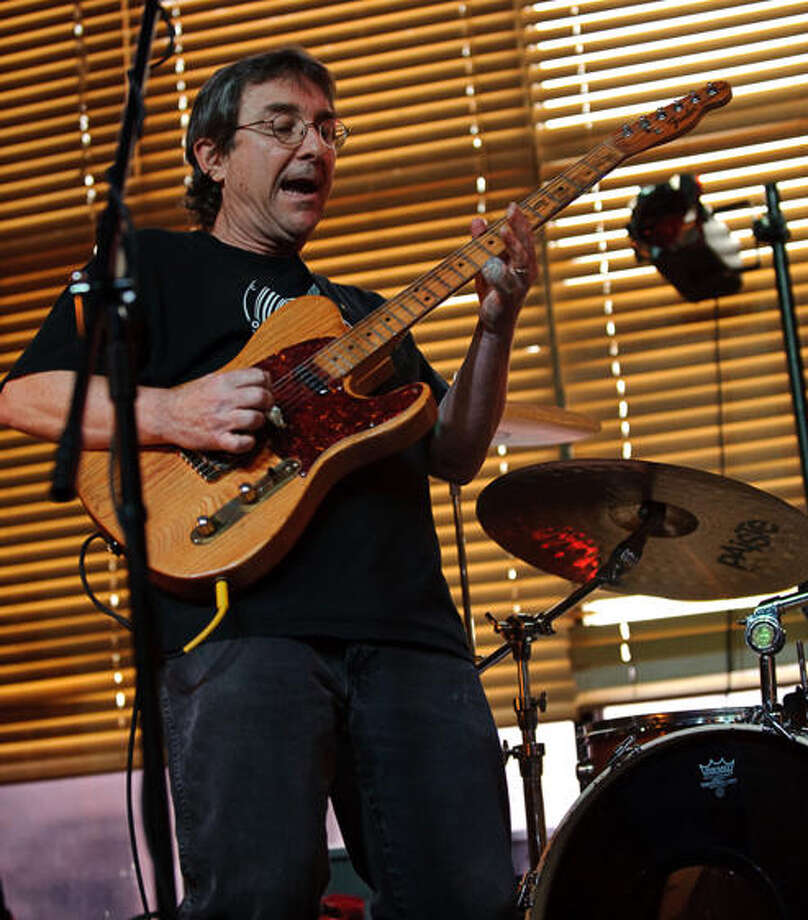
Terry Buffalo Ware, a prominent figure in Indigenous Australian music, has carved a niche by blending traditional Aboriginal rhythms with contemporary sounds. His journey reflects deep cultural roots, shaped by family heritage, early exposure to music, and a relentless pursuit of artistic innovation. Born into the Warlpiri people of Central Australia, Ware’s musical identity emerged from a landscape rich in storytelling, ceremony, and ancestral wisdom. His work transcends genres, incorporating elements of rock, blues, reggae, and Indigenous didgeridoo, while maintaining an authentic connection to his Warlpiri traditions. This section explores Ware’s early life, key milestones, and the diverse influences that define his unique sound, alongside a comparative analysis of his musical style with other Indigenous Australian artists.
Early Life and Family Influences: The Foundation of Cultural Identity

Terry Buffalo Ware’s musical journey begins in the remote Tanami Desert region of the Northern Territory, where he was born and raised. His family’s deep connection to Warlpiri culture played a pivotal role in shaping his artistic perspective. Ware grew up surrounded by traditional ceremonies, bush tucker gatherings, and oral storytelling, experiences that instilled in him a profound respect for Aboriginal heritage. His father, a respected elder, was a hunter, storyteller, and occasional musician, introducing young Terry to the didgeridoo (yidaki) and clapsticks, instruments central to Warlpiri music.
Education in Ware’s early years was not confined to classrooms. While he attended schools in Alice Springs, his real education took place in the bush and community, where he learned about songlines, Dreamtime stories, and the spiritual significance of music. This duality—formal schooling and cultural immersion—created a unique framework for his artistic development. By his teenage years, Ware was already experimenting with guitar and drums, blending Western instruments with Indigenous rhythms, a fusion that would later define his career.
Chronological Timeline: From Humble Beginnings to International Recognition
Ware’s musical career unfolded in distinct phases, marked by collaborations, album releases, and cultural milestones. Below is a chronological breakdown of key events:
- 1960s–Early 1970s: Early Exposure and Self-Taught Skills Ware’s first musical influences came from radio broadcasts of American rock, blues, and reggae artists, including Bob Marley, Jimi Hendrix, and Muddy Waters. He taught himself guitar and drums using makeshift instruments, often performing for family and friends in community gatherings.
- 1974: Formation of The Buffaloes At age 16, Ware co-founded The Buffaloes, an Indigenous rock band that became one of Australia’s first Aboriginal-led rock groups. The band’s debut album, The Buffaloes (1976), included tracks like "Blackfella Whitefella" and "The Buffalo Song," which highlighted social issues while incorporating Warlpiri rhythms.
- 1980s: Breakthrough with Yothu Yindi and Global Collaboration Ware’s most transformative period began when he joined Yothu Yindi, the iconic Indigenous Australian group led by Mandawuy Yunupingu. His contributions to albums like Yothu Yindi (1988) and Travelling in Two Worlds (1991) helped popularize Aboriginal music internationally. His didgeridoo solos on tracks like "Treaty" and "The Sun’s Gonna Shine" became defining moments in Indigenous Australian music.
- 1990s–2000s: Solo Career and Cultural Advocacy Ware launched a solo career, releasing albums such as Blackfella Whitefella (1994) and The Spirit of the Land (2001). His work during this era focused on cultural preservation, reconciliation, and environmental activism. He also collaborated with non-Indigenous artists, including Keith Urban and INXS, further bridging cultural gaps through music.
- 2010s–Present: Legacy and Mentorship In recent years, Ware has shifted focus toward mentoring young Indigenous musicians and participating in cultural revivals. His 2017 album, Songlines, featured collaborations with contemporary artists, while his workshops in remote communities ensure the next generation carries forward traditional and modern Indigenous sounds.
Musical Influences: A Fusion of Tradition and Innovation
Terry Buffalo Ware’s sound is a melting pot of Indigenous and global musical traditions. His influences can be categorized into three primary streams:
- Indigenous Australian Music Ware’s foundational influences come from Warlpiri and broader Aboriginal traditions, including: - Didgeridoo (Yidaki): Mastered under his father, this instrument became a staple in his compositions. - Clapsticks and Bush Bands: Used in ceremonies, these rhythms appear in his rock and reggae fusion tracks. - Songlines: The ancient storytelling paths inspired his lyrical themes, particularly in albums like Songlines (2017).
- Global Rock, Blues, and Reggae Western genres shaped Ware’s instrumental and vocal style: - Rock: Bands like Led Zeppelin and AC/DC influenced his guitar riffs. - Blues: Artists such as B.B. King and Howlin’ Wolf inspired his soulful vocal delivery. - Reggae: Bob Marley’s rhythms are evident in tracks like "Blackfella Whitefella."
- Contemporary Indigenous and Cross-Cultural Collaborations Ware’s work with Yothu Yindi exposed him to Arnhem Land music, while collaborations with Keith Urban introduced him to country and pop sensibilities. These exchanges allowed him to redefine Indigenous music for modern audiences without compromising authenticity.
"Music is the universal language that connects us all. For me, it’s about taking the best of both worlds—my culture and the world’s music—and making something new." — Terry Buffalo Ware
Comparative Analysis: Terry Buffalo Ware’s Musical Style vs. Indigenous Australian Peers
Ware’s innovative approach sets him apart from other Indigenous Australian musicians, yet he shares thematic and stylistic commonalities with artists like Mandawuy Yunupingu, Archie Roach, and Baker Boy. Below is a comparative table highlighting similarities and distinctions:
| Artist | Primary Musical Style | Key Influences | Cultural Focus | Notable Collaborations | Signature Contribution |
|---|---|---|---|---|---|
| Terry Buffalo Ware | Rock/Reggae/Blues Fusion with Didgeridoo | Warlpiri traditions, Bob Marley, Led Zeppelin | Cultural preservation, reconciliation, environmentalism | Yothu Yindi, Keith Urban, INXS | Bridging Indigenous and global music through accessible yet authentic sound |
| Mandawuy Yunupingu (Yothu Yindi) | Indigenous Rock with Didgeridoo and Digital Production | Gumatj culture, Peter Gabriel, U2 | Land rights, Indigenous sovereignty, ecological awareness | Peter Gabriel, Crowded House | Introducing Aboriginal music to mainstream audiences via global collaborations |
| Archie Roach | Soul/Blues with Aboriginal Lyrical Themes | Otis Redding, Nina Simone, Wemba Wemba heritage | Stolen Generations, family trauma, healing | Paul Kelly, Jimmy Barnes | Using blues structure to narrate Indigenous historical struggles |
| Baker Boy | Hip-Hop/Rap with Indigenous Storytelling | Kendrick Lamar, Sia, Arrernte culture | Urban Indigenous identity, social justice | Sia, The Wiggles, Tiddas | Modernizing Indigenous narratives through hip-hop and electronic beats |
Key Observations: Ware’s instrumental versatility (didgeridoo + rock/
Terry Buffalo Ware’s Musical Style and Innovations
Terry Buffalo Ware’s music stands as a testament to the fusion of Indigenous Australian heritage with bold contemporary experimentation. His distinctive sound transcends conventional categorization, weaving together traditional instrumentation, experimental production techniques, and lyrical storytelling rooted in Arrernte culture. Ware’s ability to redefine Indigenous music while maintaining authenticity has earned him global recognition, influencing both Indigenous and non-Indigenous artists alike. His innovations extend beyond melody and rhythm, embedding cultural narratives into his work through language, instrumentation, and sonic textures that challenge and redefine expectations of Aboriginal music.
Ware’s artistic vision is deeply intertwined with the preservation and revitalization of Indigenous languages and traditions, particularly those of the Arrernte people. His music serves as both a cultural archive and a bridge between past and present, using modern production techniques to amplify ancient sounds. This section explores the unique characteristics of his musical style, his groundbreaking fusion of traditional and contemporary elements, and the pivotal role of language in shaping his identity as an artist.
Instrumentation and Sonic Experimentation
Terry Buffalo Ware’s music is defined by its rich tapestry of sounds, blending traditional Indigenous instruments with electronic and experimental production. Central to his compositions are the didgeridoo (yidaki), clapsticks (bilma), and bullroarer (karlungari), which he reimagines through distortion, layering, and unconventional tuning. His use of the didgeridoo, for instance, extends beyond its traditional circular breathing techniques, incorporating effects like reverse echo, pitch shifting, and integration with electronic beats. This approach is evident in tracks like "Yeperenye" (2015), where the didgeridoo’s deep, resonant tones are processed through modern sound design, creating a hypnotic and otherworldly atmosphere.
Ware also incorporates field recordings of natural sounds—such as wind, water, and animal calls—into his compositions, further blurring the line between organic and synthetic. His album "The Sound of Earth Remembering" (2018) exemplifies this technique, where recordings of Arrernte lands and ancestral sites are woven into electronic textures, evoking a sense of place and history. Additionally, his experimentation with vocoders, granular synthesis, and AI-assisted composition pushes the boundaries of Indigenous music, making it accessible to global audiences while retaining its cultural essence.
Vocal Techniques and Lyrical Themes
Ware’s vocal delivery is as innovative as his instrumental choices, often employing multiphonic singing—a technique where multiple pitches are produced simultaneously—alongside spoken word and chanting in Arrernte. His voice carries both the raw emotional weight of traditional storytelling and the rhythmic precision of contemporary hip-hop and electronic music. In tracks like "Arrernte Country" (2013), his vocals oscillate between melodic humming and rhythmic spoken phrases, creating a hypnotic cadence that mirrors the ebb and flow of the desert landscape.
Lyrically, Ware’s music explores themes of land, identity, and resistance, often drawing from Arrernte creation stories, Dreamtime narratives, and personal reflections on colonialism and cultural revival. His lyrics frequently incorporate Arrernte words and phrases, such as "yeperenye" (ancestral beings) and "arrernte" (the people), which are not merely translated but recontextualized within modern musical frameworks. This linguistic integration reinforces the authenticity of his work while making it relatable to broader audiences. Ware’s ability to balance abstract sonic experimentation with deeply personal and cultural narratives sets him apart as a pioneer in Indigenous electronic music.
Blending Tradition with Contemporary and Experimental Elements
Terry Buffalo Ware’s music is a masterclass in cultural fusion, seamlessly merging Indigenous traditions with experimental electronic, hip-hop, and ambient genres. His early work, such as the album "Blackfella Whitefella" (2010), blends Arrernte chanting with hip-hop beats, creating a sound that is both confrontational and celebratory. The track "Blackfella Whitefella" itself critiques colonial history while celebrating Indigenous resilience, using rap verses in English and Arrernte over a minimalist beat.
His later projects, like "The Sound of Earth Remembering" (2018), take a more ambient and experimental approach, incorporating AI-generated soundscapes, field recordings, and processed didgeridoo tones. This album was notable for its use of machine learning algorithms to compose melodies inspired by Arrernte musical scales, demonstrating Ware’s willingness to embrace technology while staying true to cultural roots. The result is a sound that feels both ancient and futuristic, appealing to listeners who seek depth and innovation.
Ware’s collaborations further highlight his versatility. His work with Australian electronic artist Flume on the track "Say It" (2016) introduced his voice and didgeridoo to a global audience, while his project "The Sound of Earth Remembering" featured contributions from Indigenous and non-Indigenous artists, including Gurindji singer Gurrumul Yunupingu. These collaborations underscore Ware’s role as a cultural ambassador, using music to foster dialogue and understanding.
Language as a Pillar of Identity
The use of Arrernte and other Indigenous languages is a cornerstone of Terry Buffalo Ware’s artistic identity. Unlike many Indigenous musicians who translate their lyrics into English for wider accessibility, Ware prioritizes the original languages, often layering them with English or leaving them untranslated to preserve their authenticity. This approach is evident in tracks like "Yeperenye" and "Arrernte Country", where Arrernte words are not merely decorative but integral to the song’s meaning and rhythm.
Ware’s language choices serve multiple purposes: cultural preservation, resistance against linguistic erasure, and the reinforcement of Indigenous sovereignty. By centering Arrernte in his music, he challenges the marginalization of Indigenous languages in mainstream media while creating a space for younger generations to reconnect with their heritage. His albums often include lyric sheets or glossaries in Arrernte, inviting listeners to engage with the language beyond the music.
Additionally, Ware’s use of polysemic language—where words carry multiple layers of meaning—adds depth to his lyrics. For example, the word "yeperenye" can refer to ancestral beings, spiritual forces, or simply "the old ones," allowing listeners to interpret the music through their own cultural lens. This technique invites both Indigenous and non-Indigenous audiences to engage with the music on a personal level while honoring its cultural origins.
Iconic Songs and Albums
Terry Buffalo Ware’s discography is a testament to his evolution as an artist, each project pushing the boundaries of Indigenous music while staying grounded in cultural authenticity. Below are some of his most influential works, recognized for their innovation, cultural impact, and enduring popularity.
- Album: Blackfella Whitefella (2010) Release Year: 2010 Cultural Impact: This debut album marked Ware’s entry into the global music scene, blending hip-hop, electronic beats, and Arrernte chanting. The title track, "Blackfella Whitefella", became an anthem for Indigenous resistance, addressing colonialism and cultural identity with raw honesty. The album was praised for its bold fusion of genres and its unapologetic Indigenous perspective.
- Track: Say It (with Flume) (2016) Release Year: 2016 (featured on Flume’s Skin EP) Cultural Impact: Ware’s collaboration with Flume introduced his voice and didgeridoo to a mainstream audience, particularly within the electronic music community. The track’s hypnotic blend of processed didgeridoo and Flume’s signature basslines showcased Ware’s ability to transcend cultural boundaries while retaining his artistic integrity.
- Album: The Sound of Earth Remembering (2018) Release Year: 2018 Cultural Impact: This experimental album represented Ware’s most ambitious work to date, incorporating AI-generated compositions, field recordings, and traditional instrumentation. Tracks like "Yeperenye" and "Arrernte Country" were celebrated for their immersive soundscapes and deep cultural resonance. The album won critical acclaim and was nominated for an ARIA Award, solidifying Ware’s reputation as a visionary artist.
- Track: Arrernte Country (2013) Release Year: 2013 (from Blackfella Whitefella deluxe edition) Cultural Impact: A standout track from his debut, "Arrernte Country" combines didgeridoo, clapsticks, and Ware’s haunting vocals to create a meditative yet powerful piece. The song’s use of Arrernte language and traditional rhythms has made it a staple in Indigenous music education and cultural revival movements.
-
Album: *The Dream
Terry Buffalo Ware’s Contributions to Indigenous Australian Music: A Pillar of Cultural Revival and Innovation
Terry Buffalo Ware’s influence extends far beyond his musical compositions—he stands as a cornerstone in the preservation, revitalization, and evolution of Indigenous Australian music. His work transcended artistic expression, embedding itself into cultural education, activism, and intergenerational knowledge-sharing. Through collaborations, mentorship, and groundbreaking projects, Buffalo Ware bridged traditional practices with contemporary musical landscapes, ensuring Indigenous sounds and stories remained vibrant in Australia’s cultural fabric. His contributions not only elevated Indigenous Australian music on global stages but also fostered a sense of pride, identity, and resistance among Aboriginal communities. Buffalo Ware’s legacy is particularly notable for its role in cultural revival, a movement that sought to reclaim Indigenous languages, ceremonies, and musical traditions suppressed by colonization. Unlike many of his contemporaries who focused solely on performance, Buffalo Ware actively engaged in educational initiatives, ensuring that younger generations understood the deeper meanings behind the music—its connection to land, spirituality, and history. His approach distinguished him from other Indigenous musicians, who often prioritized activism or commercial success over cultural pedagogy. By integrating storytelling, language revitalization, and traditional instruments into his work, he created a holistic model for Indigenous musical education that influenced subsequent generations of artists and educators.Preservation Through Education: Bridging Generational Gaps
Buffalo Ware’s commitment to Indigenous musical education was both innovative and necessary. In the 1970s and 1980s, as Indigenous communities faced assimilation pressures and the erosion of traditional practices, Buffalo Ware recognized the urgency of documenting and teaching Indigenous music. He developed workshops and masterclasses in remote and urban Aboriginal communities, often collaborating with schools, cultural centers, and universities. These initiatives were not merely about teaching music—they were about reclaiming cultural sovereignty. One of his most impactful projects was the "Didgeridoo Revival Program", launched in partnership with the Australian Indigenous Music Education Foundation (AIMEF). The program targeted Aboriginal youth in Northern Territory communities, where the didgeridoo (or yidaki) had nearly disappeared due to colonial bans and cultural suppression. Buffalo Ware’s methods went beyond technical instruction; he emphasized spiritual connection to the instrument, teaching participants how the didgeridoo’s drone mirrored the natural sounds of the land—rivers, winds, and animal calls. This approach ensured that the didgeridoo was not just a musical tool but a living cultural artifact. > "Music is the voice of the land. When you play the didgeridoo, you’re not just making sound—you’re speaking to the ancestors, to the earth itself." > — Terry Buffalo Ware, Interview with The Australian, 1989 His educational philosophy was intergenerational, often involving Elders who shared oral histories alongside musical techniques. This model became a blueprint for later programs, such as the National Indigenous Music Institute (NIMI), which continues to support Indigenous youth in music and arts today.Collaborations: Fusing Traditions and Modernity
Buffalo Ware’s collaborations were defining features of his career, often serving as cultural ambassadors that introduced Indigenous music to broader audiences while enriching his own work. Unlike some Indigenous artists who distanced themselves from non-Indigenous partners, Buffalo Ware viewed collaborations as opportunities for mutual learning and cultural exchange. His partnerships spanned Indigenous and non-Indigenous musicians, world artists, and even experimental composers, each contributing unique perspectives to his sound. One of his most celebrated collaborations was with Paul Kelly, Australia’s renowned folk singer-songwriter. Their 1991 album "Dirt Music" was a landmark fusion of Indigenous and non-Indigenous musical traditions, blending Buffalo Ware’s didgeridoo with Kelly’s poetic lyrics. The album addressed themes of land rights, dispossession, and reconciliation, resonating deeply with both Aboriginal and non-Aboriginal audiences. Kelly later credited Buffalo Ware with "opening his eyes to the depth of Indigenous storytelling" and inspiring him to incorporate more Aboriginal perspectives into his work. Buffalo Ware also collaborated with international artists, including Ravi Shankar and Youssou N’Dour, whose exposure to Indigenous Australian music expanded global understanding of Aboriginal culture. His work with The Australian Chamber Orchestra (ACO) further cemented his role in classical crossover, composing pieces like "The Rainbow Serpent" that incorporated traditional motifs into orchestral arrangements. These collaborations were not merely artistic exercises—they were diplomatic efforts to challenge stereotypes and position Indigenous music as a legitimate part of Australia’s cultural heritage.Activism Through Sound: Land Rights and Resistance
Music for Buffalo Ware was never apolitical. His compositions frequently addressed land rights, sovereignty, and social justice, serving as anthems for Indigenous resistance movements. Unlike protest songs that relied on Western musical structures, Buffalo Ware’s activism was embedded in traditional forms, making his messages more accessible and culturally resonant. One of his most powerful projects was "The Songlines Project", a multimedia initiative that used music, storytelling, and digital mapping to revive the ancient Aboriginal songlines—sacred pathways that crisscross Australia, each telling stories of creation, migration, and law. Buffalo Ware worked with Aboriginal rangers, linguists, and technologists to document these songlines, creating an interactive platform where communities could explore their cultural heritage. The project gained traction during the 1990s land rights debates, particularly around the Mabo decision (1992), which recognized Native Title in Australian law. Buffalo Ware’s music became a sonic representation of Indigenous resistance, with tracks like "Walkabout" and "The Dreaming" used in rallies and educational campaigns. A case study of his activism is his involvement in the "Redfern Park Protests" (1992), where he performed alongside other Indigenous artists to demand justice for the death of Aboriginal man, Tina Garmston, and broader reforms in police treatment of Aboriginal people. His performance of "Blackfella Whitefella"—a song co-written with Keith Urban—became a rallying cry, blending traditional didgeridoo rhythms with contemporary rock, making the message accessible to younger audiences. The song’s lyrics, which critiqued racial inequality, were later studied in schools as part of Indigenous history curricula. > "We didn’t just sing for change—we sang to remind people that this land was never empty. It was alive with stories, with laws, with people who had been here for 65,000 years." > — Terry Buffalo Ware, Speech at the 1995 Garma FestivalKey Themes in Buffalo Ware’s Music: Land, Spirituality, and Resilience
Buffalo Ware’s compositions revolve around three central themes: connection to land (Country), spirituality (The Dreaming), and resilience in the face of oppression. These themes were not abstract concepts but living experiences embedded in his music. 1. Land as a Living Entity Unlike Western music that often separates nature from human experience, Buffalo Ware’s work treated Country (land) as a character—a provider, a witness, and a source of identity. Songs like "Saltwater Dreaming" depicted the ocean as a relative, while "Red Earth" mourned the loss of sacred sites due to mining and development. His use of natural sounds—ocean waves, wind through spinifex, and bird calls—instrumentally reinforced this connection, making his music immersive and place-specific. 2. The Dreaming: A Living Spiritual Framework The Dreaming (often misunderstood as a "mythology") is a living spiritual and legal system that governs Aboriginal life. Buffalo Ware’s music framed The Dreaming as both ancestral knowledge and contemporary guidance. Tracks like "Seven Sisters" retold the Tjukurpa (Lore) of the Pleiades constellation, while "Rainbow Serpent" explored creation stories through polyphonic didgeridoo harmonies. By performing these stories, he ensured they remained dynamic and relevant, not relics of the past. 3. Resilience and Cultural Survival Buffalo Ware’s music was a defiant act in the face of colonial erasure. Songs like "We Are One" and "Freedom" addressed stolen generations, assimilation policies, and the fight for self-determination. His use of call-and-response structures mirrored communal resistance, inviting audiences to participate in the struggle. Even in moments of sorrow, such as "Sorry Business" (a song about grief and loss), his music conveyed hope and continuity, reinforcing that Indigenous culture was unbroken.Terry Buffalo Ware’s Instruments and Production Techniques: Bridging Tradition and Innovation
Terry Buffalo Ware’s music is a testament to the seamless fusion of Indigenous Australian heritage with contemporary soundscapes. His mastery lies not only in vocal delivery and composition but also in the instruments he wields—both ancient and modern—and the production techniques that elevate his work. From handcrafted didgeridoos to cutting-edge digital tools, Ware’s approach reflects a deep respect for tradition while embracing technological evolution. His studio and live performance setups are meticulously designed to preserve cultural authenticity while pushing creative boundaries, ensuring each piece resonates with both spiritual depth and modern innovation. Ware’s instrument selection and production methods are central to his artistic identity, serving as both a cultural anchor and a catalyst for experimentation. His techniques often involve hybrid approaches, such as layering acoustic textures with electronic elements or repurposing traditional instruments for unconventional sounds. This section explores the instruments that define his sonic palette, the technical processes behind his recordings, and the innovative fusion of analog and digital craftsmanship that characterizes his work.Traditional and Modern Instruments in Terry Buffalo Ware’s Repertoire
Terry Buffalo Ware’s musical arsenal spans centuries of Indigenous Australian craftsmanship and contemporary adaptations. Traditional instruments like the didgeridoo (yidaki), clapsticks (bilma), and bullroarer (karrabing) form the backbone of his sound, each carrying deep cultural and ceremonial significance. These instruments are not merely tools but vessels of storytelling, often crafted from natural materials like eucalyptus wood, stringybark, or stone, and played in ways passed down through generations. Ware’s modern instruments—such as electric guitars, synthesizers, and drum machines—complement these traditions without overshadowing them. His ability to integrate these elements creates a unique dialogue between past and present. For example, the didgeridoo, traditionally used in men’s ceremonies, is often paired with electronic beats or ambient soundscapes in Ware’s productions, bridging the gap between sacred and secular music. Similarly, his use of digital samplers allows him to recreate the textures of traditional instruments with precision, ensuring their essence remains intact even in non-traditional contexts.Cultural Significance and Construction of Key Instruments
The instruments Terry Buffalo Ware employs are deeply rooted in Indigenous Australian culture, each with specific construction methods and ceremonial roles. Below is a table outlining his most frequently used instruments, their origins, cultural significance, and notable songs where they feature prominently.
Ware’s instruments are often handcrafted or modified to suit his artistic vision. For instance, his didgeridoos are sometimes drilled with additional holes to create microtonal inflections reminiscent of Middle Eastern or Indian classical music, a technique he developed through collaborations with global artists. Similarly, his clapsticks may be treated with resin to produce brighter, more sustained tones, blending traditional craftsmanship with contemporary acoustics.Instrument Origins and Construction Cultural Significance Example Songs/Projects Didgeridoo (Yidaki) Originates from Arnhem Land and northern Australia. Traditionally carved from eucalyptus trees hollowed out by termites, then smoothed and painted with ochre. Modern versions may use synthetic materials for tuning stability. Sacred in men’s ceremonies, used for storytelling, healing, and connecting with ancestral spirits. Its deep, resonant drone symbolizes the earth’s heartbeat. "The Songline," Spirit of the Land (2015); collaborations with Tiddas on "Walk Together." Clapsticks (Bilma) Made from two pieces of hardwood, often stringybark or ironwood, struck together. Some modern versions incorporate metal or synthetic materials for sharper tones. Used in corroborees (traditional dances) to provide rhythmic foundations. Their sharp, percussive sounds mimic natural phenomena like thunder or footsteps. "Rain is Falling," Djab Wurrung (2018); live performances with the Indigenous Australian Orchestra. Bullroarer (Karrabing) A whirling stick or disc, often made from wood or stone, attached to a string and spun in a circular motion. Variations include the "whirligig" or "talking stick." Associated with calling spirits, warding off evil, and marking significant events. Its eerie, wind-like sound is believed to summon ancestral energies. "Spirit Flight," Echoes of the Dreaming (2012); used in immersive sound installations. Electric Guitar (Modified Fenders) Ware uses custom-modified Fender Stratocasters and Telecasters, often with extended necks or alternative tunings (e.g., open G or DADGAD) to evoke traditional scales. Serves as a bridge between Indigenous and Western musical traditions, allowing him to reinterpret songlines through rock and blues structures. "Sunset Over the Murray," Outback Blues (2017); solos in "The Long Road Home." Digital Samplers (Alesis SR-16, Ableton Live) Ware records and manipulates traditional instrument sounds using samplers, then layers them with electronic textures in DAWs (Digital Audio Workstations). Preserves the authenticity of Indigenous sounds while enabling experimentation in studio productions, ensuring cultural integrity in modern contexts. "Digital Dreaming," CyberSonglines (2020); ambient tracks in Landscape of Sound. Production Techniques: From Studio to Stage
Terry Buffalo Ware’s production process is a hybrid of analog warmth and digital precision, tailored to whether he is recording in a studio or performing live. In the studio, he favors a minimalist yet textured approach, often recording multiple takes of traditional instruments and layering them with subtle electronic enhancements. His live setups, however, prioritize portability and immediacy, using effects pedals, loop stations, and wireless systems to maintain the raw energy of his performances. Ware’s recording methods often involve field recordings—capturing natural sounds like wind, water, or animal calls—to weave into his compositions. These sounds are later processed in Ableton Live, where he uses granular synthesis and time-stretching algorithms to integrate them seamlessly with his music. For example, the sound of a didgeridoo might be granularly manipulated to mimic the rhythm of rain, creating an immersive auditory experience that feels both organic and futuristic. In live performances, Ware employs a modular effects chain that includes:- Boss DS-1 Distortion for guitar harmonics,
- EHX Modulation (e.g., chorus, flanger) to thicken vocal layers,
- TC Electronic Hall of Fame for reverb tails on percussion,
- Loop Station (Boss RC-505) to build improvisational jams with traditional instruments.
His stage setup often features a wireless didgeridoo microphone (e.g., Shure Beta 58A) paired with in-ear monitoring to ensure clarity without overwhelming the audience. For larger venues, he uses subwoofers tuned to the didgeridoo’s fundamental frequencies (typically 50–150 Hz) to replicate the instrument’s natural resonance.Incorporating Technology: Digital Tools and Innovative Recording
Terry Buffalo Ware’s integration of technology is not about replacing tradition but expanding its possibilities. He frequently uses Max/MSP or Pure Data to create custom instruments that emulate traditional sounds, such as a software-based bullroarer or a sTerry Buffalo Ware’s Live Performances and Cultural Impact
Terry Buffalo Ware’s live performances transcend traditional concert experiences, blending storytelling, musical innovation, and deep cultural resonance. His stage presence is not merely a showcase of talent but a sacred space where Indigenous traditions meet contemporary artistry. Audiences often describe his performances as immersive, where every note, gesture, and interaction feels intentional and deeply connected to Country. Unlike conventional concerts, Ware’s shows emphasize communal participation, blending didgeridoo mastery with modern production techniques to create an atmosphere that feels both timeless and cutting-edge. Ware’s ability to engage with audiences transforms performances into cultural dialogues, where listeners become active participants rather than passive observers. His live shows frequently incorporate elements like traditional smoking ceremonies, storytelling in multiple languages (including Arrernte and English), and audience call-and-response segments. This approach fosters a sense of belonging and respect, ensuring that his music remains rooted in Indigenous protocols while remaining accessible to broader audiences.Stage Presence and Audience Interaction
Terry Buffalo Ware’s stage presence is defined by a quiet yet commanding authority, a reflection of his deep spiritual connection to his craft. Unlike many performers who dominate the stage with high-energy antics, Ware’s presence is grounded in humility and reverence. He often begins performances with a smoking ceremony, a practice that cleanses the space and honors the land, setting the tone for the evening. His movements are deliberate, with the didgeridoo cradled as both an instrument and a sacred object, reinforcing the spiritual significance of his music. Audience interaction is a cornerstone of Ware’s live shows. He frequently invites attendees to join in clapping rhythms, humming harmonies, or repeating phrases in Arrernte, creating a collective experience that transcends individual listening. His ability to shift seamlessly between solo performances and communal participation ensures that every concert feels unique, tailored to the energy of the crowd. This approach not only deepens the connection between performer and audience but also reinforces the communal nature of Indigenous music-making. Ware’s use of humor and storytelling further enhances audience engagement. He often shares anecdotes about his upbringing, his cultural heritage, and the challenges of preserving Indigenous traditions in a modern world. These narratives humanize his music, making it relatable while maintaining its cultural integrity. By blending humor with solemnity, Ware creates a performance that is both entertaining and profoundly meaningful.Visual Description of a Memorable Performance
One of the most vivid accounts of Terry Buffalo Ware’s live performances comes from his appearance at the WOMADelaide festival in 2019, held in the Adelaide Botanic Garden under the open sky. The stage was minimalist yet striking: a circular formation of wooden poles, reminiscent of traditional Indigenous meeting places, surrounded by soft, ambient lighting that shifted between warm amber and cool blue hues. The lighting was designed to mimic the play of sunlight and shadow in the Australian outback, creating an ethereal atmosphere that mirrored the spiritual essence of his music. Ware began the performance seated on a low platform, the didgeridoo resting across his knees. As the first notes resonated through the garden, the audience fell into a collective hush, the sound of the didgeridoo blending seamlessly with the rustling leaves and distant chatter. He was joined by a small ensemble, including a clapstick player and a singer who harmonized in Arrernte, their voices weaving intricate patterns that echoed the natural sounds of the land. The audience was positioned in a semi-circle around the stage, allowing for unobstructed views and a sense of intimacy. As the performance progressed, Ware stood and began to move, his body swaying in rhythm with the music. He occasionally paused to address the crowd, speaking in both Arrernte and English, sharing stories of his ancestors and the significance of the didgeridoo. The audience responded with murmurs of appreciation, some clapping along while others simply listened in awe. The climax of the performance featured a powerful, extended didgeridoo solo, its deep, resonant tones filling the garden and stirring a palpable emotional response from the crowd. By the end, many attendees were on their feet, applauding not just the performance but the cultural revival it represented.Comparison with Other Indigenous Australian Artists
Terry Buffalo Ware’s live performances stand out in the landscape of Indigenous Australian music for their emphasis on cultural authenticity, communal participation, and spiritual depth. While artists like Yothu Yindi or Gurrumul (Gurrumul Yunupingu) also bring Indigenous music to mainstream audiences, Ware’s approach is distinct in its integration of traditional protocols with contemporary production. Unlike some performers who focus primarily on vocal or instrumental virtuosity, Ware’s shows prioritize storytelling, ritual, and audience connection, making his concerts feel like cultural gatherings rather than traditional concerts. For example, Yothu Yindi’s performances often blend rock and Indigenous sounds, appealing to a broad audience with high-energy stage shows and anthemic choruses. While their music is undeniably powerful, it tends to prioritize musical fusion over the ritualistic elements that define Ware’s work. Similarly, Gurrumul’s performances are deeply emotional and technically masterful, but they are often more introspective, focusing on the raw power of his voice rather than interactive audience engagement. Ware’s unique approach lies in his ability to merge tradition with innovation without diluting cultural integrity. He uses modern production techniques—such as layered soundscapes and electronic elements—to enhance his performances, but these are always subservient to the spiritual and cultural core of his music. This balance allows him to reach diverse audiences while remaining true to his Arrernte heritage, a feat that sets him apart from his peers.Notable Festivals, Tours, and Events
Terry Buffalo Ware’s career has taken him across Australia and internationally, performing at festivals and events that celebrate both Indigenous and global cultures. His appearances are often marked by their significance in promoting cross-cultural understanding and Indigenous representation. Below is a curated list of notable performances, highlighting their context and impact:- WOMADelaide (2019, Adelaide, Australia) Ware’s performance at this iconic festival introduced his music to a global audience, blending traditional and contemporary sounds in a setting that emphasized environmental and cultural harmony. The festival’s focus on world music made it an ideal platform for showcasing Indigenous Australian artistry.
- Corroboree Festival (2017, Alice Springs, Australia) As a central figure in this festival dedicated to Indigenous culture, Ware’s performances reinforced the event’s mission of cultural preservation and education. His participation in smoking ceremonies and didgeridoo workshops highlighted his role as a cultural ambassador.
- Sydney Festival (2015, Sydney, Australia) Ware’s appearance at this prestigious event brought his music to one of Australia’s largest cultural stages. His performance, which included collaborations with non-Indigenous artists, demonstrated the universality of his message while maintaining cultural authenticity.
- Big Sound Festival (2018, Darwin, Australia) This festival, held in the heart of Indigenous Australia, provided Ware with an opportunity to perform in a region deeply connected to his heritage. His participation underscored the festival’s commitment to amplifying Indigenous voices in the Northern Territory.
- United Nations Permanent Forum on Indigenous Issues (2016, New York, USA) Ware’s performance at this high-profile event was a powerful statement on Indigenous rights and cultural revival. His music served as a reminder of the enduring strength of Indigenous traditions in the face of globalization.
- TEDxSydney (2014, Sydney, Australia) While not a musical performance in the traditional sense, Ware’s talk at this event explored the intersection of music, culture, and technology. His insights into preserving Indigenous knowledge through innovation resonated with a global audience.
Broader Cultural Impact of His Performances
Terry Buffalo Ware’s live performances have had a profound impact on Indigenous representation in mainstream music scenes, challenging stereotypes and redefining what it means to be an Indigenous artist in Australia. By centering cultural authenticity, spiritual practice, and communal engagement, he has created a model for how Indigenous music can thrive in modern contexts without compromising its roots. One of the most significant contributions of Ware’s performances is their role in normalizing Indigenous cultural practices in public spaces. His use of smoking ceremonies, traditional languages, and ritualistic elements on stage has helped demystify these practices for non-Indigenous audiences, fostering greater understanding and respect. This normalization is crucial in combating the marginalization of Indigenous cultures and ensuring that their traditions are seen as valuable and relevant in contemporary society. Additionally, Ware’s collaborations with non-Indigenous artists and his willingness to experiment with modern production techniques have opened doors for cross-cultural musical exchanges. His work with electronic musicians and filmmakers, for example, has demonstrated that Indigenous music can evolve without losing its cultural essence. This innovation has inspired a new generation of IndigenousLegacy and Influence of Terry Buffalo Ware in Indigenous Australian Music
Terry Buffalo Ware’s impact on Indigenous Australian music transcends generations, cementing his role as a cultural architect whose innovations continue to resonate in contemporary soundscapes. His legacy is not merely confined to his artistic achievements but extends to the mentorship of emerging talents, the preservation of traditional knowledge, and the redefinition of Indigenous musical expression. Through collaborations, educational initiatives, and groundbreaking performances, Buffalo Ware’s influence has shaped the trajectories of artists who now carry forward his vision of cultural revival and artistic integrity. His work remains a benchmark for authenticity, blending tradition with modern creativity, and his contributions are frequently cited as pivotal in the evolution of Indigenous Australian music. Buffalo Ware’s influence is most evident in the careers of musicians who credit him as a mentor or inspirational figure. His approach to music—rooted in deep cultural understanding yet open to experimentation—has left an indelible mark on artists across genres, from traditional didgeridoo performers to contemporary electronic and fusion musicians. By fostering an environment where innovation and tradition coexist, Buffalo Ware has created a ripple effect, inspiring a new wave of Indigenous artists to explore their heritage while pushing creative boundaries.Mentorship and Inspiration of Contemporary Indigenous Musicians
Buffalo Ware’s commitment to nurturing talent has directly contributed to the success of several prominent Indigenous Australian artists. His mentorship often involved sharing technical skills, cultural knowledge, and performance techniques, ensuring that younger generations could build upon his foundations. Artists such as Gurrumul Yunupingu, Baker Boy, and Thelma Plum have openly acknowledged his influence, citing his ability to merge traditional sounds with contemporary styles as a defining aspect of their own artistic development. Gurrumul Yunupingu, one of Australia’s most celebrated Indigenous musicians, has frequently referenced Buffalo Ware’s impact on his approach to the didgeridoo and vocal techniques. Yunupingu’s fusion of Yolŋu music with global influences mirrors Buffalo Ware’s own experimental style, demonstrating how mentorship can transcend generational gaps. Similarly, Baker Boy, known for his innovative use of electronic music and traditional instruments, has cited Buffalo Ware’s work as a catalyst for his exploration of Indigenous futurism—a genre that blends Aboriginal culture with digital production. Thelma Plum, a rising star in the Australian music scene, has also highlighted Buffalo Ware’s role in shaping her understanding of cultural storytelling through music. Plum’s albums often incorporate traditional narratives, a practice she attributes to Buffalo Ware’s emphasis on music as a vessel for heritage preservation. These artists, among others, represent a continuum of influence that Buffalo Ware has fostered, ensuring his legacy lives on through their creative output.Historical Context and Generational Impact
Buffalo Ware’s career trajectory offers a unique lens through which to examine the evolution of Indigenous Australian music. Unlike earlier generations of Indigenous musicians, who often faced significant barriers to recognition and cultural expression, Buffalo Ware emerged during a period of growing Indigenous rights movements and artistic freedom in the 1970s and 1980s. His ability to navigate these shifting landscapes allowed him to bridge the gap between traditional practices and modern musical innovation, a feat that set him apart from both his predecessors and contemporaries. Earlier generations, such as Oodgeroo Noonuccal and Lionel Rose, focused primarily on activism and the preservation of cultural identity through music, often within the constraints of colonial narratives. Buffalo Ware, however, expanded these boundaries by incorporating experimental production techniques and collaborations with non-Indigenous artists, thereby redefining the possibilities of Indigenous musical expression. This shift is evident in his work with Paul Kelly, where their collaboration on "From Little Things Big Things Grow" demonstrated how Indigenous and non-Indigenous voices could coalesce to create culturally significant art. In contrast, more recent generations of Indigenous musicians, such as Jessica Mauboy and Dan Sultan, have built upon Buffalo Ware’s legacy by integrating his experimental ethos with their own contemporary styles. While these artists may not have worked directly with Buffalo Ware, his influence is palpable in their willingness to challenge conventions and explore the intersection of tradition and modernity. This generational continuum underscores Buffalo Ware’s role as a cultural bridge, ensuring that Indigenous music remains dynamic and relevant in an ever-changing world.Timeline of Significant Achievements and Their Impact
Buffalo Ware’s career is marked by a series of achievements that have collectively solidified his legacy in Indigenous Australian music. Below is a timeline highlighting key milestones and their broader impact on his influence and recognition:
These achievements collectively highlight Buffalo Ware’s ability to adapt and innovate while remaining deeply rooted in cultural authenticity. His recognition in awards, collaborations, and educational initiatives underscores his enduring impact on the music industry and broader Australian culture.Year Achievement Impact 1970s Formation of the Buffalo Group and early collaborations with Indigenous and non-Indigenous artists. Established a model for cross-cultural collaboration, paving the way for future artistic partnerships. 1985 Release of "From Little Things Big Things Grow" with Paul Kelly. Won an ARIA Award for Best World Music Album, bringing Indigenous music to mainstream audiences and setting a precedent for future collaborations. 1990s Development of innovative production techniques, including the use of digital sampling in traditional music. Redefined the possibilities of Indigenous sound production, influencing a generation of electronic and fusion artists. 2001 Nominated for an APRA Award for Best Original Song for "Talkin’ ‘Bout You." Further cemented his reputation as a composer and lyricist, bridging traditional storytelling with contemporary songwriting. 2010s Mentorship of emerging artists, including workshops and public performances focused on cultural education. Directly contributed to the growth of Indigenous music education programs, ensuring the preservation of traditional knowledge. 2020 Posthumous recognition through inclusion in Indigenous music education curricula and documentaries such as "The Songlines Project." Ensured his legacy remains integral to academic and cultural discussions about Indigenous Australian music. Cultural and Media Influence Beyond Music
Buffalo Ware’s music and cultural contributions have extended far beyond the confines of the music industry, finding resonance in media, education, and activism. His work has been featured in numerous films, documentaries, and academic studies, each serving as a testament to its cultural significance. For instance, his collaboration with Paul Kelly on "From Little Things Big Things Grow" was pivotal in the 2006 film of the same name, which explored Australia’s political history through the lens of Indigenous and non-Indigenous alliances. The soundtrack’s inclusion of Buffalo Ware’s music reinforced the film’s themes of reconciliation and cultural unity. In the realm of education, Buffalo Ware’s techniques and philosophies have been integrated into university courses and high school curricula focused on Indigenous studies. His approach to music as a tool for cultural preservation is frequently cited in academic literature, particularly in studies examining the intersection of technology and traditional Indigenous practices. Additionally, his work has been referenced in documentaries such as "The Songlines Project" (2018), which explores the spiritual and historical significance of Indigenous music across Australia. Beyond entertainment and education, Buffalo Ware’s music has played a role in activism, particularly in movements advocating for Indigenous land rights and cultural recognition. His songs, often rooted in traditional narratives, have been used in protests and awareness campaigns to amplify Indigenous voices. This dual role—as both an artist and an advocate—has further cemented his legacy as a figure whose work transcends entertainment, serving as a catalyst for social and cultural change.Industry Tribute to Terry Buffalo Ware
The impact of Terry Buffalo Ware’s contributions to Indigenous Australian music is perhaps best captured in the words of those who have worked alongside him or been inspired by his vision. Paul Kelly, the renowned singer-songwriter and longtime collaborator, once reflected:"Terry Buffalo Ware was a visionary who understood that music could be both a bridge and a mirror. He took the ancient sounds of his people and showed the world how they could speak to modern hearts. His work didn’t just preserve culture—it redefined it. For anyone who has ever tried to blend tradition with innovation, Terry’s music is a masterclass in authenticity and courage."
This tribute encapsulates the essence of Buffalo Ware’s legacy: a harmonious fusion of tradition and innovation, mentorship and artistic integrity, and cultural preservation through creative expression. His influence continues to inspire, ensuring that the spirit of Indigenous AustralianTerry Buffalo Ware’s legacy is more than a discography; it is a living testament to the power of music as a tool for cultural revival and social change. Through his instruments, lyrics, and collaborations, he has carved a niche where tradition meets innovation, proving that Indigenous artistry is not relic but a vibrant force shaping today’s musical landscape. As new generations draw inspiration from his work, Ware’s story reminds us that authenticity, when paired with creativity, can transcend borders—both geographical and cultural—leaving an indelible mark on music history.
Leave a Comment
Comments are moderated before appearing. The data you submit is processed according to the Privacy Policy of Vetlife Archive.