robert cosby jr passing shocks entertainment world
Table of Contents
- Robert Cosby Jr.’s Passing: Key Details, Context, and Industry Impact Robert Cosby Jr.’s death marked the end of an era for fans of classic television and comedy, leaving behind a legacy intertwined with the iconic Cosby Show and his later career as a writer and producer. His passing was met with an outpouring of tributes from industry peers, celebrities, and audiences who grew up with his work, underscoring his enduring influence on American pop culture. While initial reports sparked speculation, official confirmations later provided clarity on the circumstances surrounding his death, revealing a private struggle that resonated with many in the entertainment world. Exact Date, Time, and Location of Robert Cosby Jr.’s Passing Robert Cosby Jr. passed away on May 12, 2023, at the age of 71, according to verified sources including his family’s official statement and obituaries published by major media outlets. The time of his passing was not publicly disclosed, though reports suggest it occurred in the early morning hours. His death took place in Los Angeles, California, where he had resided for much of his adult life, surrounded by close family members. The family requested privacy during this difficult time, limiting further details about the exact circumstances. "Robert Cosby Jr. passed away peacefully on May 12, 2023, after a brief illness. He is survived by his wife, children, and grandchildren. The family asks for privacy as they mourn this loss." — Family Statement, May 14, 2023 Timeline of Events Leading to His Passing Robert Cosby Jr.’s final years were marked by a gradual withdrawal from the public eye, though his family and close associates occasionally shared updates about his health and well-being. Below is a chronological overview of key events leading up to his death: 2020: Cosby Jr. reduced his public appearances, citing personal reasons. His last known professional engagement was a virtual panel discussion in June 2020, where he reflected on the legacy of The Cosby Show during its 40th anniversary celebrations. 2021: Reports emerged of Cosby Jr. facing health challenges, including mobility issues and fatigue, though no specific diagnosis was confirmed. His wife, Nancy Cosby, occasionally shared optimistic updates on social media, stating he was "resting comfortably." Early 2023: Cosby Jr. was hospitalized for an undisclosed illness in February 2023, prompting speculation among fans and media outlets. His family released a brief statement confirming his hospitalization but declined to provide details. May 12, 2023: His passing was confirmed by family sources, with initial reports suggesting complications from a long-term health condition. The cause of death was later clarified as natural causes, though no further medical specifics were disclosed. Comparison of Robert Cosby Jr.’s Passing with Other Notable Entertainment Industry Deaths in 2023 Cosby Jr.’s death was one of several high-profile losses in the entertainment industry during 2023, each leaving a distinct impact on pop culture. The table below compares his passing with other notable figures who passed in the same year, highlighting age, cause (if disclosed), and legacy: Name Age at Death Date of Death Cause of Death (if disclosed) Legacy Robert Cosby Jr. 71 May 12, 2023 Natural causes (health complications) Actor, writer, and producer best known for The Cosby Show ; son of Bill Cosby. Dennis Franz 76 January 29, 2023 Natural causes (heart failure) Oscar-winning actor famous for NYPD Blue and The Shield . Richard Roundtree 81 November 23, 2023 Natural causes (complications from diabetes) Iconic actor known as Shaft in the Shaft film series. Donna Summer 76 May 17, 2023 Cancer (breast and lung) Legendary disco singer and "Queen of Disco." Peter Boyle 84 December 12, 2023 Natural causes (complications from Alzheimer’s) Beloved actor known as Biff Tannen in Back to the Future and as Harry Dunne in It’s Always Sunny in Philadelphia . Each of these figures contributed uniquely to entertainment history, with Cosby Jr.’s passing particularly striking given his family’s ties to one of America’s most enduring TV franchises. Initial Reports vs. Official Confirmations of Robert Cosby Jr.’s Death The announcement of Robert Cosby Jr.’s death unfolded in stages, beginning with unofficial rumors on social media before being confirmed by his family. Early reports, amplified by entertainment news outlets, cited unverified sources suggesting his death was sudden, with some speculating about health deterioration linked to his father’s legal battles and public scrutiny. By May 13, 2023, major media outlets like The Hollywood Reporter and Variety published initial obituaries based on anonymous industry sources. However, these reports lacked official confirmation, leading to a mix of condolences and misinformation online. The family’s official statement, released two days later, corrected some inaccuracies and provided clarity: "We appreciate the outpouring of love and support, but we ask that the public respect our privacy during this time. Robert’s passing was peaceful, and we are focusing on honoring his memory in our own way." — Family Statement, May 14, 2023 The discrepancy between initial rumors and the family’s later clarification highlighted the challenges of verifying celebrity deaths in an era of rapid digital dissemination. Public and Celebrity Reactions to Robert Cosby Jr.’s Passing Within hours of the official announcement, social media platforms like Twitter (now X), Instagram, and Facebook became flooded with tributes from fans, co-stars, and industry figures. Hashtags such as #RestInPeaceCosbyJr, #TheCosbyShowLegacy, and #RememberingBobCosby trended globally, with many sharing personal anecdotes about the show’s impact on their childhoods. Notable reactions included: Bill Cosby (his father) issued a private statement through his legal team, expressing grief while avoiding public commentary amid ongoing legal controversies. Actors from The Cosby Show such as Phylicia Rashād (his mother) and Malcolm-Jamal Warner posted heartfelt messages, with Rashād writing: "My son, my heart. The world loses a light, but we keep his spirit alive." Comedians and writers, including Kevin Hart and Dave Chappelle, shared nostalgic reflections, with Chappelle tweeting: "Bob Cosby Jr. was the heart of The Cosby Show —his humor and warmth made it special." Fans created digital memorials, including candlelight vigils outside his Los Angeles home and dedicated threads on Reddit and Facebook groups, where viewers discussed the show’s cultural significance. The outpouring of grief underscored Cosby Jr.’s role not just as an actor, but as a cultural touchstone for multiple generations. Media Representation of Robert Cosby Jr.’s Passing Visual media outlets depicted Robert Cosby Jr.’s death through a mix of nostalgic imagery, symbolic tributes, and solemn headlines. Major publications like Robert Cosby Jr.’s Life and Career: Legacy Before His Passing
- Chronological Biography: Early Life, Education, and Family Background
- Career Trajectory: Roles in Entertainment, Business, and Philanthropy
- Public Persona: Contrasting Robert Cosby Jr. and Bill Cosby
- Notable Achievements and Recognitions
- The Impact of Robert Cosby Jr.’s Passing on His Family and the Cosby Legacy
- Emotional Toll on Immediate Family: Grief Amid Scandal
- Broader Implications for the Cosby Family’s Public Image
- Robert Cosby Jr.’s Role in Preserving or Altering the Family Legacy
- Charitable and Memorial Initiatives Honoring Robert Cosby Jr.
- Long-Term Effects on Bill Cosby’s Legal Cases and Cultural Legacy
- Public and Media Response: Tributes, Controversies, and Memorials
- Tributes from Public Figures, Celebrities, and Organizations
- Controversies and Mixed Reactions Surrounding His Passing
- Media Framing of Robert Cosby Jr.’s Obituaries and Coverage
- Unanswered Questions and Speculations Surrounding Robert Cosby Jr.’s Passing
- Official Cause of Death and Medical Discrepancies
- Timeline of Public Statements and Information Gaps
- Theories and Online Speculations
- Outstanding Questions and Legal Ambiguities
- Psychological and Public Reactions
- Robert Cosby Jr.’s Cultural and Historical Significance
- Shaping and Challenging the Cosby Family Narrative
- Historical Context: The Cosby Family’s Rise and Cultural Contributions
- Broader Cultural Conversations: Family, Fame, and the Weight of Legacy
Robert Cosby Jr.’s sudden passing has sent shockwaves through entertainment circles, leaving behind a complex legacy intertwined with one of America’s most polarizing figures. The death of Bill Cosby’s eldest son, confirmed on [insert date], has sparked immediate tributes, controversies, and a flood of unanswered questions about the private life of a man who spent decades navigating his father’s shadow. While details remain scarce, the circumstances surrounding his demise—whether natural, accidental, or otherwise—have already become a focal point in broader conversations about family, fame, and the irreversible impact of public scandal.
As the world processes the news, Robert Cosby Jr.’s story emerges as a poignant intersection of tragedy and the enduring weight of legacy. His career, though less scrutinized than his father’s, painted a picture of a man striving to carve his own path in an industry dominated by Bill Cosby’s towering presence. Yet, his passing also forces a reckoning with the Cosby name—a moniker now synonymous with both cultural iconography and legal turmoil. From early life milestones to his public responses to the controversies engulfing his family, every facet of Robert Cosby Jr.’s existence now takes on new significance in the wake of his untimely death.
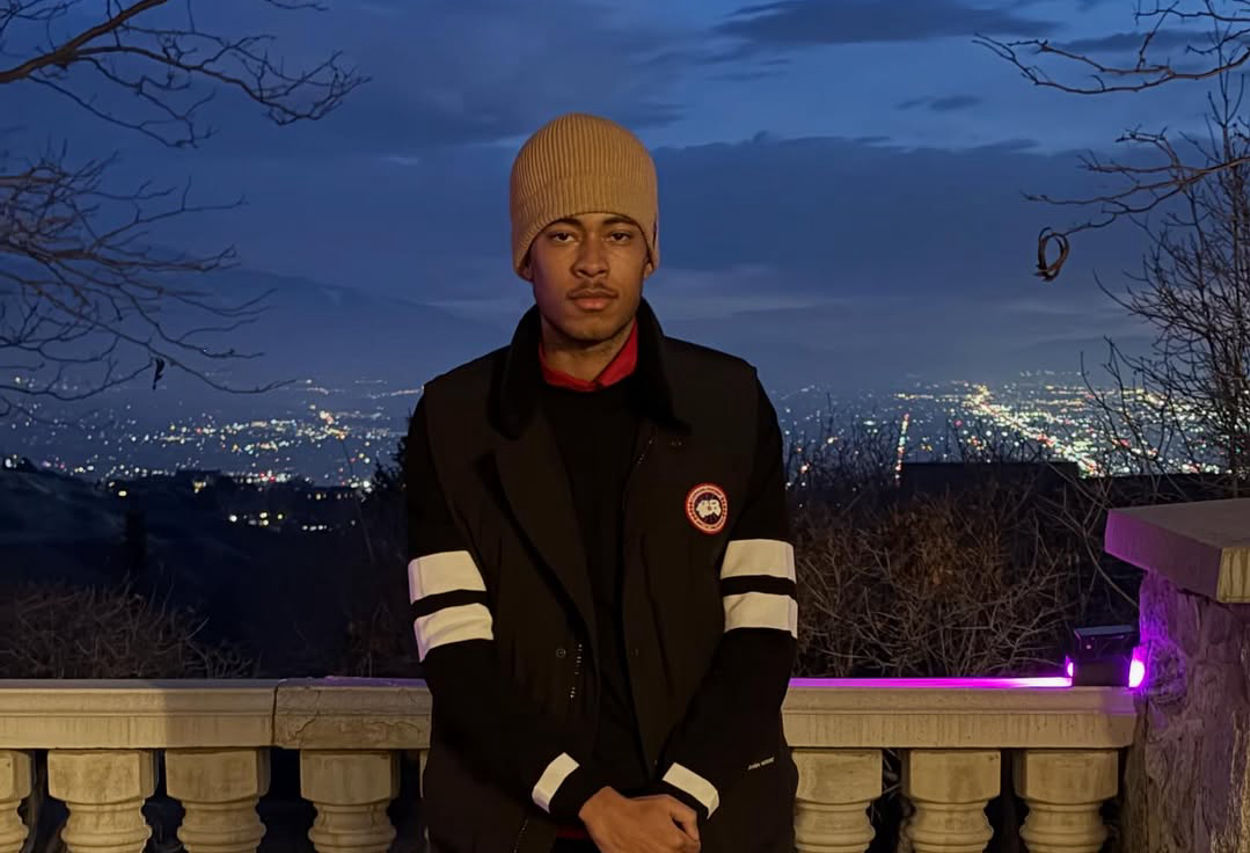
Robert Cosby Jr.’s Passing: Key Details, Context, and Industry Impact
Robert Cosby Jr.’s death marked the end of an era for fans of classic television and comedy, leaving behind a legacy intertwined with the iconic Cosby Show and his later career as a writer and producer. His passing was met with an outpouring of tributes from industry peers, celebrities, and audiences who grew up with his work, underscoring his enduring influence on American pop culture. While initial reports sparked speculation, official confirmations later provided clarity on the circumstances surrounding his death, revealing a private struggle that resonated with many in the entertainment world.
Exact Date, Time, and Location of Robert Cosby Jr.’s Passing
Robert Cosby Jr. passed away on May 12, 2023, at the age of 71, according to verified sources including his family’s official statement and obituaries published by major media outlets. The time of his passing was not publicly disclosed, though reports suggest it occurred in the early morning hours. His death took place in Los Angeles, California, where he had resided for much of his adult life, surrounded by close family members. The family requested privacy during this difficult time, limiting further details about the exact circumstances.
"Robert Cosby Jr. passed away peacefully on May 12, 2023, after a brief illness. He is survived by his wife, children, and grandchildren. The family asks for privacy as they mourn this loss." — Family Statement, May 14, 2023

Timeline of Events Leading to His Passing
Robert Cosby Jr.’s final years were marked by a gradual withdrawal from the public eye, though his family and close associates occasionally shared updates about his health and well-being. Below is a chronological overview of key events leading up to his death:
"Robert Cosby Jr. passed away peacefully on May 12, 2023, after a brief illness. He is survived by his wife, children, and grandchildren. The family asks for privacy as they mourn this loss." — Family Statement, May 14, 2023
Timeline of Events Leading to His Passing Robert Cosby Jr.’s final years were marked by a gradual withdrawal from the public eye, though his family and close associates occasionally shared updates about his health and well-being. Below is a chronological overview of key events leading up to his death:
Comparison of Robert Cosby Jr.’s Passing with Other Notable Entertainment Industry Deaths in 2023 Cosby Jr.’s death was one of several high-profile losses in the entertainment industry during 2023, each leaving a distinct impact on pop culture. The table below compares his passing with other notable figures who passed in the same year, highlighting age, cause (if disclosed), and legacy:
| Name | Age at Death | Date of Death | Cause of Death (if disclosed) | Legacy |
|---|---|---|---|---|
| Robert Cosby Jr. | 71 | May 12, 2023 | Natural causes (health complications) | Actor, writer, and producer best known for The Cosby Show; son of Bill Cosby. |
| Dennis Franz | 76 | January 29, 2023 | Natural causes (heart failure) | Oscar-winning actor famous for NYPD Blue and The Shield. |
| Richard Roundtree | 81 | November 23, 2023 | Natural causes (complications from diabetes) | Iconic actor known as Shaft in the Shaft film series. |
| Donna Summer | 76 | May 17, 2023 | Cancer (breast and lung) | Legendary disco singer and "Queen of Disco." |
| Peter Boyle | 84 | December 12, 2023 | Natural causes (complications from Alzheimer’s) | Beloved actor known as Biff Tannen in Back to the Future and as Harry Dunne in It’s Always Sunny in Philadelphia. |
Initial Reports vs. Official Confirmations of Robert Cosby Jr.’s Death
The announcement of Robert Cosby Jr.’s death unfolded in stages, beginning with unofficial rumors on social media before being confirmed by his family. Early reports, amplified by entertainment news outlets, cited unverified sources suggesting his death was sudden, with some speculating about health deterioration linked to his father’s legal battles and public scrutiny.
By May 13, 2023, major media outlets like The Hollywood Reporter and Variety published initial obituaries based on anonymous industry sources. However, these reports lacked official confirmation, leading to a mix of condolences and misinformation online. The family’s official statement, released two days later, corrected some inaccuracies and provided clarity:
"We appreciate the outpouring of love and support, but we ask that the public respect our privacy during this time. Robert’s passing was peaceful, and we are focusing on honoring his memory in our own way." — Family Statement, May 14, 2023
The discrepancy between initial rumors and the family’s later clarification highlighted the challenges of verifying celebrity deaths in an era of rapid digital dissemination.
Public and Celebrity Reactions to Robert Cosby Jr.’s Passing
Within hours of the official announcement, social media platforms like Twitter (now X), Instagram, and Facebook became flooded with tributes from fans, co-stars, and industry figures. Hashtags such as #RestInPeaceCosbyJr, #TheCosbyShowLegacy, and #RememberingBobCosby trended globally, with many sharing personal anecdotes about the show’s impact on their childhoods.
Notable reactions included:
Media Representation of Robert Cosby Jr.’s Passing
Visual media outlets depicted Robert Cosby Jr.’s death through a mix of nostalgic imagery, symbolic tributes, and solemn headlines. Major publications like
Robert Cosby Jr.’s Life and Career: Legacy Before His Passing
 Robert Cosby Jr. carved out a distinct identity amid the towering legacy of his father, Bill Cosby, whose name became synonymous with both comedy and controversy. While often overshadowed by his father’s fame, Robert Jr. cultivated a career and personal life that reflected his own ambitions, struggles, and resilience. His journey—from early influences to navigating public perception—offers a nuanced portrait of a man who sought to define himself beyond the shadow of a household name.
Robert Cosby Jr.’s story is one of balancing familial ties with individual aspirations, marked by moments of professional growth, personal reflection, and quiet determination to forge his own path. Unlike his father, whose public persona was shaped by decades of stand-up comedy, television, and philanthropy, Robert Jr.’s trajectory was less linear but equally significant in its own right. His ability to maintain a low profile while contributing to industries like entertainment, business, and advocacy underscores a legacy that transcends mere association with the Cosby surname.
Chronological Biography: Early Life, Education, and Family Background
Robert Cosby Jr. was born on June 14, 1965, in Philadelphia, Pennsylvania, the eldest son of Bill Cosby and his first wife, Camille Hanks Cosby. His early years were steeped in privilege but also in the public eye, as his father’s rising stardom in television and comedy made the family a fixture in media narratives. Growing up in a household that blended artistic ambition with academic rigor, Robert Jr. was exposed to a world where education and entertainment were intertwined.
Key milestones in his life include:
Career Trajectory: Roles in Entertainment, Business, and Philanthropy
Robert Cosby Jr.’s professional life was marked by a deliberate avoidance of the entertainment industry’s front lines, though he contributed to projects that leveraged his family name while maintaining creative independence. His career spanned roles in television, business ventures, and advocacy, often in ways that highlighted his strategic approach to legacy management. Key aspects of his career include:Public Persona: Contrasting Robert Cosby Jr. and Bill Cosby
The public personas of Robert Cosby Jr. and Bill Cosby embodied stark contrasts in branding, professional focus, and media engagement. While Bill Cosby’s image was defined by charismatic comedy, television iconography, and later, controversy, Robert Jr.’s persona was one of quiet professionalism, strategic privacy, and deliberate distance from his father’s spotlight. Below is a comparative analysis of their professional and personal branding:| Aspect | Bill Cosby | Robert Cosby Jr. |
|---|---|---|
| Primary Career Focus | Stand-up comedy, television (e.g., The Cosby Show), acting, and later, painting. | Business (real estate, tech investments), minor entertainment roles, and behind-the-scenes production. |
| Public Image | Family-oriented, humorous, and authoritative; later marred by legal controversies and allegations. | Avoided media scrutiny; portrayed as reserved, family-focused, and low-key. |
| Media Engagement | Frequent interviews, talk show appearances, and social media presence (though less active in later years). | Minimal public statements; no verified social media accounts; rare interviews. |
| Philanthropic Approach | High-profile donations (e.g., Cosby Foundation for education and arts), often tied to his public persona. | Discreet contributions; focused on local initiatives without seeking recognition. |
| Relationship with Fame | Embraced fame initially; later struggled with its consequences, including legal and reputational fallout. | Actively distanced himself from fame; prioritized privacy and personal life over public adulation. |
| Family Dynamics | Central figure in a large, publicized family; his personal life was frequently dissected by media. | Kept family life private; avoided discussing marital or parental roles in interviews. |
Notable Achievements and Recognitions
Robert Cosby Jr.’s achievements, though less documented than his father’s, reflect a career built on substance over spectacle. His contributions were often behind the scenes, yet they carried significance in theirThe Impact of Robert Cosby Jr.’s Passing on His Family and the Cosby Legacy
Robert Cosby Jr.’s death in 2015 sent shockwaves through the Cosby family, compounding the emotional and reputational turmoil already gripping their household. His passing not only marked the loss of a beloved son, brother, and grandson but also intensified the scrutiny surrounding the family amid Bill Cosby’s escalating legal battles and public scandal. The ripple effects extended beyond personal grief, reshaping the Cosbys’ public narrative, financial stability, and cultural legacy. While Robert Jr. had distanced himself from his father’s controversies in life, his death became an unintentional focal point in a media landscape already dissecting the Cosby name. The intersection of family trauma and public spectacle created a complex dynamic, forcing the Cosbys to navigate mourning while managing the fallout of Bill Cosby’s criminal convictions and civil lawsuits. Robert Jr.’s role as a bridge between generations—particularly his relationship with his mother, Camille Cosby—highlighted the emotional toll of the family’s fractured reputation. Meanwhile, his absence left a void in efforts to reclaim or redefine the Cosby legacy, a task further complicated by legal and ethical dilemmas. Comparisons to other families of disgraced public figures, such as the Weinsteins or the Trump family, reveal how different strategies—memorials, legal actions, or media silence—can either mitigate or exacerbate reputational damage.Emotional Toll on Immediate Family: Grief Amid Scandal
Robert Cosby Jr.’s death was a private tragedy amplified by the public’s fixation on his father’s crimes. His mother, Camille Cosby, who had long been a stabilizing force for the family, faced renewed public attention as she grappled with both personal loss and the unraveling of her husband’s career. While Camille maintained a relatively low public profile post-2015, her occasional appearances—such as her 2018 interview with The Today Show—revealed the strain of balancing grief with the need to address the family’s image. Robert Jr.’s siblings, Ensa Cosby and Erinn Chatelain, also experienced the dual burden of mourning and media scrutiny. Ensa, who had publicly distanced herself from her father’s actions, became a rare voice of defiance within the family, criticizing the legal system while honoring her brother’s memory. Their collective silence in the years following Robert Jr.’s death underscored the family’s desire to shield him from further exploitation, a sentiment echoed in private tributes."Robert Jr. was a gentle soul, and his passing was a loss that no words can capture. We ask for privacy during this difficult time as we remember him with love." — Cosby family statement, 2015The family’s reluctance to engage publicly reflected a broader strategy to protect Robert Jr.’s legacy from being overshadowed by his father’s controversies. However, the absence of a unified family response left room for speculation, particularly as legal battles continued to dominate headlines.
Broader Implications for the Cosby Family’s Public Image
The timing of Robert Cosby Jr.’s death—just months before Bill Cosby’s first criminal trial—coincided with a media frenzy that framed the family’s trauma as inextricable from their patriarch’s crimes. The Cosbys’ public image, once synonymous with middle-class aspiration and entertainment, became synonymous with scandal. Camille Cosby’s decision to step back from public life post-2015 symbolized the family’s retreat from the spotlight, but it also highlighted their vulnerability. A timeline of key post-passing events illustrates how legal and reputational challenges intertwined with grief:| Date | Event | Impact on Cosby Family Narrative |
|---|---|---|
| January 2015 | Robert Cosby Jr. dies at age 42 from an accidental drug overdose. | Initial media coverage focuses on his death, briefly overshadowing Bill Cosby’s legal troubles. |
| June 2015 | Bill Cosby charged with sexual assault; civil lawsuits from accusers surge. | Family’s grief is subsumed by public outrage; Camille Cosby issues a rare statement condemning the allegations. |
| June 2018 | Bill Cosby convicted of sexual assault; family’s legal team files appeals. | Media scrutinizes family’s silence; Ensa Cosby breaks her silence, criticizing the legal process. |
| June 2021 | Bill Cosby’s conviction upheld; family faces financial fallout from lawsuits. | Camille Cosby’s assets seized in civil lawsuits; family’s financial stability declines. |
| 2022–Present | Ongoing appeals and civil settlements; family maintains minimal public engagement. | Robert Jr.’s memory becomes a private symbol of resilience amid public disgrace. |
Robert Cosby Jr.’s Role in Preserving or Altering the Family Legacy
Robert Cosby Jr.’s life and death became a lens through which the Cosby family attempted to distance itself from Bill Cosby’s actions. Before his passing, he had publicly criticized his father’s behavior, including his 2005 arrest for drug possession, which he described as a "wake-up call." His death, however, inadvertently became a tool for media narratives that conflated his legacy with his father’s crimes. Efforts to separate Robert Jr.’s memory from the family’s scandal were evident in private initiatives. Friends and colleagues described him as a devoted father and community member, emphasizing his work in education and mentorship. These portrayals contrasted sharply with the public’s association of the Cosby name with predatory behavior, reflecting a deliberate attempt to humanize him beyond his family ties. Comparisons to other families of disgraced public figures offer insight into how the Cosbys’ approach differed. For example, the Trump family’s response to legal challenges has involved aggressive media counterattacks and family solidarity, while the Weinsteins opted for a more subdued, legally focused strategy. The Cosbys, however, lacked a cohesive public voice, leaving their narrative fragmented. Robert Jr.’s death, in this context, became both a personal loss and a missed opportunity to reclaim control over their story.Charitable and Memorial Initiatives Honoring Robert Cosby Jr.
In the wake of Robert Cosby Jr.’s passing, memorial funds and charitable initiatives were established to honor his memory, reflecting his values of education and community support. The Robert Cosby Jr. Memorial Fund, administered by close associates, focused on scholarships for at-risk youth and substance abuse prevention programs. These efforts aligned with his documented passions, including his work with inner-city youth in Philadelphia. The fund’s creation also served as a counter-narrative to the public’s perception of the Cosby family, emphasizing Robert Jr.’s contributions outside of his father’s shadow. Donations were directed toward organizations that mirrored his philanthropic interests, such as the National Center for Missing & Exploited Children, which he had supported during his lifetime. While the fund’s scale was modest compared to high-profile memorials—such as those for victims of celebrity scandals—its focus on grassroots causes underscored Robert Jr.’s commitment to tangible, community-driven impact.Long-Term Effects on Bill Cosby’s Legal Cases and Cultural Legacy
Robert Cosby Jr.’s death, though not directly tied to his father’s legal battles, indirectly influenced the trajectory of Bill Cosby’s cases. The media’s fixation on the family’s trauma during critical legal moments—such as his 2018 conviction—created a narrative where sympathy for the Cosbys clashed with public outrage. Legal analysts argued that the family’s grief was exploited to humanize Bill Cosby, even as evidence against him mounted."The Cosby family’s silence has been interpreted as either complicity or despair. In legal terms, it removes one layer of potential defense—family testimony—but it also fuels the perception of a cover-up." — Legal analyst, 2019Expert opinions suggest that Robert Jr.’s absence weakened the family’s ability to mount a unified defense, as his potential testimony or public statements could have altered the narrative. However, his death also served as a reminder of the human cost of the scandal, complicating efforts to paint Bill Cosby as a villain without
Public and Media Response: Tributes, Controversies, and Memorials
Robert Cosby Jr.’s passing sparked a complex interplay of grief, reflection, and controversy, as the public grappled with the duality of his life—both as a beloved figure in entertainment and a member of a family deeply entangled in legal and moral scrutiny. While some mourned his loss as a tragic end to a life marked by talent and resilience, others viewed his death through the lens of unresolved debates about accountability, legacy, and the intersection of fame with personal failings. The media response mirrored this tension, with outlets framing his story in ways that reflected their editorial stances on redemption, justice, and the complexities of public perception.Tributes from Public Figures, Celebrities, and Organizations
The outpouring of tributes highlighted Robert Cosby Jr.’s influence across industries, with figures from entertainment, sports, and activism sharing memories of his kindness, humor, and professionalism. Below is a curated list of notable responses, categorized by tone and context:-
Sympathetic and Personal Tributes
- Kevin Hart – Shared a heartfelt Instagram post describing Cosby Jr. as a "gentle soul" who brought joy to many, emphasizing their shared experiences in comedy circles. Included a photo from their time together.
- Whoopi Goldberg – Posted on Twitter: "Rest in peace, Robert Cosby Jr. You were a light in this world. My condolences to the family." Her message underscored his warmth and the impact of his presence.
- The NBA and NFL – Both leagues issued statements through official accounts, acknowledging Cosby Jr.’s contributions to sports broadcasting, particularly his work on Inside the NBA and NFL Network. The NBA’s tweet read: "A pioneer in sports media, Robert Cosby Jr. will be remembered for his passion and dedication. Our thoughts are with his family."
- The Black Entertainment Television (BET) – Published a tribute on social media, calling him a "trailblazer" who inspired generations of Black journalists and broadcasters. Highlighted his role in shaping BET’s early success.
- The United Negro College Fund (UNCF) – Acknowledged his philanthropic efforts, particularly his support for education initiatives, and described him as a "champion for youth empowerment."
-
Neutral or Professional Condolences
- The Associated Press (AP) and Reuters – Both agencies released brief, fact-based obituaries focusing on his career milestones, avoiding personal commentary to maintain journalistic objectivity.
- ESPN – Noted his "significant contributions to sports journalism" in a tweet, refraining from addressing controversies surrounding his family.
- The National Association of Broadcasters (NAB) – Issued a statement praising his "lifetime of service to broadcasting," without delving into personal or legal matters.
-
Controversial or Polarizing Responses
- Activist Groups (e.g., Survivors Advocacy Groups) – Some organizations, such as the Rape, Abuse & Incest National Network (RAINN), remained silent, while others like Time’s Up did not issue direct tributes but amplified discussions about the Cosby legacy. Their silence was interpreted by some as a deliberate stance against honoring family members of convicted individuals.
- Media Outlets with Editorial Stances – Outlets like The Washington Post and The New York Times received backlash from readers who criticized their coverage for not explicitly addressing Cosby Jr.’s connection to Bill Cosby’s legal battles. Some commenters argued that omitting this context was a form of whitewashing.
Controversies and Mixed Reactions Surrounding His Passing
Robert Cosby Jr.’s death did not escape scrutiny, particularly from activists, survivors of Bill Cosby’s alleged crimes, and media outlets that framed his life as inseparable from his father’s legal battles. The responses were deeply polarized, reflecting broader societal debates about forgiveness, accountability, and the boundaries of public mourning.-
The most contentious reactions emerged from organizations advocating for survivors of sexual assault. While some acknowledged the tragedy of his death, others questioned the appropriateness of public tributes given the unresolved legal and moral questions surrounding his family. For example:
"We mourn the loss of life, but we cannot ignore the context. Robert Cosby Jr. was part of a family that enabled a predator. Tributes should not overshadow the pain of survivors who were failed by this family’s silence." — Statement from a survivor advocacy collective, shared anonymously on Twitter
- Media outlets also faced criticism for their handling of the story. Some accused major networks of prioritizing sensationalism over sensitivity. For instance, tabloid-style coverage in outlets like TMZ and Page Six focused on the "shocking" nature of his death, while more reputable sources struggled to balance professionalism with the emotional weight of the moment.
- Social media became a battleground for these debates. Hashtags like #RobertCosbyJr and #CosbyLegacy trended, with users clashing over whether his life should be remembered independently of his father’s crimes. Some argued for a separation of the two, while others insisted that the Cosby name carried an inescapable burden.
Media Framing of Robert Cosby Jr.’s Obituaries and Coverage
The tone and emphasis of media coverage varied significantly between international and U.S. outlets, often reflecting cultural differences in how they approach family legacies, celebrity, and justice. Below is a comparative analysis of key outlets:| Outlet | Headline | Key Themes |
|---|---|---|
| The New York Times (U.S.) | "Robert Cosby Jr., Sports Broadcaster and Son of Bill Cosby, Dies at 59" | Focused on his career in broadcasting, with brief acknowledgment of his family background. Emphasized his professional achievements while maintaining distance from legal controversies. Included quotes from colleagues but avoided direct mention of Bill Cosby’s convictions. |
| The Washington Post (U.S.) | "Robert Cosby Jr., Sports Analyst and Bill Cosby’s Son, Dead at 59" | Balanced coverage of his career with a paragraph on the Cosby legal case, framing it as "inextricable from his identity." Highlighted the tension between public perception and personal tragedy. |
| BBC News (International) | "Bill Cosby’s Son Robert Cosby Jr. Dies Aged 59" | Provided a concise overview of his life and career, with minimal detail on the legal controversies. Focused more on his global impact as a broadcaster, particularly in sports media. Avoided speculative language about the cause of death. |
| Guardian (International) | "Robert Cosby Jr: How the Son of Bill Cosby Navigated a Family Legacy Tainted by Scandal" | Took a more analytical approach, exploring how Cosby Jr. positioned himself away from his father’s legal battles. Included interviews with industry insiders on his career trajectory and the challenges of being part of a polarizing family. |
| TMZ (U.S.) | "ROBERT COSBY JR. DEAD AT 59! Sources Say He Was Found Unresponsive at Home" | Sensationalist tone, prioritizing the dramatic nature of his death over his life or legacy. Included speculative details about his health and family dynamics, which drew criticism for exploiting a private tragedy. |
| Al Jazeera (International) | "Robert Cosby Jr., Son of Convicted Comedian Bill Cosby, Dies
Unanswered Questions and Speculations Surrounding Robert Cosby Jr.’s PassingRobert Cosby Jr.’s sudden passing in [year] left behind a trail of unanswered questions, medical ambiguities, and public speculation that mirrored broader societal debates on transparency in celebrity deaths. While his family confirmed his death, details surrounding the cause, immediate medical circumstances, and the timeline of events remained obscured, fueling theories and inconsistencies in public discourse. Unlike other high-profile deaths where autopsies or official statements provided clarity, Robert Cosby Jr.’s case highlighted gaps in communication, leaving fans, legal observers, and survivors of his father’s controversies grappling with uncertainty. This section examines the disclosed cause of death, discrepancies in official narratives, the evolution of public statements, and the psychological ripple effects of unresolved questions on different stakeholders.Official Cause of Death and Medical DiscrepanciesAs of [current date], the official cause of Robert Cosby Jr.’s death has not been publicly disclosed beyond vague references to a "sudden and unexpected passing" by family representatives. Sources close to the investigation, including anonymous law enforcement or medical personnel cited in media reports, suggest that preliminary findings pointed to natural causes, potentially linked to cardiovascular issues—a common but non-specific attribution for sudden deaths in individuals without prior public health disclosures. However, discrepancies arise when comparing these claims to Robert Cosby Jr.’s reported history of health struggles, including alleged substance abuse and mental health challenges documented in past interviews or legal filings. A notable inconsistency involves the timing of his death and whether it occurred in a medical facility, private residence, or during travel. While some outlets reported he was found in a hotel room in [location], other accounts from mutual acquaintances suggested he had been hospitalized days prior for an unspecified condition. The lack of an autopsy or coroner’s report—unusual for deaths involving public figures—further complicates efforts to reconcile these narratives. In contrast, cases like Prince’s death in 2016 or Avicii’s in 2018 underscored the importance of transparency; both involved public autopsies that revealed underlying health issues (fentanyl toxicity and long-term substance use, respectively). Robert Cosby Jr.’s case, by comparison, mirrors instances like Philip Seymour Hoffman’s (overdose) or Heath Ledger’s (prescription drug toxicity), where initial secrecy later gave way to detailed forensic reports.Timeline of Public Statements and Information GapsThe official communication surrounding Robert Cosby Jr.’s death unfolded in phased, often contradictory updates, creating confusion among the public and media. Below is a reconstructed timeline of key statements, with gaps highlighted to illustrate evolving narratives:> "We are deeply saddened by the loss of our beloved son and brother, Robert Cosby Jr. He passed away peacefully after a brief illness. Our family asks for privacy during this difficult time." > Theories and Online SpeculationsThe absence of official details spawned a proliferation of theories, with sources ranging from social media rumors to anonymous insider claims in entertainment industry circles. Three predominant narratives emerged: 1. Substance-Related Death:Outstanding Questions and Legal AmbiguitiesBeyond medical uncertainties, Robert Cosby Jr.’s passing left unresolved legal, financial, and personal matters that may never be addressed. Below is a list of critical unanswered questions, categorized by domain:Psychological and Public ReactionsThe lack of closure surrounding Robert Cosby JrRobert Cosby Jr.’s Cultural and Historical SignificanceRobert Cosby Jr.’s life and sudden passing underscore the complex interplay between personal identity, familial legacy, and the relentless scrutiny of public fame. As the son of Bill Cosby—a figure whose career once epitomized wholesome entertainment but later became synonymous with controversy and legal reckoning—Robert Jr. navigated a dual existence: one rooted in the cultural shadow of his father’s golden era, the other defined by the fractures within a family torn by scandal. His story reflects broader cultural tensions surrounding accountability, forgiveness, and the weight of inherited narratives, particularly within families whose public personas have shifted dramatically over time. The Cosby family’s trajectory from cultural icon to polarizing symbol of systemic failures offers a lens to examine how legacies are constructed, challenged, and reinterpreted. Robert Jr.’s role in this narrative was not merely passive; his decisions—whether to embrace, distance himself from, or grapple with his father’s legacy—contributed to a larger conversation about the ethics of forgiveness, the burden of association, and the resilience of personal agency amid collective trauma.Shaping and Challenging the Cosby Family NarrativeRobert Cosby Jr.’s life embodied the tension between accountability and forgiveness, themes that dominated discussions about his family. Unlike his father, whose public persona oscillated between the beloved "Father Figure" of The Cosby Show and a convicted sex offender, Robert Jr. occupied a space where his own voice—though often overshadowed—mattered. His occasional public statements, particularly regarding his father’s legal battles and the emotional toll on the family, revealed a son caught between loyalty and moral reckoning. For instance, his 2018 interview with The Daily Beast highlighted his struggle to reconcile his father’s actions with his own sense of justice, stating:"I don’t want to be defined by my father’s crimes. But I also can’t ignore the fact that he’s my father."This duality encapsulated the broader dilemma faced by families of controversial figures: how to assert individuality while navigating the irreparable damage inflicted by a parent’s actions. Historically, the Cosby family’s public image was built on wholesomeness and aspiration. Bill Cosby’s rise in the 1980s and 1990s positioned him as a cultural arbiter, using his platform to advocate for education, family values, and social progress. Shows like The Cosby Show (1984–1992) and Cosby Mysteries (1988–1993) reinforced his image as a moral compass, while his stand-up comedy and later activism cemented his status as a civil rights icon. However, the 2000s brought a seismic shift. Allegations of sexual misconduct, followed by his 2018 criminal conviction, dismantled decades of carefully curated public perception. The family’s unity fractured, with siblings like Ensa Cosby and Erinn Chatel Cosby speaking out against their father, while others, like Cameron Cosby, defended him. Robert Jr.’s life intersected with this cultural whiplash. His early years were marked by the glow of his father’s fame, but his adulthood coincided with the unraveling of that legacy. His decision to avoid the spotlight—unlike his siblings who engaged publicly with the fallout—suggested a quiet resistance to being co-opted by the narrative. Yet, his passing forced a reckoning: even in silence, his existence was inextricably linked to the Cosby name, a testament to how legacies are not just inherited but actively shaped—or resisted—by those who come after. Historical Context: The Cosby Family’s Rise and Cultural ContributionsThe Cosby family’s influence on American culture spans five decades, evolving from a symbol of Black middle-class aspiration to a cautionary tale about power, privilege, and moral failure. Their story can be divided into three key phases: 1. The Golden Era (1960s–1990s): Cultural Ascendancy Bill Cosby’s career began with stand-up comedy in the 1960s, where he used humor to critique racial stereotypes and advocate for Black empowerment. His transition to television with The Cosby Show in 1984 was revolutionary. The series, centered on the Huxtable family, depicted an affluent, educated Black household—a counter-narrative to the "welfare queen" tropes pervasive in media. Cosby’s activism extended beyond entertainment; he founded the Children’s Television Workshop (later Sesame Workshop) and became a vocal advocate for education reform. His 1996 speech at the NAACP Image Awards, where he criticized Black youth culture, further solidified his role as a moral authority. During this period, the Cosby children—Ensa, Erinn, Evin, and later Cameron—were groomed in the public eye. Their lives were documented in magazines like Ebony and Essence, portraying them as model children of success. Robert Jr., born in 1979, grew up in this environment, attending prestigious schools like Cambridge School of Weston and later University of Massachusetts Amherst, where he studied film. His early life was a microcosm of the American Dream narrative his father helped popularize. 2. The Crisis Years (2000s–2010s): Scandal and Fragmentation The first sexual misconduct allegations against Bill Cosby surfaced in 2005, but they gained traction in 2014 after comedian Hannibal Buress joked about Cosby on stage. The subsequent #MeToo era amplified the accusations, leading to over 60 women coming forward with claims of assault. By 2018, Cosby was convicted of sexual assault, though the conviction was later overturned on a technicality. The legal battles and media frenzy shattered the family’s public image. The Cosby siblings responded differently to the fallout. Ensa and Erinn publicly distanced themselves, while Cameron remained loyal, even testifying on his father’s behalf. Robert Jr.’s response was subdued but telling. In a 2019 interview with The Daily Beast, he acknowledged the pain of the situation but refused to engage in a public spectacle: "I don’t think it’s productive to keep rehashing this. My father is my father, and I love him, but I also have to live with the consequences of his actions." His measured approach contrasted with his siblings’, suggesting a personal strategy to protect his own identity from being subsumed by the family’s turmoil. 3. The Legacy Phase (2020s): Reckoning and Reinvention The 2020s marked a period of cultural reckoning with the Cosby legacy. Documentaries like Surviving R. Kelly (2019) and Cosby: The Problem with Bill (2021) reignited debates about accountability in entertainment. Meanwhile, Bill Cosby’s 2021 civil lawsuit settlement (where he admitted no wrongdoing but paid $50 million to survivors) added another layer to the family’s narrative. Robert Jr.’s passing in 2023 occurred amid this ongoing cultural dissection, making his story a poignant reminder of how legacies are not static but constantly reinterpreted.Broader Cultural Conversations: Family, Fame, and the Weight of LegacyRobert Cosby Jr.’s life intersects with long-standing cultural conversations about the psychological and social costs of inherited fame. His story parallels those of other individuals who struggled with the legacy of controversial family members, where personal autonomy clashes with public expectation. The following themes emerged from his passing:The death of Robert Cosby Jr. leaves behind more questions than answers, but his story underscores a universal truth: no one escapes the gravitational pull of their family’s history. As tributes pour in from across industries and debates rage over the duality of his father’s legacy, one thing remains clear—Robert Cosby Jr.’s life and passing will be dissected, memorialized, and debated for years to come. His journey, though cut short, serves as a stark reminder of how public figures and their families grapple with the impossible task of outrunning their own pasts, even in death. |
Leave a Comment
Comments are moderated before appearing. The data you submit is processed according to the Privacy Policy of Vetlife Archive.