RebornToBeDragonQueenMythsPowerAndLegacy
Table of Contents
- The Dragon Queen Archetype: Mythological Foundations and Cultural Evolution The dragon queen stands as a transcendent figure bridging cosmic power, cyclical renewal, and the duality of destruction and rebirth. Rooted in ancient mythologies, this archetype embodies the fusion of primal chaos and divine order, where dragons—symbols of both terror and wisdom—are elevated to regal, often maternal authority. East Asian traditions depict these figures as celestial guardians of balance, while Western lore often frames them as ambivalent forces, torn between tyranny and redemption. Their narratives frequently revolve around themes of transformation, resurrection, and the eternal cycle of life and destruction, making them pivotal in understanding humanity’s relationship with nature and the divine. East Asian Dragon Queens: Celestial Sovereignty and Cosmic Harmony In East Asian mythology, dragons ( long in Chinese, ryū in Japanese, yong in Korean) are not mere beasts but divine entities governing water, weather, and the heavens. The Longwang (Dragon Kings) and Ryūjin (Dragon Gods) serve as intermediaries between mortal realms and celestial forces, often associated with imperial authority and agricultural prosperity. The Yongwang of Korean lore, for instance, commands the seas and is revered as a protector of fishermen and sailors, reflecting the region’s deep maritime culture. These dragon queens—though less explicitly gendered in some traditions—are frequently linked to figures like Nüwa, the primordial creator who mends the broken sky, or Xi Wangmu, the Queen Mother of the West, who presides over immortality and rebirth in Taoist cosmology. The symbolic roles of East Asian dragon queens emphasize transformation and renewal. Dragons in these myths are not static; they embody the five elements (wood, fire, earth, metal, water) and their cyclical interplay, mirroring the natural world’s perpetual change. Their association with water—both destructive floods and life-sustaining rains—reinforces their dual nature as both creators and destroyers. Unlike Western dragons, which are often solitary and malevolent, East Asian dragon queens exist within a hierarchical pantheon, where their power is communal and tied to maintaining cosmic order. For example, the Azure Dragon ( Qinglong ) of the East and the White Tiger ( Baixing ) of the West represent the balance of yin and yang, their queenship symbolizing harmony rather than domination. Comparative Analysis: Western Dragon Queens and the Contrast of Benevolence and Tyranny Western dragon lore presents a stark contrast to its East Asian counterparts, where dragons are frequently portrayed as hoarders of treasure, slayers of heroes, or embodiment of unchecked greed. The archetype of the dragon queen in Western mythology is rarer but equally layered, often serving as a mirror to human ambition and its consequences. Figures like Sapphira from Dragonheart (1996) or Tiamat in Critical Role ’s Baldur’s Gate adaptations redefine the dragon queen as a complex fusion of maternal fury and tragic grandeur. Sapphira’s story, for instance, frames her as a protector of her people, her destruction of a human settlement stemming from betrayal rather than inherent malice—a narrative device that humanizes the dragon queen. Historically, Western dragons were tied to Christian allegory, where they represented sin, heresy, or the untamed forces of nature that required conquest by saintly heroes (e.g., Saint George and the Dragon). However, modern reinterpretations, such as Smaug’s cultural predecessors in Tolkien’s The Hobbit or Morghoul in Dungeons & Dragons , complicate this binary. Smaug, though a tyrant, is also a poetic and tragic figure, his downfall tied to his obsession with gold—a metaphor for the corrupting nature of power. Meanwhile, Tiamat, the primordial dragon goddess of Babylonian myth, later reimagined in fantasy, embodies chaotic creation, her destruction of the first gods a necessary precursor to rebirth. This duality—destruction as a path to renewal—becomes a recurring motif in Western dragon queen narratives, albeit often overshadowed by their destructive aspects. Historical and Literary Reimaginings: Dragon Queens in Modern Mythmaking The dragon queen archetype has been reclaimed and redefined in contemporary literature and media, where historical or mythological figures are recast through a feminist and transformative lens. One notable example is Mulan, whose connection to dragon symbolism is subtle but profound. In some adaptations, Mulan’s journey mirrors the phoenix’s cycle of death and rebirth, her transformation from a mortal warrior to a figure of legendary status evoking the dragon’s association with immortality. Similarly, Ahmu, the dragon deity from The Legend of Ahmu , blends Inuit and Norse mythologies, portraying a serpentine goddess who sacrifices herself to save humanity, only to be reborn through the cycles of ice and fire—a narrative that aligns with the dragon queen’s role as a sacrificial savior. Literary works like The Silmarillion introduce Melkor’s (Morgoth’s) dragon-wives, such as Ancalagon the Black, whose existence as a monstrous queen underscores the corruption of divine power. Conversely, Dragonriders of Pern by Anne McCaffrey presents Ramoth, a dragon who transcends gender, embodying wisdom and longevity, her role as a queen tied to the survival of her riders and the planet itself. These examples illustrate how dragon queens serve as catalysts for rebirth, whether through personal transformation, societal renewal, or cosmic cycles. Timeline of Dragon Queens in Mythological Texts: Rebirth and Resurrection Motifs The following table maps key mythological and literary texts featuring dragon queens, highlighting their associations with rebirth, resurrection, or cyclical renewal. These narratives demonstrate how the archetype evolves across cultures, from ancient creation myths to modern fantasy. Text/Myth Dragon Queen Figure Rebirth/Resurrection Motif Cultural Context Journey to the West (16th century) White Bone Demon (Bai Gu) Reincarnation through vengeance; her transformation into a dragon marks a cycle of suffering and rebirth. Chinese folklore; blends Buddhist karma with Taoist immortality. Beowulf (8th–11th century) Mother of Grendel (Dragon-like monstrosity) Her lair’s hoard suggests a cyclical curse, where greed and death perpetuate a never-ending cycle. Anglo-Saxon epic; dragons symbolize fate and the transience of mortal power. The Silmarillion (1977, Tolkien) Ancalagon the Black Her death marks the final destruction of Morgoth, but her existence as a dragon-wife ties to the eternal war of the Ainur, a cosmic rebirth. J.R.R. Tolkien’s mythopoeia; dragons as agents of divine conflict. Babylonian Mythology ( Enuma Elish ) Tiamat Her slaying by Marduk creates the cosmos, but her chaotic waters symbolize the eternal return of primal forces. Mesopotamian creation myth; dragons as embodiment of the abyss. Dragonriders of Pern (1967–) Ramoth Her bond with her rider ensures the cyclical survival of Pern, her wisdom tied to the planet’s rebirth after the Red Star’s threat. Science fantasy; dragons as stewards of ecological renewal. Critical Role’s Baldur’s Gate (2020–) Tiamat Her resurrection as a five-headed dragon goddess recontextualizes her as a tragic figure, her destruction tied to the party’s growth and the world’s rebirth Modern Interpretations: Dragon Queens as Archetypes of Power and Rebirth in Fantasy Media
- Ten Iconic Dragon Queens and Their Evolutionary Traits
- The Psychology of Rebirth: Power, Trauma, and Identity in Dragon Queens
- Jungian Archetypes and the Dragon Queen’s Psychological Transformation
- Case Study: Trauma and Resurrection in GoT ’s Viserion and Critical Role ’s Tiamat
- Real-World Parallels: Rebirth in Power Structures
- The Duality of Dragon Queen Rebirths: Destruction and Creation
- Designing a Dragon Queen: Worldbuilding and Mechanics for Mythic Rebirth
- Crafting the Dragon Queen’s Origin Myth: Three Pillars of Creation
- Mechanical Rules for Rebirth in Tabletop RPGs
- Magic System Table: Dragon Queen Powers and Evolutionary Stages
- Fan Culture and Dragon Queens: Memes, Cosplay, and Legacy
- Trending Memes Reinventing Dragon Queen Tropes
- Cosplay Breakdown: Iconic Dragon Queen Outfits and Movement Techniques
- Fan Fiction Tropes Organized by Theme
- Evolution of Fan Art: From Sketches to Reborn Aesthetics
From smoldering ashes to soaring dominion, the legend of the dragon queen’s rebirth transcends myth and reshapes storytelling across cultures. East Asian deities like the Longwang and Western icons such as Daenerys Targaryen embody a universal archetype—one where destruction paves the way for transcendence, and fire becomes the crucible of sovereignty. These figures are not merely monsters or saviors; they are mirrors reflecting humanity’s deepest fears and aspirations, their narratives woven into the fabric of prophecy, trauma, and cyclical renewal.
The dragon queen’s resurrection is a masterclass in symbolic alchemy, blending cosmic forces with psychological depth. Whether through the phoenix-like cycles of Nüwa in Chinese lore or the cursed ascension of Fafnir in Norse sagas, these tales explore how power is forged in suffering and rebirth. Modern media has reimagined this myth in breathtaking ways—from Game of Thrones’ Viserion rising as a queer-coded liberator to Critical Role’s Ahmu defying death through collective belief. Yet beneath the scales and flames lies a question: What does it truly mean to be reborn, and who gets to decide the terms of that transformation?

The Dragon Queen Archetype: Mythological Foundations and Cultural Evolution
The dragon queen stands as a transcendent figure bridging cosmic power, cyclical renewal, and the duality of destruction and rebirth. Rooted in ancient mythologies, this archetype embodies the fusion of primal chaos and divine order, where dragons—symbols of both terror and wisdom—are elevated to regal, often maternal authority. East Asian traditions depict these figures as celestial guardians of balance, while Western lore often frames them as ambivalent forces, torn between tyranny and redemption. Their narratives frequently revolve around themes of transformation, resurrection, and the eternal cycle of life and destruction, making them pivotal in understanding humanity’s relationship with nature and the divine.
East Asian Dragon Queens: Celestial Sovereignty and Cosmic Harmony
In East Asian mythology, dragons (long in Chinese, ryū in Japanese, yong in Korean) are not mere beasts but divine entities governing water, weather, and the heavens. The Longwang (Dragon Kings) and Ryūjin (Dragon Gods) serve as intermediaries between mortal realms and celestial forces, often associated with imperial authority and agricultural prosperity. The Yongwang of Korean lore, for instance, commands the seas and is revered as a protector of fishermen and sailors, reflecting the region’s deep maritime culture. These dragon queens—though less explicitly gendered in some traditions—are frequently linked to figures like Nüwa, the primordial creator who mends the broken sky, or Xi Wangmu, the Queen Mother of the West, who presides over immortality and rebirth in Taoist cosmology.
The symbolic roles of East Asian dragon queens emphasize transformation and renewal. Dragons in these myths are not static; they embody the five elements (wood, fire, earth, metal, water) and their cyclical interplay, mirroring the natural world’s perpetual change. Their association with water—both destructive floods and life-sustaining rains—reinforces their dual nature as both creators and destroyers. Unlike Western dragons, which are often solitary and malevolent, East Asian dragon queens exist within a hierarchical pantheon, where their power is communal and tied to maintaining cosmic order. For example, the Azure Dragon (Qinglong) of the East and the White Tiger (Baixing) of the West represent the balance of yin and yang, their queenship symbolizing harmony rather than domination.
Comparative Analysis: Western Dragon Queens and the Contrast of Benevolence and Tyranny
Western dragon lore presents a stark contrast to its East Asian counterparts, where dragons are frequently portrayed as hoarders of treasure, slayers of heroes, or embodiment of unchecked greed. The archetype of the dragon queen in Western mythology is rarer but equally layered, often serving as a mirror to human ambition and its consequences. Figures like Sapphira from Dragonheart (1996) or Tiamat in Critical Role’s Baldur’s Gate adaptations redefine the dragon queen as a complex fusion of maternal fury and tragic grandeur. Sapphira’s story, for instance, frames her as a protector of her people, her destruction of a human settlement stemming from betrayal rather than inherent malice—a narrative device that humanizes the dragon queen.
Historically, Western dragons were tied to Christian allegory, where they represented sin, heresy, or the untamed forces of nature that required conquest by saintly heroes (e.g., Saint George and the Dragon). However, modern reinterpretations, such as Smaug’s cultural predecessors in Tolkien’s The Hobbit or Morghoul in Dungeons & Dragons, complicate this binary. Smaug, though a tyrant, is also a poetic and tragic figure, his downfall tied to his obsession with gold—a metaphor for the corrupting nature of power. Meanwhile, Tiamat, the primordial dragon goddess of Babylonian myth, later reimagined in fantasy, embodies chaotic creation, her destruction of the first gods a necessary precursor to rebirth. This duality—destruction as a path to renewal—becomes a recurring motif in Western dragon queen narratives, albeit often overshadowed by their destructive aspects.
Historical and Literary Reimaginings: Dragon Queens in Modern Mythmaking
The dragon queen archetype has been reclaimed and redefined in contemporary literature and media, where historical or mythological figures are recast through a feminist and transformative lens. One notable example is Mulan, whose connection to dragon symbolism is subtle but profound. In some adaptations, Mulan’s journey mirrors the phoenix’s cycle of death and rebirth, her transformation from a mortal warrior to a figure of legendary status evoking the dragon’s association with immortality. Similarly, Ahmu, the dragon deity from The Legend of Ahmu, blends Inuit and Norse mythologies, portraying a serpentine goddess who sacrifices herself to save humanity, only to be reborn through the cycles of ice and fire—a narrative that aligns with the dragon queen’s role as a sacrificial savior.
Literary works like The Silmarillion introduce Melkor’s (Morgoth’s) dragon-wives, such as Ancalagon the Black, whose existence as a monstrous queen underscores the corruption of divine power. Conversely, Dragonriders of Pern by Anne McCaffrey presents Ramoth, a dragon who transcends gender, embodying wisdom and longevity, her role as a queen tied to the survival of her riders and the planet itself. These examples illustrate how dragon queens serve as catalysts for rebirth, whether through personal transformation, societal renewal, or cosmic cycles.
Timeline of Dragon Queens in Mythological Texts: Rebirth and Resurrection Motifs
The following table maps key mythological and literary texts featuring dragon queens, highlighting their associations with rebirth, resurrection, or cyclical renewal. These narratives demonstrate how the archetype evolves across cultures, from ancient creation myths to modern fantasy.
Timeline of Dragon Queens in Mythological Texts: Rebirth and Resurrection Motifs The following table maps key mythological and literary texts featuring dragon queens, highlighting their associations with rebirth, resurrection, or cyclical renewal. These narratives demonstrate how the archetype evolves across cultures, from ancient creation myths to modern fantasy.
| Text/Myth | Dragon Queen Figure | Rebirth/Resurrection Motif | Cultural Context | |||||||||||||||||||||||||||||||||||||||||||||||||||||||||||||||||||||||||||||||||||||||||||||||||
|---|---|---|---|---|---|---|---|---|---|---|---|---|---|---|---|---|---|---|---|---|---|---|---|---|---|---|---|---|---|---|---|---|---|---|---|---|---|---|---|---|---|---|---|---|---|---|---|---|---|---|---|---|---|---|---|---|---|---|---|---|---|---|---|---|---|---|---|---|---|---|---|---|---|---|---|---|---|---|---|---|---|---|---|---|---|---|---|---|---|---|---|---|---|---|---|---|---|---|---|---|
| Journey to the West (16th century) | White Bone Demon (Bai Gu) | Reincarnation through vengeance; her transformation into a dragon marks a cycle of suffering and rebirth. | Chinese folklore; blends Buddhist karma with Taoist immortality. | |||||||||||||||||||||||||||||||||||||||||||||||||||||||||||||||||||||||||||||||||||||||||||||||||
| Beowulf (8th–11th century) | Mother of Grendel (Dragon-like monstrosity) | Her lair’s hoard suggests a cyclical curse, where greed and death perpetuate a never-ending cycle. | Anglo-Saxon epic; dragons symbolize fate and the transience of mortal power. | |||||||||||||||||||||||||||||||||||||||||||||||||||||||||||||||||||||||||||||||||||||||||||||||||
| The Silmarillion (1977, Tolkien) | Ancalagon the Black | Her death marks the final destruction of Morgoth, but her existence as a dragon-wife ties to the eternal war of the Ainur, a cosmic rebirth. | J.R.R. Tolkien’s mythopoeia; dragons as agents of divine conflict. | |||||||||||||||||||||||||||||||||||||||||||||||||||||||||||||||||||||||||||||||||||||||||||||||||
| Babylonian Mythology (Enuma Elish) | Tiamat | Her slaying by Marduk creates the cosmos, but her chaotic waters symbolize the eternal return of primal forces. | Mesopotamian creation myth; dragons as embodiment of the abyss. | |||||||||||||||||||||||||||||||||||||||||||||||||||||||||||||||||||||||||||||||||||||||||||||||||
| Dragonriders of Pern (1967–) | Ramoth | Her bond with her rider ensures the cyclical survival of Pern, her wisdom tied to the planet’s rebirth after the Red Star’s threat. | Science fantasy; dragons as stewards of ecological renewal. | |||||||||||||||||||||||||||||||||||||||||||||||||||||||||||||||||||||||||||||||||||||||||||||||||
| Critical Role’s Baldur’s Gate (2020–) | Tiamat | Her resurrection as a five-headed dragon goddess recontextualizes her as a tragic figure, her destruction tied to the party’s growth and the world’s rebirth
Modern Interpretations: Dragon Queens as Archetypes of Power and Rebirth in Fantasy Media The modern fantasy landscape has redefined the dragon queen archetype, transforming her from a mere symbol of tyranny into a complex figure of rebirth, resilience, and subversion. Unlike their medieval predecessors—often depicted as monstrous or divine punishments—today’s dragon queens embody themes of cyclical renewal, moral ambiguity, and cultural reinvention. Their stories explore how power is inherited, lost, and reclaimed, frequently through mechanisms that defy traditional narratives of heroism or villainy. From the fiery ascension of Daenerys Targaryen to the spectral resurrection of Ahmu in Critical Role, these characters challenge audiences to reconsider what it means to be both destroyer and savior, tyrant and liberator. This section examines 10 iconic modern dragon queens, dissects how their rebirths subvert fantasy tropes, and analyzes the visual and emotional techniques that elevate their portrayals beyond cliché. Ten Iconic Dragon Queens and Their Evolutionary TraitsModern fantasy media has produced a diverse pantheon of dragon queens, each reimagining the archetype through unique origin stories, power dynamics, and cultural influences. Below is a comparative table highlighting their defining traits, from prophecies and sacrifices to the symbolic colors and musical motifs that underscore their rebirths.
The Psychology of Rebirth: Power, Trauma, and Identity in Dragon Queens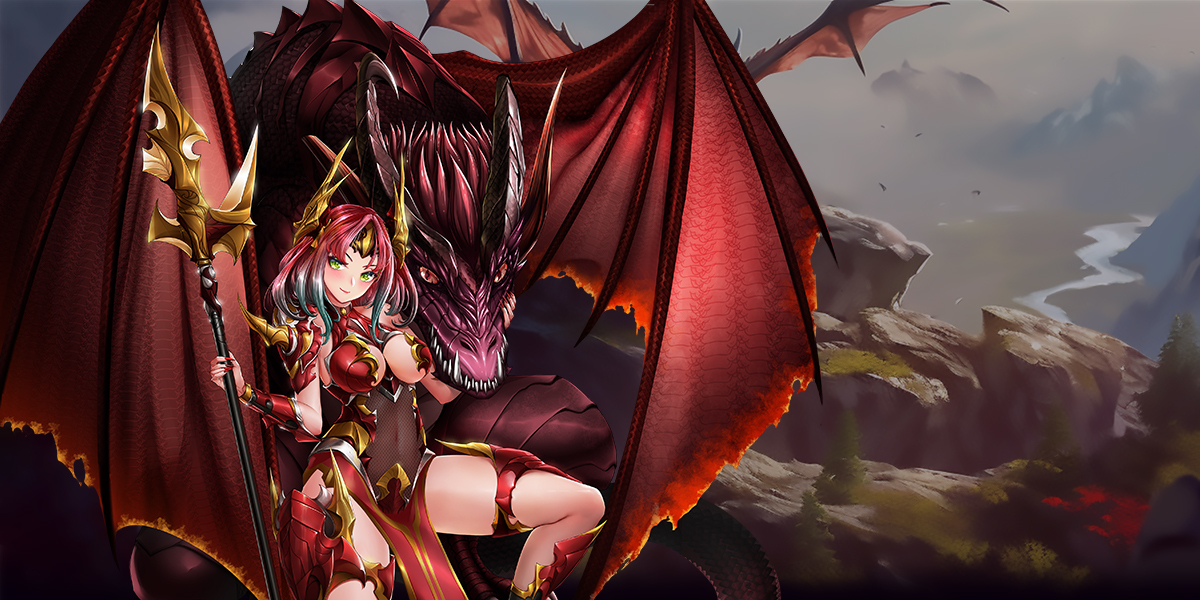 The resurrection of dragon queens transcends mere fantasy spectacle—it embodies a profound psychological exploration of transformation, trauma, and the reclamation of identity. Through the lens of Carl Jung’s archetypes, these figures serve as mirrors reflecting societal anxieties, repressed desires, and the cyclical nature of power. Rebirth in dragon queens is rarely passive; it is a violent, intentional act of self-reinvention, often triggered by trauma, betrayal, or the fulfillment of prophecy. Their narratives expose the duality of destruction and creation, where liberation and tyranny coexist in the same mythic framework. By examining real-world parallels—from political martyrs to religious symbols and modern cultural icons—this section dissects how audiences project their own aspirations and fears onto these figures, reshaping them into archetypes of resilience or warning. Jungian Archetypes and the Dragon Queen’s Psychological TransformationDragon queens occupy a liminal space in fantasy narratives, embodying multiple Jungian archetypes that evolve through their rebirth. The Shadow—the repressed, often monstrous aspect of the self—manifests in their pre-rebirth states, where isolation, vulnerability, or moral ambiguity define their existence. The Wise Old Woman, a symbol of hidden knowledge and transformation, frequently appears as a mentor or prophetic figure guiding their resurrection (e.g., Melisandre’s role in A Song of Ice and Fire). Meanwhile, The Heroine archetype emerges post-rebirth, marked by invincibility, leadership, and a mandate to reshape the world—yet this transformation is rarely clean. The dragon queen’s rebirth forces an confrontation with the Anima/Animus, the unconscious feminine/masculine within, often resulting in a hybrid identity that challenges binary perceptions of power. The process of rebirth itself mirrors Jung’s concept of individuation—the psychological journey toward wholeness. For dragon queens, this involves:"The dragon is the unconscious made visible. Its rebirth is not an escape from trauma but a confrontation with it—a alchemical process where pain is transmuted into power." —Adapted from Jung’s The Red Book and fantasy archetypal analysis. Case Study: Trauma and Resurrection in GoT’s Viserion and Critical Role’s TiamatThe rebirth of dragon queens is rarely detached from personal or collective trauma, and two standout examples—Viserion (Game of Thrones) and Tiamat (Critical Role)—illustrate how past suffering shapes their resurrection narratives. Viserion’s Rebirth: The Cost of Survival Viserion’s resurrection in Game of Thrones (Season 6) is a study in sacrificial trauma. His initial death at the hands of Daenerys is not just a loss of power but a symbolic castration—stripped of his dragon form, he is reduced to a human-like state before being reborn as a white dragon. His resurrection is tied to:Real-World Parallels: Rebirth in Power StructuresThe trope of rebirth extends beyond fantasy, appearing in political, religious, and cultural narratives where figures rise from symbolic or literal death to reclaim authority. These parallels reveal how societies mythologize resilience, vengeance, and reinvention. Political Leaders: Martyrdom and the Resurrection of LegitimacyThe Duality of Dragon Queen Rebirths: Destruction and CreationThe most compelling dragon queen rebirths oscillate between liberation and tyranny, reflecting the duality of power itself. This tension is best illustrated by Daenerys Targaryen’s arc in A Song of Ice and Fire, where her rebirth as a conqueror mirrors historical and mythic figures who destroy to create. Destruction as a Path to Creation*"The dragon |
Leave a Comment
Comments are moderated before appearing. The data you submit is processed according to the Privacy Policy of Vetlife Archive.