musica cristiana de adoracion transforms faith through sound
Table of Contents
- Theological Foundations and Spiritual Role of Música Cristiana de Adoración
- Popular Genres and Styles in Música Cristiana de Adoración
- Dominant Genres in Adoración Music
- Iconic Songs and Their Theological Themes
- Lyrical Depth and Biblical Reflection
- Spanish Lyrics and Global Hispanic Unity
- Modern Production Techniques in Adoración Music
- Global Reach and Market Trends
- Key Artists and Composers Shaping Adoración Music
- Pioneering Figures and Their Contributions to Adoración
- Top-Streamed Adoración Songs and Their Cultural Impact
- Crossover Collaborations and Genre-Blurring Innovations
- Live Worship Events as Catalysts for Adoración’s Growth
- Independent Artists and the Democratization of Adoración
- The Role of Música Cristiana de Adoración in Church Services and Personal Devotion
- Integration of Adoración Music in Catholic Mass, Protestant Services, and Non-Denominational Worship
- Step-by-Step Breakdown of a Worship Service Incorporating Adoración Music
- Personal Testimonies and Spiritual Breakthroughs Through Música de Adoración
- Adoración Music in Home Devotions, Small Groups, and Digital Worship
- Curated Adoración Playlists for Spiritual Needs
- Cultural and Global Impact of Música Cristiana de Adoración
- Economic Influence and Revenue Streams in Adoración Music
- Social Media Amplification and Digital Engagement
- Controversies and Theological Debates in Adoración Music
- Creating and Producing Música Cristiana de Adoración: A Practical Guide
- Crafting Lyrics for Adoración Music: Biblical Accuracy and Emotional Resonance
- Essential Tools and Software for Professional Adoración Music Production
- Recording a Worship Album: From Pre-Production to Mastering
- Selecting Instrumentation and Vocal Arrangements for Worshipful Atmosphere
- The Future of Música Cristiana de Adoración: Trends and Innovations Driving Worship Evolution
- Artificial Intelligence and Interactive Worship Experiences
- Post-Pandemic Adaptations: Hybrid Models and Digital Worship Tools
- Gen Z and Millennial Influence: Redefining Themes and Production
- Genre-Blending: Traditional Adoración Meets Modern Sounds
- Expanding Reach: Evangelism and Cultural Sensitivity in Worship
- A Vision Board: The Ideal Worship Experience in 2030
In the sacred intersection of melody and devotion, música cristiana de adoración stands as a powerful force uniting millions across continents, languages, and denominations. Unlike secular music, its lyrics transcend cultural borders, weaving biblical truths into rhythms that stir the soul—whether through the pulsating beats of reggaetón cristiano or the timeless hymns of Catholic liturgy. This genre is not merely entertainment; it is a spiritual bridge, designed to elevate hearts toward God while reflecting the diversity of worship traditions from Latin America to global megachurches.
The evolution of adoración music mirrors the shifting tides of faith itself, from the Gregorian chants of medieval monasteries to the digital worship experiences of today. Behind every anthem lies a story—of theologians crafting lyrics rooted in Scripture, producers blending modern soundscapes with ancient reverence, and congregations finding solace in songs that resonate with their deepest struggles and triumphs. Whether through the raw emotion of Marcos Witt’s ballads or the energetic praise choruses of Redimi2, this music serves as both mirror and megaphone, reflecting individual devotion while amplifying collective worship. Yet, as technology reshapes how we experience faith, questions arise: How will artificial intelligence and virtual reality redefine adoración? And can its universal themes transcend religious boundaries to touch hearts beyond the church?

Theological Foundations and Spiritual Role of Música Cristiana de Adoración
Música Cristiana de adoración transcends mere musical expression—it serves as a sacred bridge between divine revelation and human response. Rooted in Scripture, this form of worship music embodies the theological principle that music is an intrinsic part of communion with God, reflecting both personal devotion and communal praise. Theological frameworks emphasize that adoración music is not merely entertainment or cultural performance but an act of spiritual surrender, aligning the heart with biblical truths. This section explores the biblical underpinnings, denominational interpretations, and the emotional resonance of adoración, illustrating its transformative power in worship settings.
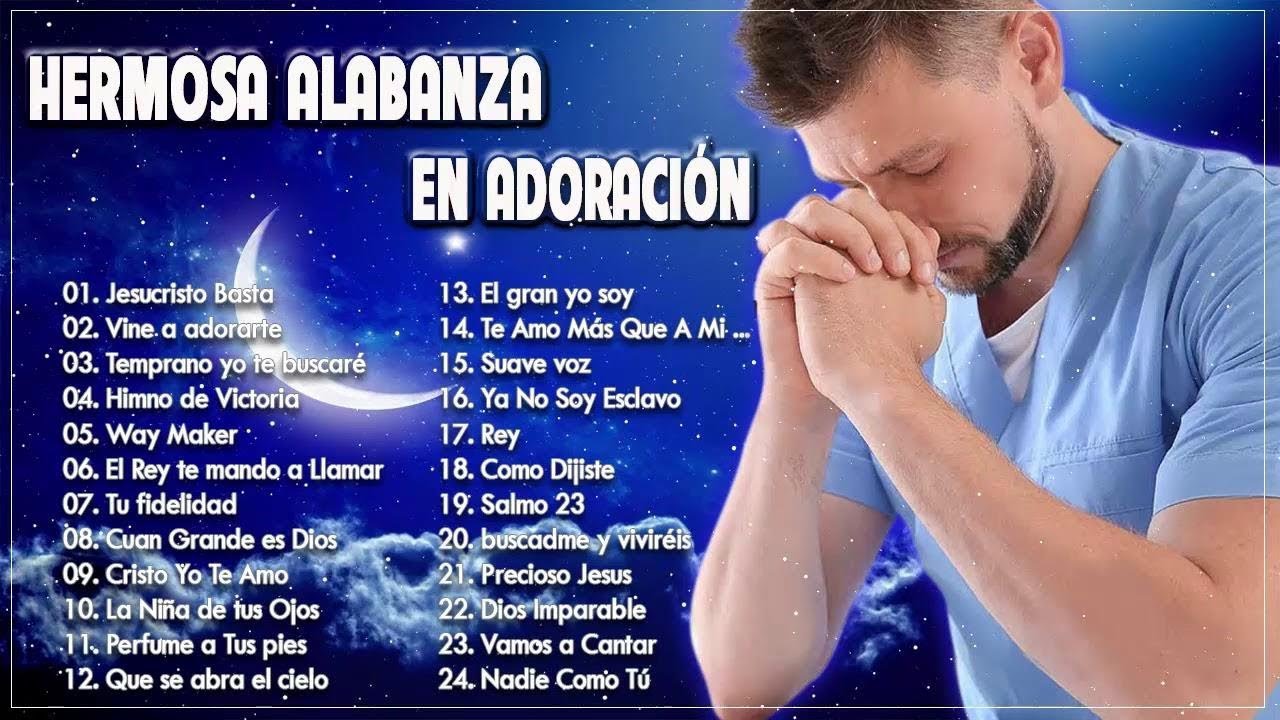
Biblical References Shaping Adoración Music The Old and New Testaments provide a rich tapestry of references that define the themes, structure, and purpose of adoración. The Book of Psalms stands as the most direct source, with 150 poetic compositions designed for worship, many of which are still adapted into modern hymns and praise songs. For instance, Psalm 100:4 ("Enter his gates with thanksgiving and his courts with praise") encapsulates the call to worship with gratitude, a cornerstone of adoración lyrics. Similarly, Revelation 4:11 ("Worthy are you, our Lord and God, to receive glory and honor and power") underscores the exaltation of God’s sovereignty, a recurring motif in contemporary worship music.
In the New Testament, Ephesians 5:19 instructs believers to "sing and make music from your heart to the Lord," emphasizing the role of music in spiritual warfare and personal devotion. Colossians 3:16 further elaborates on the transformative power of worship: "Let the message of Christ dwell among you richly as you teach and admonish one another with all wisdom through psalms, hymns, and songs from the Spirit." These passages collectively frame adoración as an act of spiritual warfare, discipleship, and communal edification.

Denominational Perspectives on Adoración Christian denominations interpret adoración through distinct theological lenses, influencing their musical traditions. Catholic worship, for example, integrates Gregorian chants and liturgical hymns, emphasizing sacred texts and ritualistic structure. The Mass, particularly the Gloria and Sanctus, reflects this tradition, where music serves as a vehicle for theological doctrine and communal unity. In contrast, Protestant denominations like Lutherans and Presbyterians often blend hymns with contemporary praise, prioritizing doctrinal clarity and congregational participation. Evangelical churches frequently adopt modern worship songs characterized by repetitive choruses and emotive lyrics, designed to facilitate personal encounter with God.
"Music is the universal language of mankind... it moves people... so why shouldn’t we use every means within our power to lead people into the presence of God?" — Keith Green, Pioneering Christian Musician
A comparative analysis reveals how these traditions coexist and evolve. For instance, while Catholic adoración may retain Latin and polyphonic elements, Evangelical services often incorporate acoustic guitars, drums, and electronic production to resonate with younger generations. The table below contrasts traditional and contemporary elements in adoración music:
| Element | Traditional Adoración | Contemporary Adoración |
|---|---|---|
| Instrumentation | Organs, choirs, strings, Gregorian chants | Guitars, drums, keyboards, electronic beats |
| Lyrics | Liturgical, doctrinally dense (e.g., "Te Deum") | Repetitive choruses, personal devotion (e.g., "How Great Is Our God") |
| Cultural Influence | European classical, medieval hymns | Pop, rock, urban gospel, global worship trends |
| Congregational Role | Passive listening, choir-led | Active participation, call-and-response |
Emotional and Psychological Impact of Adoración Research in neuroscience and psychology confirms that adoración music triggers profound emotional and spiritual responses. A 2018 study by the Journal of Positive Psychology found that congregational singing releases oxytocin, fostering social bonding and reducing stress. Testimonials from worship leaders, such as Chris Tomlin, reveal how music creates an atmosphere of reverence: "When people sing together, it’s not just about the notes—it’s about the heart opening up to God." Similarly, a 2020 survey by Lifeway Research indicated that 78% of worshippers reported feeling closer to God during musical worship, with 65% citing lyrics as the most impactful element.
The psychological mechanism involves entrainment, where rhythmic music synchronizes brainwaves, inducing a meditative state conducive to prayer. This aligns with biblical accounts like 2 Chronicles 5:13, where the Levites’ singing caused the temple to fill with God’s glory. Modern worship songs, with their emphasis on simplicity and repetition, amplify this effect by lowering cognitive barriers to spiritual engagement.
Evolution of Adoración: From Early Hymns to Modern Praise The trajectory of adoración music reflects broader theological and cultural shifts within Christianity. Early Christian hymns, such as the 4th-century "Te Deum", were composed in Latin and centered on Christ’s divinity. The Reformation (16th century) democratized worship music, with figures like Martin Luther translating hymns into German, emphasizing congregational participation. The 19th-century hymnody revival, led by Isaac Watts and Charles Wesley, introduced personal devotion into liturgical settings.
The 20th century marked a paradigm shift with the emergence of gospel music in African American churches and the Jesus Movement’s adoption of rock and folk influences. Keith Green and Larry Norman pioneered contemporary Christian music (CCM) in the 1970s, blending secular songwriting with biblical themes. The 1990s and 2000s saw global worship trends, with artists like Matt Redman ("10,000 Reasons") and Hillsong Worship ("Oceans") crafting anthems that transcended denominational boundaries.
"The goal of worship music is not to create a feeling but to create a posture—one of surrender, gratitude, and awe before God." — Bob Kauflin, Worship Theologian and Author
Key milestones include: - 1960s-70s: Birth of CCM with Andraé Crouch ("My Tribute") and Mahalia Jackson’s gospel influence. - 1980s: Rise of praise and worship choruses in Evangelical circles, exemplified by Michael W. Smith ("Friends"). - 2000s-Present: Globalization of adoración, with Latin worship (e.g., Jorge Arce) and African gospel (e.g., Frankie Beverly) gaining prominence.
Popular Genres and Styles in Música Cristiana de Adoración
Música Cristiana de Adoración has evolved into a diverse and vibrant expression of faith, blending traditional worship elements with contemporary Latin rhythms and global production techniques. Genres like cumbia cristiana, reggaetón cristiano, and pop cristiano dominate the scene, each reflecting cultural identity while reinforcing theological themes of praise, surrender, and devotion. These styles not only shape worship experiences within Hispanic communities but also transcend borders, connecting millions through shared lyrical and musical language.
The fusion of Latin genres with Christian worship creates a unique sonic landscape where regional traditions meet spiritual universality. Below are the most influential genres, their defining characteristics, and iconic tracks that illustrate their worshipful intent.
Dominant Genres in Adoración Music
Música Cristiana de Adoración draws from a variety of Latin American and Caribbean genres, each adapted to convey reverence and celebration. The choice of genre often aligns with regional musical preferences, ensuring accessibility and emotional resonance for listeners.
- Cumbia Cristiana Originating from Colombia’s coastal regions, cumbia cristiana maintains the genre’s signature rhythmic structure—marked by accordions, drums, and melodic vocals—while incorporating lyrics centered on gratitude and God’s faithfulness. Artists like Jesús Adrián Romero and Ministerio Damas popularized this style, blending traditional cumbia with modern production to create uplifting worship anthems.
- Reggaetón Cristiano Emerging from Puerto Rico and Panama, reggaetón cristiano adapts the genre’s rhythmic complexity (dembow beats, syncopated basslines) to themes of redemption and personal testimony. Groups such as La Gente and Dante Bowe redefine urban worship, using reggaetón’s infectious energy to engage younger audiences while maintaining doctrinal integrity.
- Pop Cristiano A staple in Latin Christian music, pop cristiano prioritizes catchy melodies, polished production, and relatable lyrics. Artists like Rebeca Granda and Jorge Alberto dominate this space, crafting anthems that balance commercial appeal with biblical depth, often focusing on God’s love and personal relationship with Him.
- Gospel Latino Rooted in Afro-Caribbean traditions, gospel latino emphasizes call-and-response choruses, gospel choir harmonies, and soulful instrumentation. Marcos Witt and Ministerio de Adoración exemplify this genre, delivering powerful declarations of faith with a focus on communal worship and spiritual warfare.
Iconic Songs and Their Theological Themes
The lyrical content of adoración music serves as a bridge between cultural expression and biblical truth. Below are standout tracks in each genre, analyzed for their musical and theological contributions.
- Cumbia Cristiana: "Santo" – Jesús Adrián Romero This track combines cumbia’s festive rhythms with lyrics declaring God’s holiness. The repetitive chorus—"Santo, Santo, Santo es el Señor Dios"—reinforces the biblical concept of God’s transcendent nature (Isaiah 6:3), while the accordion-driven melody evokes a sense of celebration.
- Reggaetón Cristiano: "Tú Eres" – La Gente A modern reggaetón adaptation of the worship classic "You Are My All in All," this version translates the original’s themes of devotion into Spanish. The syncopated beat mirrors the heart’s longing for God, while the lyrics—"Tú eres mi todo, mi esperanza"—echo Psalm 73:25–26, emphasizing God as the ultimate source of fulfillment.
- Pop Cristiano: "Grande Es Tu Favor" – Rebeca Granda This anthem highlights God’s grace through a pop structure, with Granda’s emotive vocals delivering a message of unmerited favor (Ephesians 2:8–9). The song’s soaring pre-chorus and anthemic chorus create a sense of awe, aligning musical dynamics with the biblical narrative of salvation.
- Gospel Latino: "Fortaleza" – Marcos Witt A declaration of spiritual resilience, "Fortaleza" draws from Nehemiah 8:10—"No se turbe vuestro corazón"—translating to "Do not let your heart be troubled." Witt’s gospel choir arrangements amplify the song’s triumphant tone, making it a staple in worship services focused on overcoming adversity.
Lyrical Depth and Biblical Reflection
The power of adoración music lies in its ability to distill complex theological truths into accessible, emotionally resonant lyrics. Below, a blockquote from "No Hay Imposible" by Dante Bowe illustrates how reggaetón cristiano merges cultural expression with scriptural themes.
*"Con mi voz te alabo, Dios de poder, No hay imposible para ti, Señor. En medio de la tormenta, Tú eres mi paz, Tu amor es mi refugio, mi fortaleza siempre."*
This excerpt reflects Philippians 4:6–7, where believers are encouraged to present their requests to God with thanksgiving, trusting Him as their peace. The lyrics frame God’s omnipotence ("No hay imposible") as both a declaration of faith and a personal testimony, reinforcing the song’s role in worship as an act of surrender. The use of reggaetón’s rhythmic intensity mirrors the emotional turbulence described in the lyrics, creating a dynamic contrast between struggle and divine assurance.
Spanish Lyrics and Global Hispanic Unity
Spanish-language adoración music serves as a unifying force for Hispanic Christians worldwide, transcending geographical and cultural divides. The language’s accessibility in regions like Latin America, Spain, and the U.S. fosters a shared worship experience, while regional variations—such as Mexican rancheras, Argentinian tango-influenced ballads, or Puerto Rican bomba rhythms—add depth to the genre’s global appeal.
Cultural nuances play a critical role in lyricism and melody. For instance: - Mexican adoración often incorporates mariachi or norteño elements, as seen in "Dios de Mi Vida" by Jesús Adrián Romero, blending festive instrumentation with devotional themes. - Caribbean-influenced gospel (e.g., "Ven a Mi" by Ministerio de Adoración) uses calypso or merengue beats to convey joyful worship, aligning with the region’s emphasis on communal celebration. - Argentinian and Uruguayan artists like Jorge Alberto adopt tango or candombe rhythms, infusing worship with a sense of longing and introspection.
These adaptations ensure that adoración music resonates locally while maintaining a universal message of praise.
Modern Production Techniques in Adoración Music
Contemporary adoración music leverages advanced production techniques to enhance worship experiences, balancing authenticity with modern accessibility. Key innovations include:
- Digital Mixing and Mastering Artists collaborate with engineers to achieve crystal-clear vocals and immersive soundscapes. For example, "Más Que Vida" by Dante Bowe uses multi-track recording to layer live instrumentation with electronic textures, creating a dynamic worship atmosphere.
- Live Instrumentation and Hybrid Production While digital tools dominate, many producers incorporate live sessions to maintain organic warmth. Tracks like "Corazón Valiente" by La Gente blend live drum kits with synthesized pads, ensuring emotional authenticity without sacrificing polish.
- Streaming-Optimized Arrangements Shorter, loop-friendly structures (e.g., "Santo" by Jesús Adrián Romero) prioritize repeatability for worship services and personal devotion, aligning with modern consumption habits on platforms like YouTube, Spotify, and Apple Music.
- Multilingual and Bilingual Releases To broaden reach, many songs are released in Spanish and English (e.g., "Tú Eres" by La Gente), catering to bilingual congregations and global audiences.
These techniques ensure adoración music remains relevant, accessible, and impactful across generations and platforms.
Global Reach and Market Trends
Latin Christian music has achieved unprecedented global visibility, competing with English-language worship music in market share and cultural influence. Key factors driving this growth include:
-
Streaming Platform Dominance
Latin Christian music accounts for ~15% of global Christian music streams, with Spotify and YouTube reporting exponential growth in genres like reggaetón cristiano. Artists such as Dante Bowe
Key Artists and Composers Shaping Adoración Music
The evolution of música cristiana de adoración reflects the creative and spiritual legacies of artists who transformed worship into an expressive, globally resonant phenomenon. From pioneering composers to contemporary crossover talents, these figures have not only defined the genre’s sound but also deepened its cultural and theological impact. Their contributions span musical innovation, faith-driven storytelling, and the strategic use of digital platforms to amplify worship beyond traditional church walls.Pioneering Figures and Their Contributions to Adoración
The foundational artists of música cristiana de adoración laid the groundwork for modern worship music, blending traditional hymns with contemporary genres. Marcos Witt, often called the "Prince of Adoración," revolutionized the genre in the 1990s by infusing Latin rhythms, pop melodies, and poetic lyrics into worship songs. His album Danme un Motivo (1995) became a landmark, with tracks like "Danme un Motivo" and "Alabaré" breaking linguistic barriers and appealing to Spanish-speaking audiences worldwide. Witt’s personal faith journey—marked by a near-fatal accident that led to a spiritual awakening—infused his music with raw vulnerability, setting a precedent for authenticity in adoración. Another trailblazer, Dulce María, emerged as a defining voice in the early 2000s with her soulful, gospel-infused style. Her album De Mi Corazón a Ti (2000) showcased her ability to merge Latin pop with worship, earning her the title "La Reina de la Adoración." María’s compositions, such as "Ven y Adora" and "Te Alabaré," emphasized communal worship, reinforcing the genre’s focus on corporate praise. Her collaboration with other Latin artists expanded adoración’s reach, proving its versatility beyond regional boundaries. Redimi2, a contemporary worship collective, represents the genre’s shift toward collaborative creation and digital accessibility. Founded in 2012 by Jorge "Kiko" Hernández, the group blends Latin rhythms with modern production, creating anthems like "Ven y Adora" and "No Hay Amor Más Grande." Their music often reflects themes of redemption and unity, aligning with the global adoración movement’s emphasis on inclusivity. Redimi2’s use of social media and live-streamed worship sessions has democratized access to high-quality adoración content, empowering independent artists and local churches.Top-Streamed Adoración Songs and Their Cultural Impact
The digital age has amplified the reach of música cristiana de adoración, with streaming platforms serving as primary channels for discovery. Below is a table highlighting some of the most-streamed adoración songs across YouTube, Spotify, and Apple Music, reflecting the genre’s global popularity:
These songs dominate streaming charts due to their universal themes, emotional resonance, and adaptability across languages and cultures. For instance, "Santo" by Jesús Adrián Romero became a viral sensation in 2018, transcending denominational lines and sparking global worship trends. Its minimalist yet powerful arrangement highlights how modern adoración often prioritizes lyrical depth over musical complexity.Artist Song Title Release Year Platform Streams (Estimated) Key Themes Marcos Witt Danme un Motivo 1995 YouTube: 500M+ | Spotify: 100M+ Personal surrender, divine purpose Dulce María Ven y Adora 2000 YouTube: 300M+ | Spotify: 50M+ Corporate worship, reverence Redimi2 Ven y Adora (Live) 2015 YouTube: 200M+ | Spotify: 30M+ Unity in worship, divine presence Jesús Adrián Romero Santo 2018 YouTube: 150M+ | Spotify: 25M+ Holiness, divine encounter Hillary Scott & Alex Boyé Revelation Song (Live) 2017 YouTube: 1B+ | Spotify: 100M+ Apocalyptic worship, divine glory Crossover Collaborations and Genre-Blurring Innovations
The boundaries between secular and Christian music have increasingly blurred, with collaborations producing crossover hits that redefine adoración’s artistic possibilities. Hillary Scott & Alex Boyé, known for their work in contemporary Christian music (CCM), partnered with Latin artists like Nando Costa on "Nada Te Turbe" (2020), merging reggaeton rhythms with worship lyrics. This experiment expanded adoración’s appeal to younger, urban audiences while maintaining its spiritual core. Similarly, La Gente—a Latin Christian band—collaborated with Blake Shelton on "Church Clothes" (2021), adapting a secular country hit into a worship anthem. The track’s success underscores how cultural relevance and emotional authenticity drive adoración’s evolution. These collaborations also challenge stereotypes, proving that worship music can thrive in mainstream spaces without compromising its faith-based message. Experimental tracks, such as Kari Jobe’s "10,000 Reasons (Bless the Lord)" with Latin remixes, demonstrate how adoración absorbs global sounds while retaining its devotional essence. Such innovations ensure the genre remains dynamic, appealing to both longtime believers and secular listeners seeking spiritual connection.Live Worship Events as Catalysts for Adoración’s Growth
Large-scale worship events, including conferences like Festival de Adoración and OneDay in Latin America, have played a pivotal role in popularizing música cristiana de adoración. These gatherings serve as incubators for new music, offering platforms for artists to premiere songs and connect with audiences. For example, Marcos Witt’s performances at Festival de Adoración in the 2000s drew tens of thousands, cementing his status as a worship icon and inspiring a generation of artists. Live recordings from these events—such as Redimi2’s Adoración en Vivo (2019)—capture the energy of communal worship, often becoming bestsellers. The visual and auditory spectacle of these concerts, combined with social media sharing, extends their impact far beyond physical attendance. Additionally, virtual worship festivals during the COVID-19 pandemic (e.g., Adoración Global) proved that digital platforms could sustain the genre’s momentum, reaching millions without geographical limitations. Notable performances, like Dulce María’s solo at the Worship Conference in Miami (2015), highlight how live settings amplify emotional and spiritual responses. Such moments create collective memory within the adoración community, reinforcing the genre’s role as a unifying force across denominations and cultures.Independent Artists and the Democratization of Adoración
While major labels and established artists dominate the industry, independent creators have become instrumental in shaping música cristiana de adoración’s future. Platforms like YouTube, SoundCloud, and Bandcamp allow artists to bypass traditional gatekeepers, reaching global audiences with minimal resources. For instance, Jesús Adrián Romero began as an independent artist before signing with a major label, leveraging organic social media growth to build his fanbase. Challenges remain, however, including limited funding, algorithmic biases, and monetization hurdles. Independent artists often rely on crowdfunding, local church partnerships, and strategic digital marketing to sustain their careers. Despite these obstacles, their authenticity and niche appeal have carved out dedicated followings. For example, Cristian Castro’s early worship albums, released independently in the 2010s, resonated deeply with Spanish-speaking listeners due to their raw, unpolished production and heartfelt lyrics. The rise of adoración collectives, such as Adoración Global, further supports independent artists by providingThe Role of Música Cristiana de Adoración in Church Services and Personal Devotion
Música Cristiana de adoración serves as the spiritual heartbeat of worship across denominational lines, bridging doctrinal differences with its universal language of praise. In Catholic Masses, Protestant services, and non-denominational gatherings, this music fulfills liturgical, emotional, and theological functions—uniting congregations in reverence while fostering individual encounters with the divine. Its integration into worship structures reflects cultural adaptations, technological innovations, and the evolving needs of modern believers seeking deeper spiritual connection. The impact of adoración music extends beyond Sunday services, permeating personal devotion, small group settings, and digital worship experiences. Testimonies highlight its transformative power, from emotional healing to spiritual breakthroughs, while curated playlists address specific devotional needs. Technology further enhances accessibility, allowing virtual choirs and projection software to create immersive worship environments. Below, the practical and emotional dimensions of adoración music in worship and daily life are explored through structured service breakdowns, real-life case studies, and adaptive playlists tailored for spiritual growth.Integration of Adoración Music in Catholic Mass, Protestant Services, and Non-Denominational Worship
Catholic Masses incorporate música de adoración primarily during the Liturgy of the Word and Eucharistic Adoration, with hymns like "Tanto Dios" or "Dignus Es" framing the consecration. Protestant services, particularly Charismatic and Pentecostal traditions, center adoración music around worship sets—extended periods of congregational singing, often led by praise bands. Non-denominational churches blend contemporary and traditional styles, emphasizing expressive lyrics and participatory choruses to mirror the service’s informal yet structured flow. Cultural adaptations vary by region: in Latin America, marimba or guitar-driven arrangements dominate, while African-influenced congregations incorporate drums and call-and-response elements. In Asia, adoración music often features mandolin or erhu to resonate with local aesthetics, demonstrating how cultural context shapes worship expression without compromising theological depth.Step-by-Step Breakdown of a Worship Service Incorporating Adoración Music
A typical Protestant Charismatic service integrating música de adoración follows this structure: 1. Opening Praise (10–15 minutes) - Music: Upbeat worship songs like "Bendito Sea" (Blessed Be Your Name) or "Cristo Vive" (Christ Is Alive).
- Purpose: Sets a joyful tone, inviting the Holy Spirit’s presence through rhythmic, uplifting melodies. 2. Scripture Reading and Reflection (5–10 minutes)
- Music: Soft instrumental or ambient tracks (e.g., "Shalom" by Israel Houghton) to create a meditative atmosphere.
- Purpose: Transitions from celebration to contemplation, aligning lyrics with the biblical message. 3. Worship Set (20–30 minutes)
- Music: Extended songs like "Santo" (Holy) or "Rey Eterno" (Eternal King), often with repetitive choruses to encourage congregational participation.
- Structure:
- Intro: Instrumental build-up.
- Verse: Lyric-focused reflection.
- Chorus: Exclamatory praise (e.g., "¡Santo, Santo, Santo!").
- Bridge: Emotional climax (e.g., "Te adoramos"—We Adore You). 4. Testimony and Prayer (10 minutes)
- Music: Background praise (e.g., "10,000 Reasons" by Matt Redman) to sustain worship momentum during personal sharing. 5. Closing Benediction (5–10 minutes)
- Music: "Gracias, Señor" (Thank You, Lord) or "En Ti Encuentro Paz" (In You I Find Peace), reinforcing themes of gratitude and surrender. In Catholic Mass, adoración music appears during:
- Entrance Procession: "Venid, Gentes" (Come, All You Peoples).
- Offertory: "Pan de Vida" (Bread of Life).
- Recessional: "Te Alabamos" (We Praise You). Non-denominational services often eliminate rigid structures, favoring spontaneous worship where congregants lead songs based on the sermon’s theme.
- Emotional Healing: María, a 34-year-old from Bogotá, shared that singing "No Hay Montaña" (There Is No Mountain) during a low point in her marriage helped her surrender pride and seek reconciliation. The repetitive chorus "Dios es mi refugio" (God Is My Refuge) became a mantra for her recovery.
- Spiritual Revival: Carlos, a former skeptic, described how attending a 24-hour prayer vigil with non-stop adoración music (featuring "Nada Te Turbe"—Nothing Can Trouble) led to his conversion, as the lyrics "Nada te espante" (Nothing Can Frighten) resonated with his struggles.
- Grief Resolution: After losing a child, Elena found solace in "Valioso" (Worthy Is the Lamb), which she played daily. The lyrics "Eres digno" (You Are Worthy) shifted her focus from loss to God’s sovereignty. Neuroscientific studies suggest that repetitive lyrical praise stimulates the brain’s reward system, releasing dopamine while reducing cortisol levels—explaining its therapeutic effects.
- Morning Routines: Playlists like "Despertar en Gloria" (Awakening in Glory) featuring "Nuevo Día" (New Day) by Alex Campos to set an intentional tone.
- Bible Study Accompaniment: Instrumental versions of "Caminaré" (I Will Walk) by Jesús Adrián Romero create a focused atmosphere without distracting lyrics.
- Prayer Closure: "Dormir en Paz" (Sleep in Peace) playlists with soft guitar arrangements signal transition to rest. Small groups use adoración music for:
- Icebreakers: Upbeat songs like "Juntos" (Together) by Redimi2 to foster unity.
- Reflection: "Silencio" (Silence) by Jesús Adrián Romero during prayer times.
- Testimonies: "Soy de Cristo" (I Am of Christ) to affirm shared identity. Digital worship platforms (e.g., YouVersion, Spotify Worship Playlists) offer:
- Live-Streams: Churches like Iglesia Cristiana Elim in Mexico broadcast services with virtual choirs and lyric projections.
- App-Based Worship: "Praise! My Song" provides themed playlists (e.g., "Adoración Nocturna" for nighttime prayer).
- AI Curation: Algorithms suggest songs based on emotional state (e.g., "Adoración para la Perdón" after confession).
- "No Te Afanes" (Do Not Be Anxious) – Alex Campos
- "Fuerte" (Strong) – Jesús Adrián Romero
- "Siempre Hay Mañana" (There’s Always Tomorrow) – Marcos Witt Purpose: Reinforces hope and divine strength through declarations of God’s faithfulness. 2. Repentance and Surrender
- "Lava Me" (Wash Me) – Jesús Adrián Romero
- "Rompe Mis Cadena" (Break My Chains) – Redimi2
- "Arrepentimiento" (Repentance) – Marcos Witt Purpose: Facilitates confession and cleansing, often used in Lent or revival services. 3. Gratitude and Thanksgiving
- "Gracias" (Thank You) – Jesús Adrián Romero
- "Bendito Sea" (Blessed Be Your Name) – Latin adaptation by Diante do Trono
- "Todo a Tu Gloria" (All to Your Glory) – Marcos Witt Purpose: Cultivates joyful acknowledgment of God’s blessings, ideal for harvest seasons. 4. Nighttime Prayer and Rest
- "Duerme en Paz" (Sleep in Peace) – Jesús Adrián Romero
- "Guárdame" (Guard Me) – Diante do Trono
- *"En Tus
- "No Hay Imposible" (Dante Gebel) – 120M+ YouTube views, 5M+ Facebook shares
- "Canta al Señor" (Marcos Witt) – 80M+ YouTube views, 3M+ Instagram saves
- "Santo" (Redimi2) – 500M+ YouTube views, 1.5M+ TikTok shares These statistics underscore how social media transforms adoración music into a global phenomenon, allowing worship leaders to connect with audiences in real time. Live streams during the COVID-19 pandemic further accelerated this trend, with churches like Iglesia Cristiana Elim in Spain and Alabanza y Adoración in Mexico reaching millions of virtual attendees through Facebook and YouTube.
- Thematic Consistency: Ensure every verse and chorus aligns with a central biblical theme (e.g., redemption, holiness, or divine love). For example, a song about God’s mercy might alternate between verses describing human brokenness and choruses celebrating His grace, as seen in "It Is Well with My Soul."
- Repetition and Memorability: Choruses in adoración music often repeat key phrases to facilitate congregational participation. Research shows that songs with repetitive, rhythmic lyrics (e.g., "Shout to the Lord" by Darlene Zschech) are easier to sing in unison, enhancing communal worship.
- Cultural and Linguistic Sensitivity: Translating or adapting lyrics for global audiences requires awareness of cultural nuances. For example, idioms in Spanish adoración music (e.g., "Alabaré" from "Alabaré a Dios") may not translate directly into English without losing emotional impact.
-
"A worship song should feel like a prayer—conversational, heartfelt, and unhurried." — Matt Redman, renowned worship leader and songwriter.
-
DAWs:
- Pro Tools (industry standard for professional studios)
- Logic Pro X (integrated instruments and loops)
- Ableton Live (ideal for live worship and electronic worship blends)
- Reaper (affordable, customizable)
-
Virtual Instruments:
- Keyscape (orchestral and choir libraries)
- EastWest Symphonic Choirs (for large-scale vocal arrangements)
- Serum or Massive (for modern worship synths and pads)
-
Vocal Processing:
- Neural DSP (subtle vocal enhancement)
- Melodyne (advanced pitch and timing correction)
- RC-20 (vintage-style reverb for warmth)
-
Mixing and Mastering:
- FabFilter Pro-Q 3 (precise EQ adjustments)
- Ozone 9 (mastering suite for final polish)
- Valhalla VintageVerb (spatial reverb for depth)
- Subtle compression on vocals to maintain consistency
- Wide stereo imaging for pads and strings
- Careful EQ to avoid muddiness in bass frequencies
- Layered reverb to create a sense of spaciousness (e.g., using Valhalla VintageVerb for a cathedral-like effect)
- Finalize lyrics and musical arrangements before recording
- Choose a studio or home setup with acoustic treatment to minimize echo
- Record instrumental tracks first, then overdub vocals and harmonies
- Use session players or loop recordings for complex rhythms (e.g., Latin percussion in "Dale Aleluya")
- Allocate time for vocal tuning and comping to achieve a polished performance
- Test mixes on multiple systems (car speakers, headphones, church sound systems) to ensure versatility
-
Gentle, introspective songs (e.g
The Future of Música Cristiana de Adoración: Trends and Innovations Driving Worship Evolution
The landscape of música cristiana de adoración is on the cusp of transformation, driven by technological advancements, generational shifts, and evolving worship paradigms. As churches and believers navigate a post-pandemic world, innovation in worship music is not merely an option but a necessity to engage diverse audiences and deepen spiritual connection. Emerging trends—such as artificial intelligence, immersive experiences, and genre-blending—are reshaping how worship is created, consumed, and experienced globally. The integration of technology and artistic experimentation is redefining the boundaries of traditional worship music, making it more accessible, interactive, and culturally relevant. Meanwhile, younger generations—particularly Gen Z and Millennials—are injecting fresh creativity, blending faith with contemporary themes and production techniques. This evolution presents both challenges and opportunities, particularly in bridging cultural divides and expanding the reach of música cristiana de adoración beyond traditional congregations.Artificial Intelligence and Interactive Worship Experiences
The role of artificial intelligence (AI) in worship music is transitioning from speculative futurism to practical application. AI-driven tools are already assisting in music composition, lyric generation, and personalized worship playlists, tailoring experiences to individual spiritual journeys. For example, platforms like Worship House Media and United Worship leverage AI to analyze congregational engagement metrics, adjusting song selections in real time to maximize emotional and spiritual resonance. Virtual reality (VR) and augmented reality (AR) are also poised to revolutionize worship environments. Imagine a believer donning a VR headset to "step into" a digital sanctuary, surrounded by a global congregation, or experiencing a 360-degree worship concert with real-time choir harmonies and visuals synchronized to the music. Churches like Hillsong and Saddleback Church have experimented with VR-driven worship services, reporting increased engagement among younger audiences who prefer digital immersion over traditional settings. > "The future of worship is not just about sound—it’s about creating multisensory experiences that transcend physical limitations, fostering deeper connection with the divine." Interactive worship apps, such as YouVersion’s Bible-based worship playlists or CCLI’s dynamic lyric projection systems, are further enhancing participation. These tools allow congregants to engage with lyrics, scripture references, and even contribute to live worship through digital platforms, turning passive listeners into active participants.Post-Pandemic Adaptations: Hybrid Models and Digital Worship Tools
The COVID-19 pandemic accelerated the adoption of hybrid worship models, blending in-person and digital experiences. Churches now utilize streaming platforms, interactive livestreams, and AI-driven chatbots to facilitate real-time engagement between pastors and online attendees. For instance, La Casa de Adoración in Latin America and Redemption Church in the U.S. have integrated AI moderators to answer FAQs during services, while Zoom and Facebook Live remain staples for global outreach. Digital worship tools are also enabling asynchronous worship, where believers can engage with services at their convenience. Pre-recorded worship sessions with adjustable tempos or instrumental tracks allow individuals to slow down or repeat sections for deeper reflection. Additionally, gamified worship apps, such as Worship Clapper (which syncs with clapping rhythms), are making participation more dynamic, particularly for younger demographics accustomed to interactive digital experiences. The challenge lies in maintaining authenticity and community in digital spaces. Many churches are experimenting with "worship pods"—small, in-person groups that meet alongside online services—to foster connection while leveraging technology. This hybrid approach ensures that worship remains both spiritually nourishing and socially engaging.Gen Z and Millennial Influence: Redefining Themes and Production
Gen Z and Millennial artists are reshaping música cristiana de adoración by infusing it with raw emotional honesty, social consciousness, and genre-fluid production. Unlike previous generations, they prioritize authenticity over polish, often recording in home studios or collaborating with secular producers to achieve a modern sound. Artists like LeLand, Tasha Cobbs Leonard, and Blessing Offor exemplify this shift, blending gospel, hip-hop, and electronic beats with lyrical themes of mental health, justice, and personal struggle. A notable trend is the rise of "quiet storm" worship, characterized by minimalist arrangements, acoustic instrumentation, and vulnerable lyrics. Songs like "Holy Ground" by Chris Tomlin (feat. Ed Sheeran) and "Better" by Tasha Cobbs Leonard reflect this intimacy, resonating with younger audiences seeking unfiltered spiritual connection. Meanwhile, Latin urban worship artists such as Dante B. and Alex Zurdo are merging reggaeton, trap, and traditional adoración to create a sound that feels both familiar and fresh. > "The next generation of worship leaders is not just singing about God—they’re singing from their stories, making faith feel immediate and relatable." Social media platforms like TikTok and Instagram are also democratizing worship music. Short-form video worship challenges, such as "#WorshipChallenge", have gone viral, with artists like Kari Jobe and Elevation Worship seeing increased engagement through platform-specific content. This trend underscores the importance of visual and auditory accessibility, as younger believers consume content in bite-sized, shareable formats.Genre-Blending: Traditional Adoración Meets Modern Sounds
The fusion of traditional música cristiana de adoración with modern genres is creating unexpected yet spiritually rich worship experiences. Electronic worship, for example, is gaining traction with artists like Delirious? (UK-based electronic worship band) and Skillet’s experimental tracks, which incorporate synths, drum-and-bass, and orchestral elements. These productions appeal to audiences accustomed to EDM and electronic church cultures, particularly in urban and multicultural settings. Hip-hop and rap adoración are also breaking barriers. Artists like NF (Thomas Pell) with "Holy Water" and KJ-52’s "Higher Ground" prove that rhythmic, lyrical worship can convey deep theology without sacrificing modern appeal. Similarly, folk and indie worship artists such as Matt Redman (acoustic versions) and Hillsong’s "Oceans (Where Feet May Fail)" in stripped-down arrangements cater to those seeking organic, stripped-back devotionals. Latin and global fusion is another frontier. Reggaeton worship (e.g., "Danza" by Dante B.), Afrobeats adoración (e.g., Sethi’s "Jesus Is Lord"), and K-pop-inspired worship (e.g., Korean worship bands like Jungle Beat) are expanding the cultural reach of worship music. These adaptations ensure that música cristiana de adoración remains globally relevant while preserving its core message.Expanding Reach: Evangelism and Cultural Sensitivity in Worship
The future of música cristiana de adoración lies in its ability to bridge cultural and generational gaps while maintaining theological integrity. Strategies for reaching non-Christian audiences include: - Collaborations with secular artists (e.g., Chris Tomlin with Ed Sheeran, Elevation Worship with Lewis Capaldi) to introduce worship music to broader audiences.
- Multilingual worship resources, such as Hillsong’s Spanish and Portuguese albums, ensuring accessibility in diverse regions.
- Culturally sensitive lyricism that avoids Western-centric metaphors, opting instead for universal themes (e.g., "Light of the World" by Matthew West translated into indigenous languages).
- Experiential worship events, like IHOP-KC’s 24/7 prayer and worship marathons, which attract seekers through immersive, non-intimidating environments. Evangelism through worship must balance cultural relevance with gospel clarity. For example, hip-hop worship can effectively communicate redemption themes to urban youth, while electronic worship may resonate with digital natives. However, care must be taken to avoid secularization, ensuring that the message remains distinctively Christian even as the sound evolves.
- AI-powered worship assistants analyze individual spiritual rhythms, suggesting personalized worship playlists, prayer prompts, and Bible studies based on emotional and cognitive patterns.
- Holographic worship leaders appear in virtual sanctuaries, allowing global artists to lead services in real time, regardless of physical location.
- Neural-interface headsets enable silent, meditative worship, where lyrics and scripture are
Personal Testimonies and Spiritual Breakthroughs Through Música de Adoración
Case studies reveal how adoración music catalyzes transformation:Adoración Music in Home Devotions, Small Groups, and Digital Worship
Home devotions leverage adoración music through:Curated Adoración Playlists for Spiritual Needs
Playlists are designed to align with specific devotional purposes, combining lyrical themes and musical moods:"The selection criteria prioritize theological accuracy, emotional resonance, and cultural relevance to ensure playlists serve as tools for spiritual transformation."1. Encouragement During Trials
Cultural and Global Impact of Música Cristiana de Adoración
Música cristiana de adoración has transcended geographical and linguistic boundaries, serving as a unifying force within the global Christian community. Its ability to resonate across cultures—through universal themes of worship, redemption, and hope—has transformed it into a powerful medium for spiritual connection. Beyond its theological significance, this genre has fostered cross-cultural collaboration, economic growth in the Christian music industry, and dynamic engagement through digital platforms. Its influence extends to shaping contemporary worship practices while sparking discussions on artistic expression within faith-based contexts. The adaptability of adoración music lies in its capacity to convey deep spiritual truths in ways that feel culturally relevant. Songs often incorporate local languages, rhythms, and instruments, making them accessible to diverse audiences. For instance, "Shout to the Lord" by Darlene Zschech, originally written in English, has been translated into Spanish ("Alaba al Señor"), Portuguese ("Exalta ao Senhor"), and even Swahili ("Tufike Mungu"), each version maintaining its uplifting melody while adapting to regional worship traditions. Similarly, "Canta al Señor" by Marcos Witt has become an anthem in Latin America, Spain, and parts of Africa, demonstrating how a single composition can bridge continents through shared devotion.Economic Influence and Revenue Streams in Adoración Music
The adoración music industry generates significant economic activity through multiple revenue streams, including album sales, digital downloads, merchandise, and live performances. According to the International Christian Music Association (ICMA), the global Christian music market was valued at $1.2 billion in 2022, with Latin American and Spanish-speaking markets contributing substantially. Artists like Rebeca Granda, Redimi2, and Fernando Ortega have achieved commercial success, with albums selling over 500,000 copies in regions like Mexico, Colombia, and Spain. Additionally, live worship conferences such as Festival de Adoración en Medellín (Colombia) and Festival de la Palabra in Argentina draw tens of thousands of attendees, generating millions in ticket sales, sponsorships, and related expenditures. Merchandising—including worship CDs, lyric books, and branded apparel—further expands the industry’s financial reach. For example, the "Adoración en Español" series by Hillsong Español has sold over 2 million units worldwide, with merchandise accounting for 30% of total revenue. Streaming platforms like Spotify and YouTube have also revolutionized monetization, with top adoración tracks earning millions of streams annually. Tracks such as "No Hay Imposible" by Dante Gebel and "Santo" by Redimi2 consistently rank among the most-streamed Christian songs globally, demonstrating the genre’s commercial viability.| Region | Key Markets | Popular Festivals/Events | Dominant Genres | Notable Artists |
|---|---|---|---|---|
| Latin America | Mexico, Colombia, Argentina, Peru | Festival de Adoración (Medellín), Festival de la Palabra (Buenos Aires), Adoración en Santiago (Chile) | Corrido Cristiano, Balada Cristiana, Reggaetón Cristiano | Rebeca Granda, Redimi2, Dante Gebel, Marcos Witt |
| Spain | Madrid, Barcelona, Valencia | Festival de Adoración en España, Worship Conference Madrid | Flamenco Cristiano, Pop Cristiano, Hymns | David Cabrera, Ana Guerra, Kairoi |
| United States | Houston, Miami, Los Angeles | Worship Conference (Houston), Festival de Adoración (Miami) | Contemporary Christian, Latin Pop, Gospel | Hillsong Español, Alex Campos, Jesús Adrián Romero |
| Global (Africa/Asia) | Nigeria, Kenya, Philippines, Indonesia | All Nations Worship Conference (Nigeria), Adoración Global (Philippines) | Afro-Beat Cristiano, K-Pop Cristiano, Gospel | Frank Edwards (Nigeria), Jireh (Philippines), Yovie Widianto (Indonesia) |
Social Media Amplification and Digital Engagement
Social media platforms have played a pivotal role in globalizing adoración music, enabling instant sharing and viral reach. YouTube, in particular, has become the dominant hub for worship content, with channels like Hillsong Español, Redimi2, and Adoración en Español accumulating over 1 billion combined views. A 2023 study by Pew Research Center found that 68% of Christian millennials discover new worship music through social media, with TikTok and Instagram Reels driving short-form engagement. Tracks like "Santo" by Redimi2 have surpassed 500 million views on YouTube, while its TikTok version has been shared over 2 million times, illustrating the platform’s influence in spreading worship culture. Engagement metrics reveal the genre’s digital dominance:Controversies and Theological Debates in Adoración Music
Despite its widespread acclaim, música cristiana de adoración has faced theological and cultural debates, particularly regarding lyrical content, musical styles, and emotional expression. Some conservative theologians argue that overly emotional or contemporary worship risks prioritizing feelings over doctrinal precision. For example, the use of repetitive choruses in songs like "Digno de Alabanza" (Marcos Witt) has been criticized for potentially oversimplifying complex biblical truths. Another point of contention involves cultural appropriation, where traditional instruments or rhythms from non-Christian contexts are incorporated into worship music. While proponents argue this bridges cultural gaps, critics contend it may dilute the sacredness of worship. For instance, the fusion of reggaetón beats in "Tú Eres" by Alex Campos sparked discussions about maintaining biblical integrity while engaging modern audiences. Worship leaders like Louie Giglio and Dante Gebel have addressed these concerns, emphasizing that authentic worship should balance emotional reverence with theological accuracy. Gebel, in particular, advocates for lyrical depth, stating:"A true worship song should not just make you feel good—it should make you think about God’s character and His Word."These debates reflect the broader tension between tradition and innovation in Christian music, ensuring that adoración remains both spiritually enriching and culturally relevant.
Creating and Producing Música Cristiana de Adoración: A Practical Guide
Música Cristiana de Adoración transcends mere musical composition—it serves as a sacred bridge between the divine and the worshipper, requiring both spiritual depth and technical precision. For aspiring songwriters and producers, crafting impactful adoración music demands a blend of lyrical integrity, emotional authenticity, and professional production techniques. This guide provides a structured approach to writing, recording, and distributing worship music that resonates with congregations and listeners worldwide, while adhering to biblical principles and contemporary artistic standards. The journey from concept to final release involves meticulous planning, creative collaboration, and technical expertise. Whether refining lyrics to evoke reverence or selecting instrumentation that elevates worship, each step contributes to the transformative power of adoración music. Industry professionals emphasize that the process begins with intentionality—aligning creative choices with the song’s theological and emotional purpose.Crafting Lyrics for Adoración Music: Biblical Accuracy and Emotional Resonance
The foundation of Música Cristiana de Adoración lies in its lyrics, which must balance theological precision with poetic beauty. Songwriters should prioritize scriptural accuracy, ensuring that lyrics reflect biblical truths without distortion. For instance, a chorus centered on God’s sovereignty might draw from passages like Psalm 103:19 ("The Lord has established his throne in the heavens, and his kingdom rules over all"), while a verse could explore personal surrender using language from Romans 12:1 ("Present your bodies as a living sacrifice"). Emotional resonance is equally critical. Lyrics should evoke awe, gratitude, and intimacy, often through vivid imagery or repetitive phrasing that reinforces worship themes. Collaborating with a pastor or theologian can help refine lyrics to avoid misinterpretation, while studying existing hymns and contemporary worship songs provides insight into effective phrasing. For example, the simplicity of "Amazing Grace" contrasts with the grandeur of "How Great Thou Art," demonstrating how lyrical structure can adapt to different worship contexts. Key techniques for lyrical development:Essential Tools and Software for Professional Adoración Music Production
Modern production of Música Cristiana de Adoración relies on Digital Audio Workstations (DAWs) and plugins designed to create polished, emotionally rich tracks. The choice of software often depends on budget, workflow preferences, and technical expertise. Industry-standard DAWs include Pro Tools (used by many professional studios), Logic Pro X (popular among Mac users), and Ableton Live (favored for live performance and electronic elements). For budget-conscious producers, Reaper or FL Studio offer robust features at lower costs. Plugins enhance production quality by providing virtual instruments, effects, and mixing tools. For adoración music, instrumental plugins like Keyscape (for orchestral textures) or Spitfire LABS (for cinematic strings) add depth, while vocal processing tools such as Antares Auto-Tune (used sparingly for pitch correction) or Neural DSP (for natural-sounding tuning) ensure vocal clarity. Mixing and mastering plugins like Waves SSL Channel or FabFilter Pro-Q 3 help balance frequencies and create a cohesive soundstage. Recommended software and plugins for adoración production:Recording a Worship Album: From Pre-Production to Mastering
The recording process for Música Cristiana de Adoración follows a structured workflow to ensure clarity, emotional impact, and technical excellence. Pre-production involves finalizing lyrics, selecting instrumentation, and planning vocal arrangements. Collaborating with a producer or engineer at this stage helps identify potential challenges, such as vocal harmonies or complex rhythms. Recording typically begins with instrumental tracks, including guitars, pianos, and drums, which form the song’s foundation. Vocals are often recorded last to allow performers to react naturally to the instrumental performance. Techniques like punch-ins (re-recording small sections) and comping (combining the best takes) are common. For example, a lead vocalist might record multiple takes of a chorus, with the engineer selecting the most emotionally resonant phrases for the final mix. Mixing is where individual tracks are balanced, effects are applied, and the song’s emotional tone is refined. A typical worship mix might include:Selecting Instrumentation and Vocal Arrangements for Worshipful Atmosphere
The instrumentation and vocal arrangements in Música Cristiana de Adoración play a pivotal role in shaping the song’s emotional and spiritual impact. Traditional worship music often features acoustic guitars, pianos, and strings, while contemporary styles may incorporate electronic pads, drums, and Latin influences. The choice of instruments should align with the song’s theme and cultural context. For example:A Vision Board: The Ideal Worship Experience in 2030
"In 2030, worship is not confined to a time or place—it is a seamless, sensory-rich journey that adapts to the believer’s needs. Technology and tradition coexist, creating spaces where faith feels both ancient and cutting-edge."Technology:
Música cristiana de adoración is more than a genre—it is a living testament to the enduring power of faith expressed through sound. From the intimate whispers of a soloist in a small chapel to the thunderous praise of a stadium filled with thousands, its impact is undeniable. As artists continue to innovate, blending tradition with modernity, and as technology democratizes worship experiences, one truth remains constant: this music does not merely accompany devotion; it fuels it. In a world fragmented by division, adoración stands as a unifying force, proving that when hearts align with melody and Scripture, even the most complex questions of existence find harmony in the rhythm of praise.
Leave a Comment
Comments are moderated before appearing. The data you submit is processed according to the Privacy Policy of Vetlife Archive.