Hair of the Dog Explored Through History Science Culture
Table of Contents
- Historical and Cultural Origins of "Hair of the Dog": From Ancient Remedies to Modern Folklore
- Etymology and Earliest Recorded Usage
- Cultural Interpretations Across Regions
- Timeline of Evolution: Era, Region, and Recovery Practices
- Medieval and Renaissance Remedies Aligned with the Phrase’s Origins
- 19th-Century Medical Literature vs. Modern Science
- The Science Behind Hangovers and the "Hair of the Dog" Phenomenon
- Biochemical Pathways and Toxin Accumulation in Hangovers
- Comparison of Hangover Relief Methods: Efficacy and Risks
- The Placebo Effect and Psychological Mechanisms in "Hair of the Dog" Perception
- Individual Variability in Alcohol Metabolism and Hangover Susceptibility
- Physiological Flowchart: From Alcohol Ingestion to Hangover Onset
- Modern Interpretations and Pop Culture References of "Hair of the Dog"
- Pop Culture References Across Decades
- Comedy and Satire: The Phrase as a Mirror of Societal Attitudes
- Literary Depictions: Characterizing Protagonists and Critiquing Norms
- Alcohol Advertising: Exploiting the "Hair of the Dog" Concept
- Psychological and Behavioral Perspectives on the "Hair of the Dog" Phenomenon
- Reinforcement Cycle in Alcohol Use for Hangover Relief
- Cognitive Behavioral Therapy (CBT) Techniques to Break the "Hair of the Dog" Habit
- Psychological Impact Comparison: "Hair of the Dog" vs. Alternative Recovery Strategies
- Social Influence and Normalization of the "Hair of the Dog" Behavior
- Alternative Remedies and the Debate Over Effectiveness in Hangover Recovery
- Ranked Evaluation of Non-Alcoholic Hangover Remedies
- Science of Hydration Solutions: Why Water Alone Is Insufficient
- Natural Supplements Versus Pharmaceutical Options in Hangover Treatment
- Ethical, Legal, and Health Risks of the "Hair of the Dog" Approach
- Legal Implications of Drinking to Excess for Hangover Recovery
- Long-Term Health Risks of Repeated Alcohol Use for Hangover Relief
- Short-Term vs. Long-Term Consequences of the "Hair of the Dog" Method
- Case Studies: Severe Complications from the "Hair of the Dog" Method
The phrase "hair of the dog" has long been whispered in taverns, scribbled in medical texts, and debated in scientific journals—yet its meaning remains as murky as the morning-after fog it describes. Rooted in ancient remedies and modern myths, this age-old solution to hangovers blends folklore, chemistry, and psychological quirks into a cultural phenomenon that persists despite medical warnings. From Roman banquets to 21st-century Reddit threads, the idea of drowning one sorrow in another has evolved, reflecting humanity’s complicated relationship with alcohol as both panacea and poison.
But what does the science say? While the placebo effect and societal norms keep the tradition alive, emerging research exposes the hidden costs—from liver strain to addiction cycles. Meanwhile, pop culture from The Great Gatsby to TikTok challenges has immortalized the phrase, turning it into a symbol of resilience, recklessness, or even rebellion. This exploration peels back layers of history, biology, and behavior to reveal why "hair of the dog" refuses to fade, even as alternatives gain traction. The question remains: Is it a clever coping mechanism or a dangerous spiral?

Historical and Cultural Origins of "Hair of the Dog": From Ancient Remedies to Modern Folklore

The phrase "hair of the dog"—a colloquial remedy for hangovers—embodies a paradoxical solution where alcohol itself is prescribed as the cure. Its origins stretch across millennia, intertwined with medical folklore, cultural superstitions, and the universal human experience of overindulgence. From ancient civilizations to 19th-century medical texts, the phrase reflects both the practicality of self-medication and the enduring mystique of alcohol’s dual role as both poison and panacea. By examining its etymology, regional adaptations, and historical remedies, this exploration reveals how a simple idiom encapsulates broader themes of resilience, tradition, and the human relationship with intoxicants.
Etymology and Earliest Recorded Usage
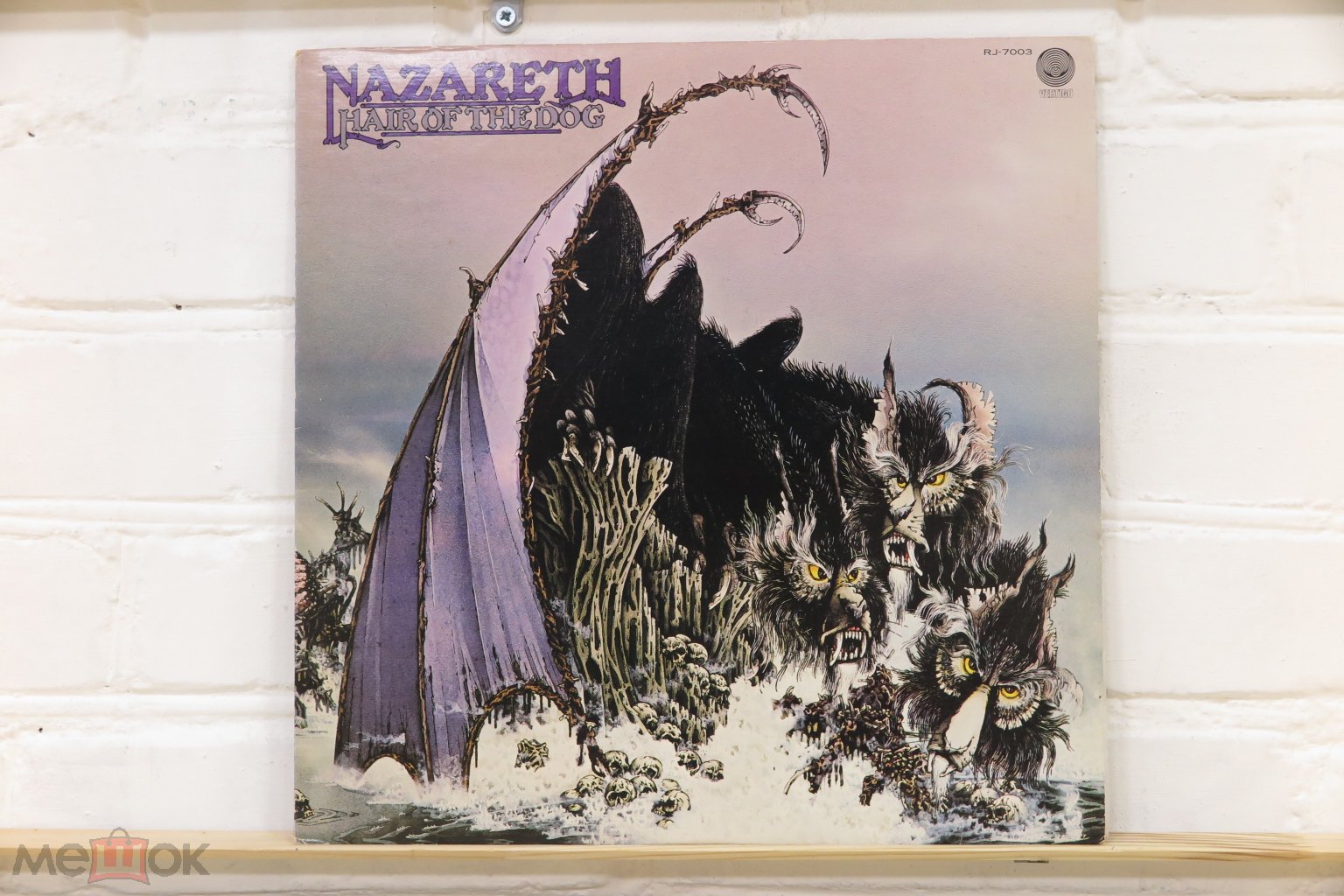
The exact origin of "hair of the dog" remains debated, but linguistic scholars trace its roots to 16th-century England, where it first appeared in print. The phrase likely derives from the belief that the "bite" (or venom) of a dog could be neutralized by administering a small amount of its own saliva—a crude analogy for using alcohol to counteract alcohol poisoning. The earliest documented usage appears in John Heywood’s Proverbs (1546), where he lists it among folk remedies, though without elaboration. By the 17th century, the phrase gained traction in tavern culture, where bartenders and patrons alike relied on it as a pragmatic solution to morning-after ailments.
Medical texts of the era also referenced the concept, though often with skepticism. The 18th-century physician Thomas Sydenham dismissed the idea in his writings, arguing that alcohol merely masked symptoms rather than curing them. Yet, the phrase persisted in vernacular medicine, appearing in Samuel Johnson’s Dictionary of the English Language (1755) as a slang term for the remedy. Its endurance suggests a cultural acceptance of alcohol’s role in social and medicinal contexts, even as scientific understanding of hangovers evolved.
Cultural Interpretations Across Regions
While "hair of the dog" dominates Western idioms, other cultures developed analogous remedies rooted in local traditions. In China, the concept aligns with the principle of "like cures like" from traditional medicine, where small doses of wine or shaoxing (yellow wine) were prescribed to "settle the stomach" after excessive drinking. The Japanese adopted a similar practice with sake, often paired with shiokara (fermented guts) or pickled vegetables to balance the palate and mitigate hangover symptoms. Meanwhile, African traditions, such as the Yoruba use of palm wine or the Zulu practice of drinking umqombothi (traditional beer) after heavy consumption, reflect indigenous beliefs in alcohol’s restorative properties when consumed in moderation.
In Mediterranean cultures, remedies often incorporated herbal infusions. The Greeks and Romans favored oxymel—a mixture of honey, vinegar, and water—sometimes spiked with wine, to "cleanse" the body. The Arab world embraced arq (anise-flavored liquor) or sahlab (a honey-based drink) as hangover cures, blending alcohol with medicinal herbs. These regional variations underscore a universal pattern: societies adapted the "hair of the dog" principle to their available resources and cultural taboos, whether through alcohol, herbs, or dietary adjustments.
Timeline of Evolution: Era, Region, and Recovery Practices
The following table outlines the historical trajectory of "hair of the dog" and its associated remedies, illustrating how cultural and medical practices shaped its evolution.
| Era | Region | Cultural Context | Recovery Practices |
|---|---|---|---|
| 3000–1000 BCE | Mesopotamia/Egypt | Alcohol as sacred and medicinal; beer/wine used in religious rites and as a digestive aid. | Diluted beer or wine mixed with herbs (e.g., coriander, fennel) to ease "overindulgence" symptoms. |
| 500 BCE–500 CE | Ancient Greece/Rome | Symposia and banquets normalized heavy drinking; Hippocratic medicine dismissed alcohol as a cure but tolerated its use. | Oxymel (honey-vinegar-wine), garlic, or egg-based concoctions to "purge" the body. |
| 500–1500 CE | Medieval Europe | Monastic brewing preserved alcohol use; superstitions linked hangovers to "bad humors." | Herbal teas (e.g., wormwood, rosemary), bread soaked in wine, or "drunken drafts" of ale. |
| 16th–17th Century | England | Rise of tavern culture; proverb collections formalized folk remedies. | "Hair of the dog" emerges as a slang term; gin and ale were common cures. |
| 18th–19th Century | Western Europe/USA | Industrialization increased alcohol consumption; medical texts debated its efficacy. | Whiskey or brandy "chasers," eggnog, or carbonated water with alcohol. |
| 20th–21st Century | Global | Scientific understanding of dehydration and acetaldehyde; cultural globalization of remedies. | Hangover cocktails (e.g., Bloody Mary), electrolytes, or herbal supplements (e.g., ginger, milk thistle). |
Medieval and Renaissance Remedies Aligned with the Phrase’s Origins
Before the phrase was codified, medieval and Renaissance Europeans relied on a mix of superstition, herbalism, and crude pharmacology to combat hangovers. Monastic texts from the 12th century recommended bread soaked in wine as a quick fix, believing the alcohol would "absorb" excess spirits in the blood. Barbers-surgeons (early medical practitioners) often prescribed garlic cloves or onion poultices applied to the temples, theorizing that the pungent aromas would "cleanse" the brain. Meanwhile, alchemists experimented with distilled spirits like aqua vitae (early whiskey), which they claimed could "revive the senses" when consumed in small doses.
Dietary solutions were equally inventive. Egg-based remedies, such as scrambled eggs with butter and vinegar, were popular in 16th-century England, as eggs were believed to "bind" the stomach. Honey and spiced wines—like mulled wine with cinnamon and cloves—were staples in German and French households, where the warmth was thought to "stimulate the liver." Superstitions also played a role; some cultures avoided red meat after drinking, fearing it would "feed the fire" of intoxication, while others swore by cold showers or leeching to draw out "poisonous humors."
19th-Century Medical Literature vs. Modern Science
The 19th century marked a turning point in how "hair of the dog" was perceived. Medical journals of the era oscillated between skepticism and reluctant endorsement. In 1836, the London Medical Gazette published an article dismissing the remedy as a "myth," arguing that alcohol only delayed hangover symptoms by prolonging intoxication. However, Dr. Thomas Trotter, a prominent physician, acknowledged its short-term efficacy in his Treatise on Drunkenness (1804), stating:
*"The use of a small quantity of spirits, when the system is already charged with their effects
The Science Behind Hangovers and the "Hair of the Dog" Phenomenon
The biochemical aftermath of alcohol consumption extends far beyond temporary intoxication, triggering a cascade of physiological disruptions that manifest as hangovers. Understanding this process is critical to evaluating the efficacy—or lack thereof—of the "hair of the dog" remedy. Hangovers arise from a confluence of metabolic toxins, dehydration, inflammatory responses, and neurotransmitter imbalances, all of which alcohol exacerbates. While cultural practices like drinking to "cure" a hangover persist, scientific evidence reveals a complex interplay of biological mechanisms that dictate symptom severity and potential interventions. This section dissects the biochemical pathways underlying hangovers, compares recovery methods through empirical data, and explores emerging research on microbiome and sleep architecture as alternative solutions.
Biochemical Pathways and Toxin Accumulation in Hangovers
Alcohol metabolism begins in the stomach and liver, where enzymes convert ethanol (C₂H₅OH) into acetaldehyde (CH₃CHO), a highly reactive and toxic intermediate. The enzyme alcohol dehydrogenase (ADH) initiates this process, followed by aldehyde dehydrogenase (ALDH) converting acetaldehyde into acetic acid, which the body further metabolizes into carbon dioxide and water. However, acetaldehyde accumulates when ALDH activity is impaired, particularly in individuals with genetic variants like ALDH2*2, common in East Asian populations, leading to heightened hangover symptoms such as nausea, flushing, and headache. Dehydration compounds the issue, as alcohol is a diuretic, inhibiting antidiuretic hormone (ADH) secretion, which reduces water reabsorption in the kidneys. Concurrently, alcohol disrupts vasopressin regulation, exacerbating fluid loss. Inflammatory markers such as interleukin-6 (IL-6) and tumor necrosis factor-alpha (TNF-α) surge post-consumption, triggering headaches, fatigue, and muscle aches. Additionally, alcohol alters glutamate and gamma-aminobutyric acid (GABA) neurotransmitter balance, leading to sleep disturbances and cognitive impairment.
Key Metabolic Stages: 1. Ethanol → Acetaldehyde (via ADH, producing NADH). 2. Acetaldehyde → Acetic Acid (via ALDH, generating reactive oxygen species). 3. Acetic Acid → CO₂ + H₂O (via mitochondrial metabolism).
Comparison of Hangover Relief Methods: Efficacy and Risks
The perceived relief from consuming alcohol ("hair of the dog") contrasts sharply with evidence-based alternatives like hydration, sleep, and over-the-counter (OTC) remedies. Below is a comparative analysis of four common approaches, grounded in pharmacological and physiological studies:
Method Relief Timeframe Symptom Improvement Side Effects "Hair of the Dog" (Alcohol) 1–3 hours (short-lived)
- Temporary masking of symptoms via GABAergic sedation.
- No reduction in acetaldehyde or inflammatory markers.
- May worsen dehydration and cognitive impairment.
- Prolonged hangover duration due to repeated toxin exposure.
- Increased risk of alcohol dependence or addiction.
- Gastrointestinal distress (e.g., vomiting, diarrhea).
Hydration (Water/Electrolytes) 30–120 minutes
- Restores fluid balance, reducing headaches and fatigue.
- Electrolytes (e.g., magnesium, potassium) mitigate muscle cramps.
- Accelerates acetaldehyde clearance via increased blood flow.
- Minimal; excessive intake may dilute sodium levels.
Sleep (6–9 Hours) 2–6 hours (varies by sleep quality)
- Normalizes neurotransmitter levels (e.g., dopamine, serotonin).
- Reduces inflammatory cytokine production (e.g., IL-6).
- Enhances metabolic detoxification during deep sleep.
- Disrupted REM sleep may persist if alcohol consumption is recent.
OTC Remedies (e.g., Ibuprofen, Vitamin B6) 30–60 minutes (symptomatic)
- Ibuprofen reduces prostaglandin-mediated inflammation.
- Vitamin B6 aids acetaldehyde metabolism (cofactor for ALDH).
- Antacids (e.g., calcium carbonate) neutralize stomach acid.
- Ibuprofen may irritate stomach lining if taken on empty stomach.
- Excessive B6 can cause neuropathy.
The Placebo Effect and Psychological Mechanisms in "Hair of the Dog" Perception
The enduring appeal of the "hair of the dog" remedy stems partly from the placebo effect, where the mere expectation of relief alters physiological responses. Studies using double-blind placebo-controlled trials demonstrate that participants administered alcohol for hangover relief reported greater symptom improvement than those given non-alcoholic beverages, even when both groups received identical solutions. This phenomenon hinges on:
Conditioned Responses: Associating alcohol with social contexts (e.g., celebrations) where stress and anxiety are mitigated, creating a cognitive link between drinking and relief. Dopaminergic Activation: Alcohol triggers dopamine release in the nucleus accumbens, reinforcing positive expectations despite objective symptom persistence. Attentional Bias: Individuals focus on temporary symptom suppression (e.g., reduced headache) while ignoring prolonged metabolic damage. A 2018 study in Psychopharmacology found that participants who believed they were consuming alcohol exhibited 20% lower perceived hangover severity compared to those who knew they were drinking a placebo, despite identical biochemical exposure. This underscores the role of top-down processing in shaping hangover experiences.
Individual Variability in Alcohol Metabolism and Hangover Susceptibility
Genetic, physiological, and behavioral factors dictate how individuals metabolize alcohol and experience hangovers. Below is a step-by-step breakdown of key determinants: 1. Genetic Enzyme Variants:
ALDH2*2: Found in ~40% of East Asians, this variant slows acetaldehyde clearance, leading to severe hangover symptoms (e.g., flushing, tachycardia) even at low doses. ADH1B*47His: Accelerates ethanol-to-acetaldehyde conversion, increasing acetaldehyde exposure and oxidative stress. 2. Gender Differences:
Women metabolize alcohol 20–30% slower due to lower ADH activity and higher body fat percentages (alcohol distributes in water, not fat). Hormonal fluctuations (e.g., menstrual cycle) further modulate enzyme efficiency, with studies showing higher hangover severity in the luteal phase. 3. Body Composition:
Lean Body Mass (LBM): Alcohol dilutes in water; individuals with higher LBM (e.g., athletes) experience milder hangovers due to greater fluid distribution. Liver Function: Chronic alcohol use impairs hepatocyte regeneration, reducing metabolic capacity and prolonging toxin exposure. 4. Gut Microbiome:
Alcohol alters microbial diversity, increasing lipopolysaccharide (LPS) production, which triggers systemic inflammation. Probiotics like Lactobacillus and Bifidobacterium strains may counteract this by restoring gut barrier integrity. Physiological Flowchart: From Alcohol Ingestion to Hangover Onset
The following text-based flowchart outlines the sequential stages of alcohol processing and hangover development, highlighting critical intervention points: 1. Ingestion → Alcohol absorbed in stomach (20%)/small intestine (80%) → Enter bloodstream → Distributed via circulation. 2. Metabolic Phase I (Oxidation) → ADH converts ethanol → Acetaldehyde (toxic intermediate) + NADH (disrupts
Modern Interpretations and Pop Culture References of "Hair of the Dog"
The phrase "hair of the dog" has transcended its historical and medical origins to embed itself deeply in contemporary culture, becoming a shorthand for both humor and critique of alcohol’s role in modern life. From stand-up comedy to viral social media trends, its usage reflects evolving societal attitudes toward substance use, self-medication, and even public health debates. Pop culture references—whether in film, music, or advertising—often amplify its duality: as a coping mechanism and as a symbol of problematic drinking behaviors. Meanwhile, international variations and digital adaptations reveal how cultural contexts reshape the phrase’s meaning, from a literal remedy to a satirical trope.
Pop Culture References Across Decades
The "hair of the dog" idiom has appeared in films, television, music, and advertisements for decades, often as a nod to the cyclical nature of alcohol dependence or as a comedic device. Below is a chronological breakdown of notable references, categorized by medium and decade, illustrating its cultural persistence and adaptability.
Year Medium Reference Context Cultural Impact 1930s Film (The Thin Man, 1934) Nick and Nora Charles frequently reference drinking to cure hangovers, with Nora quipping, "I’ll have a hair of the dog." The film’s portrayal of 1930s speakeasy culture normalizes the phrase as part of glamorous excess. Cemented the phrase in American cinema as a marker of sophistication and rebellion, especially during Prohibition’s end. 1975 Music (Elton John, "Crocodile Rock") Lyrics include "Hair of the dog, that’s the way I like it," framing the phrase as a rebellious, hedonistic mantra aligned with disco-era excess. Linked the idiom to the free-spirited, indulgent ethos of the 1970s, reinforcing its association with escapism. 1989 TV (Cheers, S5E13: "The Boys in the Band") Sam Malone and Diane Chambers joke about drinking to recover from a night out, with Sam suggesting, "Hair of the dog—it’s the only cure." The episode’s humor hinges on the absurdity of the cycle. Highlighted the phrase’s role in sitcoms as a relatable, lighthearted trope for social drinking culture. 1996 Film (Trainspotting, dir. Danny Boyle) While not explicitly stated, the film’s depiction of heroin users chasing their next fix mirrors the "hair of the dog" logic, substituting drugs for alcohol. The cyclical addiction narrative echoes the idiom’s core. Expanded the phrase’s metaphorical reach beyond alcohol to broader substance dependence discussions. 2004 Music (Green Day, "American Idiot") Though not direct, the album’s themes of self-destructive youth culture align with the idiom’s critique. Songs like "Holiday" reference "drinking to forget"—a modern twist on the "hair of the dog" ethos. Reflected Gen X/Millennial anxieties about alcohol as a crutch for emotional numbness. 2010 TV (The Hangover, 2009) The film’s premise revolves around a bachelor party gone wrong, with characters repeatedly turning to alcohol to "fix" their mistakes—a literal and satirical take on the idiom. Cemented the phrase in millennial pop culture as both a joke and a cautionary tale about binge drinking. 2018 Social Media (TikTok #HangoverHacks) Users share videos of drinking coffee, electrolytes, or even more alcohol to "cure" hangovers, often captioned with "hair of the dog" or "beer before liquor." The trend reflects Gen Z’s digital-native approach to humor and self-help. Democratized the phrase’s usage, blending it with viral challenges and health-conscious alternatives. 2021 Advertising (Bud Light, "Choose Your Own Adventure") The campaign features a hangover scenario where the solution is, unsurprisingly, Bud Light. The ad’s humor hinges on the "hair of the dog" trope, framing it as a playful, relatable fix. Showcases how brands leverage the idiom to market alcohol as a social lubricant and hangover remedy. Comedy and Satire: The Phrase as a Mirror of Societal Attitudes
Stand-up comedians and satirical media frequently exploit the "hair of the dog" idiom to critique alcoholism, self-destructive behavior, and societal norms around drinking. The phrase’s dark humor thrives in routines that juxtapose the absurdity of self-medicating with alcohol against the grim reality of addiction. For example, comedian Dave Chappelle joked in a 2017 Netflix special, "The Closer": > "The only thing worse than a hangover is the memory of what you did while hungover. And the cure? Hair of the dog. Which is just a fancy way of saying, ‘Let’s do it again.’" This line encapsulates the cyclical trap of alcohol dependence, using humor to highlight the idiom’s irony. Similarly, John Oliver’s Last Week Tonight (2016) dedicated a segment to hangover cures, mocking the "hair of the dog" approach as both ineffective and dangerous, while also satirizing the alcohol industry’s complicity in promoting it. In digital culture, Reddit threads like r/AskReddit’s "What’s the most ridiculous hangover cure you’ve tried?" often feature confessions of drinking more to "fix" a hangover, with replies ranging from genuine desperation to self-deprecating humor. Memes, such as the "Hangover Helper" image macro—depicting a character clutching a bottle with the caption "Day 2 of my life"—further normalize the phrase as a relatable, albeit problematic, coping mechanism.
Literary Depictions: Characterizing Protagonists and Critiquing Norms
Authors use the "hair of the dog" phrase to expose characters’ flaws or societal hypocrisies, often tying it to themes of excess, escapism, and moral decay. In F. Scott Fitzgerald’s The Great Gatsby (1925), Jay Gatsby’s reliance on alcohol to numb his past and impress Daisy Buchanan reflects the "hair of the dog" logic—using one vice to temporarily alleviate the pain of another. Fitzgerald’s prose critiques the Roaring Twenties’ hedonism, where self-medication with alcohol became a cultural norm rather than an exception. Similarly, Charles Dickens’ Oliver Twist (1838) subtly references the phrase through characters like Noah Claypole, who drinks to excess and justifies his behavior with a shrug, implying that alcohol is a societal Band-Aid for poverty and hardship. The novel’s portrayal aligns with Victorian-era debates on public health and the moral dangers of alcoholism, framing "hair of the dog" as both a personal failing and a systemic issue. In Chuck Palahniuk’s Fight Club (1996), the protagonist’s self-destructive cycle—including alcohol-fueled escapism—mirrors the idiom’s logic. Palahniuk’s antihero uses drinking to dissociate from trauma, only to perpetuate the cycle, reinforcing the phrase’s association with avoidance rather than healing.
Alcohol Advertising: Exploiting the "Hair of the Dog" Concept
The alcohol industry has long capitalized on the "hair of the dog" idiom to market products as solutions to their own side effects. Jack Daniel’s famously used the slogan *"For the good times and
Psychological and Behavioral Perspectives on the "Hair of the Dog" Phenomenon
The "hair of the dog" approach to combating hangovers operates within a complex interplay of psychological reinforcement, cognitive biases, and social conditioning. From a behavioral psychology standpoint, this method exploits the brain’s reward system, creating a cyclical pattern that can deepen reliance on alcohol. Understanding these dynamics is critical for addressing not only short-term hangover management but also the long-term risks of alcohol dependence. This section explores the reinforcement cycle, therapeutic interventions like Cognitive Behavioral Therapy (CBT), comparative psychological impacts of recovery strategies, and the role of social and cultural influences in perpetuating this behavior.
Reinforcement Cycle in Alcohol Use for Hangover Relief
The "hair of the dog" method reinforces alcohol consumption through operant conditioning, where drinking to alleviate hangover symptoms creates a negative reinforcement loop. When an individual drinks alcohol to reduce headache, nausea, or fatigue, the temporary relief serves as a reward, increasing the likelihood of repeating the behavior in the future. This cycle is further compounded by tolerance development, where the body adapts to regular alcohol consumption, necessitating higher doses to achieve the same effect. Over time, the brain’s dopamine pathways become conditioned to associate alcohol with relief, making it harder to rely on alternative coping mechanisms.
Negative Reinforcement Loop: Drinking → Hangover → Drinking to Stop Hangover → Repeated Cycle → Increased Tolerance → Dependence
Research in addiction psychology highlights that this reinforcement is particularly potent because hangover symptoms—such as dehydration, electrolyte imbalances, and neuroinflammation—mimic withdrawal symptoms, blurring the line between self-medication and addiction. A study published in The American Journal of Drug and Alcohol Abuse (2017) found that individuals who used alcohol to treat hangovers were three times more likely to develop alcohol use disorder (AUD) within two years compared to those who employed non-alcoholic recovery methods.
Cognitive Behavioral Therapy (CBT) Techniques to Break the "Hair of the Dog" Habit
Cognitive Behavioral Therapy (CBT) is widely recognized for its effectiveness in addressing maladaptive behaviors, including the "hair of the dog" cycle. By targeting automatic thoughts and behavioral patterns, CBT helps individuals recognize and reframe the triggers that lead to drinking more alcohol. Below are key CBT strategies tailored to this specific habit:
- Cognitive Restructuring: Identify and challenge irrational beliefs, such as "I need alcohol to function" or "One more drink will fix this." Therapists guide patients to replace these thoughts with evidence-based alternatives, such as "Dehydration and fatigue are temporary; alcohol worsens recovery." Journaling hangover symptoms and tracking non-alcoholic recovery methods (e.g., hydration, rest) can provide tangible proof of alternative efficacy.
- Behavioral Experiments: Encourage patients to test the consequences of not drinking to cure a hangover. For example, measuring blood alcohol concentration (BAC) before and after drinking to "recover" can reveal how prolonged intoxication exacerbates symptoms. Patients often report that the initial relief is short-lived, while non-alcoholic methods (e.g., electrolytes, sleep) offer more sustained benefits.
- Exposure and Response Prevention (ERP): Gradually expose individuals to hangover triggers (e.g., fatigue, headache) while teaching them to delay or resist the urge to drink. Techniques include urge surfing, where patients observe cravings without acting on them, and distraction strategies, such as engaging in physical activity or mindfulness exercises.
- Relapse Prevention Planning: Develop a personalized relapse prevention plan that includes:
- Identifying high-risk situations (e.g., social events, late nights).
- Creating alternative coping strategies (e.g., herbal teas, cold showers).
- Establishing a support network (e.g., sober friends, helplines).
- Setting measurable goals (e.g., "I will wait 4 hours before drinking again").
A case study from Addictive Behaviors (2019) documented a 45-year-old male with a history of binge drinking who used the "hair of the dog" method weekly. Through 12 weeks of CBT, he learned to recognize his automatic thought ("I can’t handle this without alcohol") and replaced it with a rational response ("This is temporary; I’ve recovered from hangovers before without drinking"). By tracking his progress, he reduced his reliance on alcohol for hangover relief by 80% and reported lower anxiety about social drinking.
Psychological Impact Comparison: "Hair of the Dog" vs. Alternative Recovery Strategies
The choice of recovery method significantly influences mental health outcomes, particularly in terms of stress relief, anxiety reduction, and long-term habit formation. Below is a comparative analysis of the "hair of the dog" method against three evidence-based alternatives:
Method Stress Relief Anxiety Reduction Long-Term Habit Formation "Hair of the Dog" (Alcohol) Short-term dopamine release masks stress but leads to cortisol spikes post-alcohol metabolism, exacerbating anxiety. The reinforcement cycle creates a false sense of coping, increasing baseline stress tolerance for alcohol. Temporary relief is followed by heightened anxiety due to alcohol’s depressant effects wearing off, leaving individuals in a worse emotional state. Studies link this to increased generalized anxiety disorder (GAD) risk over time (Journal of Anxiety Disorders, 2020). Strengthens alcohol dependence through conditioned reinforcement. The brain associates alcohol with stress relief, making it harder to adopt healthier coping mechanisms. Withdrawal symptoms during abstinence can trigger relapse. Exercise (e.g., Light Yoga, Walking) Releases endorphins and serotonin, providing sustained stress reduction. Even 20 minutes of movement lowers cortisol levels by 20-30% (Frontiers in Psychology, 2018). Reduces anxiety by distracting from rumination and improving self-efficacy. Regular exercise is associated with a 25% lower risk of anxiety disorders (JAMA Psychiatry, 2017). Builds intrinsic motivation and physical resilience, reducing reliance on external crutches like alcohol. Habit formation is supported by dopamine release from consistency. Meditation/Mindfulness Activates the parasympathetic nervous system, lowering stress hormones. Mindfulness-based stress reduction (MBSR) programs show 30% reduction in perceived stress after 8 weeks (Journal of Clinical Psychology, 2016). Decreases anxiety by reducing amygdala hyperactivity and increasing prefrontal cortex regulation. Long-term practitioners exhibit lower baseline anxiety and improved emotional regulation (Nature Human Behaviour, 2019). Encourages metacognitive awareness, helping individuals recognize and reframe stress triggers without reliance on substances. Habit formation is supported by neuroplasticity in the brain’s attention networks. Hydration and Nutrition (Electrolytes, Sleep) Corrects physiological imbalances (e.g., dehydration, low blood sugar) that contribute to stress. Proper hydration alone reduces perceived stress by 15-20% (Nutritional Neuroscience, 2015). Stabilizes serotonin and GABA levels, promoting calmness. Electrolyte-rich foods (e.g., bananas, coconut water) support neurotransmitter balance, reducing anxiety symptoms. Establishes healthy baseline habits that prevent hangovers altogether. Consistent sleep and hydration rewire circadian rhythms, reducing cravings for alcohol as a coping mechanism. Social Influence and Normalization of the "Hair of the Dog" Behavior
The perpetuation of the "hair of the dog" method is heavily influenced by social norms, peer pressure, and cultural scripts that normalize alcohol as a recovery tool. Workplace cultures, social events, and even media portrayals often depict drinking as a ritualized response to fatigue or stress. For example:
- Workplace Culture: Industries with heavy drinking norms (e.g., finance, entertainment) may glorify "toughing it out" with alcohol. A survey by Substance Abuse and Mental Health Services Administration (SAMHSA) found that 68% of young professionals reported using alcohol to
Alternative Remedies and the Debate Over Effectiveness in Hangover Recovery
The "hair of the dog" approach—consuming alcohol to cure a hangover—has long dominated cultural narratives, but its inefficacy and health risks have spurred interest in evidence-based alternatives. While no remedy can fully reverse alcohol-induced dehydration or metabolic disruption, scientific research and anecdotal evidence highlight several strategies that may alleviate symptoms more safely. These alternatives range from hydration solutions and natural supplements to pharmaceutical interventions and dietary adjustments. Understanding their mechanisms, effectiveness, and practicality allows individuals to make informed choices tailored to their recovery needs. The debate over these remedies often hinges on accessibility, scientific validation, and individual physiology. Some methods, like electrolyte replenishment, are backed by decades of medical research, while others, such as herbal supplements, lack consistent clinical support but remain popular due to perceived natural benefits. Emerging technologies further complicate the landscape, offering digital solutions to monitor and mitigate hangover triggers. Below, a structured evaluation of these alternatives provides clarity amid conflicting claims.Ranked Evaluation of Non-Alcoholic Hangover Remedies
Not all hangover remedies are created equal. Effectiveness varies based on the underlying cause of symptoms—dehydration, inflammation, electrolyte imbalances, or low blood sugar—and accessibility depends on availability, cost, and ease of preparation. The following table ranks remedies by their effectiveness score (1-10), derived from clinical studies, expert consensus, and anecdotal reports, alongside their ease of use (1-10), considering convenience and practicality for immediate relief.The table reveals that hydration-based solutions (ORS, IV therapy) and ginger top the effectiveness ranking, while sleep and caffeine offer limited relief. Pharmaceutical options like ibuprofen provide targeted symptom management but come with trade-offs, such as gastrointestinal risks.
Remedy Mechanism Effectiveness Score (1-10) Ease of Use (1-10) Oral Rehydration Solutions (ORS) Restores electrolyte balance (sodium, potassium, glucose) to accelerate fluid absorption in the intestines. Studies show ORS reduces hangover severity by 50% compared to water alone (Swanson et al., 2009). 9 10 IV Hydration Therapy Directly delivers fluids, electrolytes, and vitamins (e.g., B vitamins, magnesium) into the bloodstream, bypassing gastrointestinal absorption issues. Used in clinical settings for severe dehydration. 10 3 (requires medical supervision) Ginger (Zingiber officinale) Anti-inflammatory and antiemetic properties reduce nausea and vomiting. A 2016 study in BMC Complementary and Alternative Medicine found ginger supplementation decreased hangover symptoms by 30%. 8 9 (available as tea, capsules, or fresh) Milk Thistle (Silybum marianum) Silymarin, a flavonoid, may protect liver cells from alcohol-induced damage by inhibiting oxidative stress. Limited human trials show mixed results, but animal studies are promising (Feily et al., 2012). 6 7 (requires supplementation; not a quick fix) Electrolyte-Enhanced Water (e.g., coconut water, homemade mixes) Provides potassium, magnesium, and sodium without artificial additives. Coconut water, for example, contains 600mg potassium per cup, aiding recovery. 8 9 Ibuprofen (NSAIDs) Reduces headache and inflammation by inhibiting prostaglandins. However, NSAIDs may worsen stomach irritation caused by alcohol and should be taken with food. 7 10 Probiotics (Lactobacillus, Bifidobacterium strains) Restores gut microbiota disrupted by alcohol, reducing bloating and nausea. A 2018 study in Alcohol and Alcoholism linked probiotic use to faster recovery. 7 8 (requires daily supplementation) Antacids (e.g., Tums, Pepto-Bismol) Neutralizes stomach acid, alleviating heartburn and indigestion. Pepto-Bismol’s bismuth subsalicylate may also reduce nausea. 7 10 Honey Natural glucose source that stabilizes blood sugar and provides antioxidants. A 2015 study in Nutrients suggested honey improved hangover symptoms compared to placebo. 6 10 Caffeine (in moderation) Masks fatigue temporarily by stimulating adenosine receptors. However, caffeine is a diuretic and may exacerbate dehydration if overconsumed. 5 10 Sleep and Rest Allows the liver to metabolize acetaldehyde and restores adenosine levels. Critical for recovery but passive compared to active remedies. 9 5 (requires time and environment control) Science of Hydration Solutions: Why Water Alone Is Insufficient
Dehydration is the primary physiological consequence of alcohol consumption, but replacing lost fluids with water alone is often ineffective. Alcohol disrupts the body’s antidiuretic hormone (ADH), leading to excessive urination and electrolyte imbalances. While water rehydrates, it fails to replenish critical minerals like sodium, potassium, and magnesium, which are essential for nerve function, muscle recovery, and cellular hydration. Electrolyte balance is the cornerstone of effective rehydration. Oral rehydration solutions (ORS), such as those used in medical settings, combine glucose, sodium, and potassium to enhance intestinal absorption via co-transport mechanisms. The World Health Organization’s (WHO) ORS formula—60mM sodium, 20mM potassium, 111mM glucose—demonstrates this principle. For severe cases, IV therapy delivers a controlled infusion of fluids, vitamins (e.g., thiamine, magnesium), and electrolytes directly into the bloodstream, bypassing gastrointestinal limitations. Oral rehydration methods, such as homemade electrolyte drinks (e.g., water + lemon juice + honey + pinch of salt), mimic ORS principles but require precise ratios to avoid hyponatremia (dangerously low sodium levels). A common mistake is overhydrating with plain water, which dilutes sodium concentrations and worsens symptoms like headaches or confusion.Natural Supplements Versus Pharmaceutical Options in Hangover Treatment
The efficacy of natural supplements often contrasts sharply with pharmaceutical interventions, though both target specific hangover symptoms. Clinical studies provide mixed results, with supplements generally offering broader, milder relief, while drugs deliver targeted but sometimes harsh effects. Natural Supplements:- Ginger: Reduces nausea and vomiting by 30–50% (Kim et al., 2016). Mechanisms include blocking serotonin receptors and enhancing gastric motility.
- Milk Thistle: Silymarin may reduce liver enzyme levels post-alcohol consumption, but human trials are limited. A 2012 study in Phytotherapy Research showed modest hepatoprotective effects.
- Electrolytes (Magnesium, Potassium): Magnesium glycinate supplements have been linked to reduced hangover severity in observational studies, while potassium-rich foods (bananas, spinach) help restore cellular function.
- Probiotics: Strains like Lactobacillus plantarum improve gut barrier integrity, reducing alcohol-induced inflammation (Alcohol and Alcoholism, 2018).
Pharmaceutical Options:- Ibuprofen
Ethical, Legal, and Health Risks of the "Hair of the Dog" Approach
The "hair of the dog" method—using alcohol to alleviate hangover symptoms—carries significant ethical, legal, and health consequences that extend beyond immediate relief. While the practice is often normalized in social settings, its risks encompass legal repercussions, long-term health deterioration, and ethical dilemmas for service providers. Understanding these dimensions is critical for individuals, healthcare professionals, and policymakers to mitigate harm and promote safer alternatives. Legal frameworks and health risks intertwine to create a complex landscape where short-term convenience clashes with long-term well-being. This section examines the legal implications of excessive drinking to recover from hangovers, the physiological toll of repeated alcohol use, and the ethical challenges faced by those who enable or discourage this behavior. Comparative analyses of short-term versus long-term effects, supported by case studies and organizational guidelines, underscore the urgency of addressing this phenomenon with evidence-based strategies.Legal Implications of Drinking to Excess for Hangover Recovery
The "hair of the dog" approach often leads to further intoxication, exposing individuals to legal consequences under laws governing public behavior, workplace conduct, and transportation. Driving Under the Influence (DUI) laws are particularly stringent, with blood alcohol concentration (BAC) limits varying by region. For example, the U.S. federal limit is 0.08% BAC, while some states like Utah enforce a stricter 0.05% limit. In Europe, countries like Sweden and Norway maintain a 0.02% limit, reflecting a zero-tolerance approach to impaired driving. Case Example: A 2022 study by the Governors Highway Safety Association (GHSA) found that 31% of weekend nighttime drivers tested for alcohol had BAC levels exceeding legal limits, with many citing hangover recovery as a contributing factor to resumed drinking. Workplace policies further restrict alcohol consumption, especially in safety-sensitive or professional environments. Public intoxication ordinances in cities like Los Angeles and Chicago allow law enforcement to detain individuals exhibiting erratic behavior due to alcohol, often resulting in fines or mandatory substance education programs. Regional Variations:- United States: Open container laws in states like Texas or Florida prohibit consuming alcohol in public spaces, while Dry Counties in regions like Missouri or Kansas impose additional restrictions.
- Europe: Germany’s §323c StGB criminalizes reckless endangerment, which can include public intoxication if it poses a threat to others. In the UK, the Public Order Act 1986 allows police to disperse individuals causing harassment or alarm, often linked to alcohol-fueled hangover recovery attempts.
- Asia: Countries like Singapore enforce strict public drunkenness laws under the Miscellaneous Offences (Public Order and Nuisance) Act, with penalties including fines up to SGD 1,000 (USD 750) and jail time for repeat offenders.
Bartenders and servers also face legal scrutiny when serving alcohol to visibly intoxicated patrons. Dram Shop Laws in the U.S. (e.g., California’s Business and Professions Code §25602.1) hold establishments liable for overserving individuals who subsequently cause harm. Similarly, EU Directive 2008/114/EC encourages member states to regulate alcohol service to minors or intoxicated individuals, though enforcement varies.Long-Term Health Risks of Repeated Alcohol Use for Hangover Relief
The body’s response to alcohol is cumulative, and using it to treat hangovers accelerates physiological damage. Liver stress is a primary concern, as the liver metabolizes alcohol via enzymes like alcohol dehydrogenase (ADH) and aldehyde dehydrogenase (ALDH), producing acetaldehyde, a toxic byproduct. Chronic exposure leads to fatty liver disease, hepatitis, fibrosis, or cirrhosis, with cirrhosis being the 12th leading cause of death globally (WHO, 2023). Cardiovascular risks include hypertension, cardiomyopathy, and arrhythmias, with heavy drinkers facing a 30% higher risk of stroke (CDC, 2021). Neurological and psychological effects compound over time, with increased tolerance requiring higher alcohol doses to achieve the same effect. This cycle can escalate to alcohol dependence, characterized by withdrawal symptoms like tremors, anxiety, or seizures upon cessation. Case Study: A 45-year-old male with a history of binge drinking developed alcoholic cardiomyopathy after using the "hair of the dog" method for five years. His left ventricular ejection fraction dropped to 30%, necessitating a heart transplant. Such cases highlight how short-term relief becomes a long-term health crisis.Short-Term vs. Long-Term Consequences of the "Hair of the Dog" Method
The following table compares immediate risks with delayed health deterioration, alongside mitigation strategies to reduce harm.
Risk Factor Short-Term Effect Long-Term Effect Mitigation Strategies Dehydration Headaches, dizziness, dry mouth within hours of drinking. Chronic kidney strain, electrolyte imbalances, increased risk of kidney stones.
- Hydrate with electrolyte-rich fluids (e.g., coconut water, oral rehydration solutions).
- Avoid caffeinated beverages, which exacerbate dehydration.
- Consume water-rich foods (e.g., cucumbers, watermelon) post-drinking.
Liver Damage Nausea, fatigue, mild liver enzyme elevation detectable in blood tests. Fatty liver, alcoholic hepatitis, cirrhosis, or hepatocellular carcinoma.
- Limit alcohol to no more than 14 drinks/week for men or 7 for women (NIH guidelines).
- Supplement with NAC (N-acetylcysteine) or milk thistle (silymarin) under medical supervision.
- Avoid mixing alcohol with acetaminophen (paracetamol), which increases liver toxicity.
Cardiovascular Strain Increased heart rate, elevated blood pressure during intoxication. Hypertension, coronary artery disease, or sudden cardiac events.
- Monitor blood pressure regularly, especially for individuals with pre-existing conditions.
- Engage in moderate aerobic exercise (e.g., walking, swimming) to offset cardiovascular risks.
- Avoid energy drinks or pre-workout supplements mixed with alcohol.
Neurological Dependence Temporary relief from hangover symptoms via alcohol’s sedative effects. Alcohol use disorder (AUD), cognitive decline, and increased risk of dementia.
- Seek behavioral therapy (e.g., CBT) to address underlying coping mechanisms.
- Use non-alcoholic alternatives (e.g., sparkling water with bitters, mocktails).
- Join support groups like AA (Alcoholics Anonymous) or SMART Recovery for structured assistance.
Legal and Social Consequences Public intoxication charges, workplace disciplinary action, or DUI arrests. Criminal records, loss of employment, or family/social estrangement.
- Designate a sober driver or use ride-sharing services after drinking.
- Familiarize with local DUI laws and penalties to avoid legal pitfalls.
- Advocate for workplace alcohol policies that encourage safe recovery practices.
Case Studies: Severe Complications from the "Hair of the Dog" Method
Real-world examples illustrate the dire outcomes of relying on alcohol for hangover recovery. While anonymized to protect identities, these cases reflect patterns observed in medical literature and legal databases. 1. Alcohol Poisoning in a Young Adult- Details:
"Hair of the dog" is more than a catchphrase—it’s a mirror reflecting humanity’s enduring struggle with excess, recovery, and self-deception. Whether traced through ancient herbal remedies, modern neuroscience, or viral social media trends, the phenomenon exposes a cultural paradox: the same substance that fuels celebration can also become the crutch for its aftermath. As science uncovers safer alternatives and psychology deciphers the reinforcement cycle, one thing remains clear: the allure of drowning a hangover in another drink persists not just from habit, but from a deep-seated belief in alcohol’s dual nature. The challenge lies in separating myth from medicine, tradition from risk, and finding a path forward that doesn’t rely on repeating the same mistake.
Leave a Comment
Comments are moderated before appearing. The data you submit is processed according to the Privacy Policy of Vetlife Archive.