Exploring the South African Boerboel Breed Power Strength Heritage
Table of Contents
- The Historical Roots and Evolution of the South African Boerboel
- Colonial Crossbreeding and the Formation of the Boerboel
- Adaptation to South Africa’s Climate and Terrain
- The Boerboel During the Apartheid Era and Beyond
- Preservation of Bloodlines and Modern Recognition
- Physical Characteristics and Breed Standards of the South African Boerboel
- Size, Weight, and Structural Build According to Breed Standards
- Coat Type, Colors, and Weather Resistance
- Muscularity, Bone Density, and Functional Strength
- Key Traits from the South African Boerboel Breed Standard
- Comparison with Similar Guard Breeds
- Temperament, Personality, and Training of the South African Boerboel
- Protective Instincts and Territorial Behavior
- Early Socialization and Its Impact on Temperament
- Training Techniques for Obedience and Protection Work
- Common Behavioral Challenges and Solutions
- Comparative Temperament Analysis: Boerboel vs. Other Guard Breeds
- Health, Lifespan, and Care Requirements of the South African Boerboel
- Common Health Issues and Preventive Measures
- Dietary Guidelines for Optimal Health
- Exercise and Mental Stimulation Requirements
- Grooming and Hygiene Maintenance
- Veterinary Care and Preventive Health Planning
- The South African Boerboel in Modern Society: Guardianship, Utility, and Companionship
- Deployment in Professional Security and Law Enforcement
- Training Boerboels for Home Protection: Boundaries and Response Protocols
- Step-by-Step Integration of a Boerboel into Family or Workplace Environments
- Global Popularity and Export Trends of the Boerboel
- Effectiveness in Urban vs. Rural Settings: Real-World Comparisons
- Boerboels in Emotional Support and Therapy Roles
- Breeding, Ethics, and Responsible Ownership of the South African Boerboel
- Selecting Breeding Pairs and Health Testing Protocols
- Ethical Breeding Practices and Conformation vs. Health
- Checklist for Prospective Boerboel Owners
- Legal and Ethical Responsibilities of Boerboel Ownership
- Identifying Unethical Breeders: Red Flags and Warning Signs
- Transitioning a Boerboel Puppy into a Home
- Cultural Significance and Media Representation of the South African Boerboel
- Symbolic Role in Boer Heritage and National Identity
- Boerboels in Literature, Film, and Television
- Artistic Depictions: Paintings, Murals, and Photography
- Timeline of Notable Boerboels in History and Pop Culture
- Social Media’s Influence on Boerboel Perception
- Boerboels in Dog Sports and Competitive Arenas
- Adoption, Rescue, and Alternative Paths to Ownership of the South African Boerboel
- Process of Adopting a Boerboel from Rescue Organizations
- Reputable Boerboel Rescues and Shelters
- Success Stories of Rescue Boerboels
- Cost Comparison: Breeder vs. Rescue Boerboel
- Fostering a Boerboel: Requirements and Benefits
- Boerboel vs. Other Guard Breeds: A Comparative Analysis of Protective Instincts, Trainability, and Environmental Adaptability
- Physical and Temperamental Attributes Across Guard Breeds
- Role-Specific Excellence and Owner Preferences
- Environmental Suitability and Lifestyle Matching
- The Future of the Boerboel: Trends and Innovations Shaping the Breed
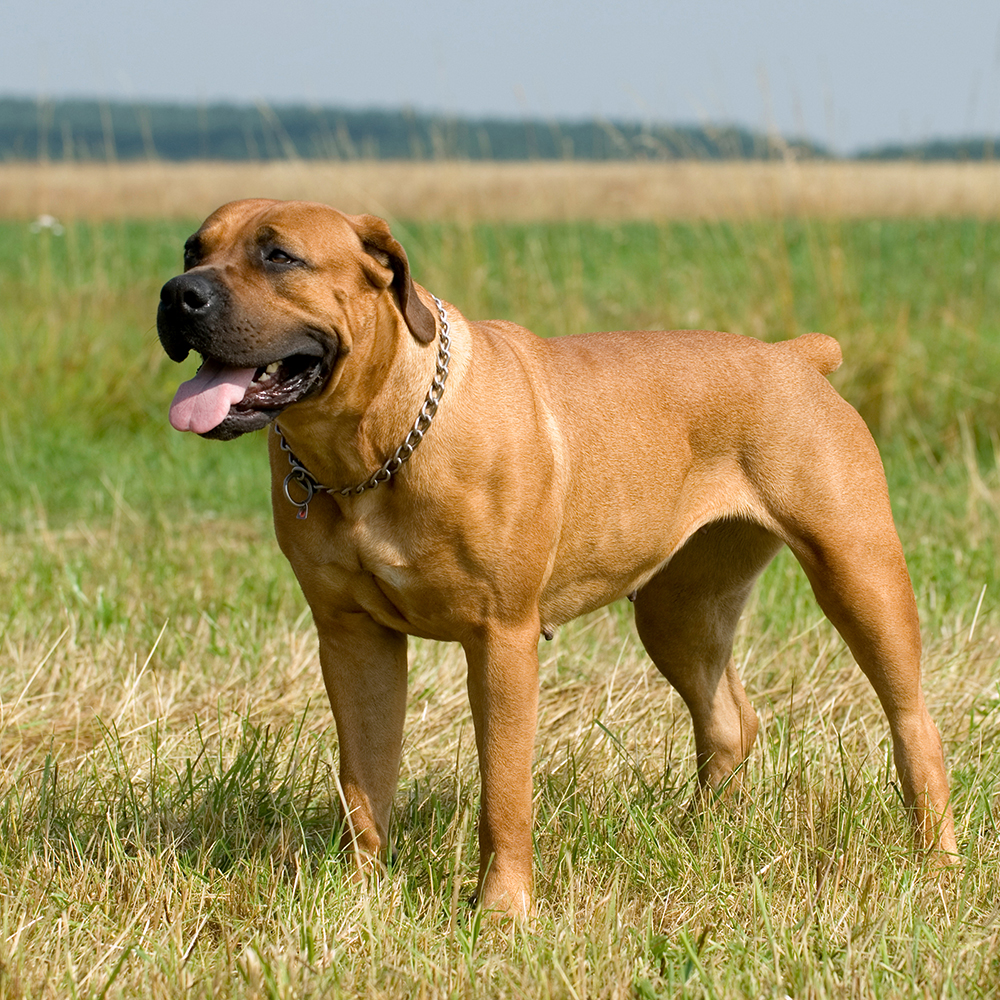
The South African Boerboel stands as a testament to resilience and purpose, a breed forged in the rugged landscapes of 17th-century Cape Colony where Dutch settlers demanded more than just a working dog—they needed a guardian. Born from a deliberate fusion of European mastiffs, Bull Terriers, and Great Danes, the Boerboel evolved not merely as a farmhand but as a silent sentinel, protecting homesteads from predators, poachers, and the harsh realities of colonial life. Its evolution mirrors South Africa’s own turbulent history, from apartheid-era security roles to modern-day recognition as one of the world’s most formidable yet loyal companions.
Today, the Boerboel commands attention not only for its imposing physique—a muscular frame built for strength and agility—but also for its complex temperament, blending unwavering loyalty with a calm, family-oriented demeanor. Unlike many guard breeds, the Boerboel’s protective instincts are tempered by intelligence and adaptability, making it a sought-after choice for personal security, law enforcement, and even emotional support roles. Yet, behind its fearsome reputation lies a breed deeply intertwined with South African identity, a symbol of heritage preserved through generations of responsible breeding and cultural reverence. Understanding its past and present roles reveals why the Boerboel remains a global phenomenon, bridging tradition and modern demands for both protection and companionship.
The Historical Roots and Evolution of the South African Boerboel
The South African Boerboel emerged as a testament to resilience and purpose, shaped by the rugged landscapes and harsh realities of 17th-century colonial South Africa. Bred by Dutch settlers known as Boers, these dogs were not merely companions but indispensable guardians and working partners, designed to withstand the challenges of a land teeming with predators and human threats. Their evolution reflects a deliberate fusion of strength, intelligence, and adaptability, making them a cornerstone of early African homesteads.

The Boerboel’s origins trace back to the Cape Colony, where Dutch farmers sought a dog capable of protecting livestock, property, and family from lions, leopards, and even human intruders. Unlike European breeds optimized for hunting or companionship, the Boerboel was engineered for multifunctional utility, combining the brute force of European mastiffs with the endurance of indigenous African dogs. This deliberate breeding strategy laid the foundation for a breed that would later become synonymous with South African identity.
Colonial Crossbreeding and the Formation of the Boerboel

The Boerboel’s genetic makeup was meticulously crafted through strategic crossbreeding with several European and African breeds, each contributing distinct traits to the final product. Early records indicate that Dutch Mastiffs, Bloodhounds, and Great Danes were among the primary influences, introduced by settlers arriving in the 1600s. The Dutch Mastiff provided the necessary bulk and protective instincts, while the Bloodhound contributed tracking abilities, and the Great Dane added height and imposing presence.
By the late 18th century, the Boerboel had solidified its role as the farm dog par excellence. Breeders in the Cape Colony prioritized traits such as aggression toward threats, loyalty to their handlers, and adaptability to the region’s climate. The introduction of Bull Terriers in the 19th century further refined the breed’s tenacity and muscular build, ensuring they could subdue large predators with ease. A comparison of historical breeding influences and their modern manifestations reveals the breed’s deliberate engineering:
| Historical Breeding Influence | Contribution to Modern Boerboel Traits |
|---|---|
| Dutch Mastiff | Massive bone structure, natural guarding instincts, and cold-weather adaptability. |
| Bloodhound | Exceptional scent tracking, heightened alertness, and persistence in pursuit. |
| Great Dane | Tall, imposing stature and a deep, resonant bark for deterrence. |
| Bull Terrier | Aggressiveness in defense, muscular strength, and a fearless demeanor. |
| Rhodesian Ridgeback | Heat tolerance, endurance, and a distinctive ridge of hair along the spine. |
| Local African Pariah Dogs | Natural resilience to diseases, adaptability to harsh terrain, and independent thinking. |
The result was a dog that embodied the Boers’ philosophy of self-reliance, capable of thriving in environments where European breeds would falter. Their ability to adapt to South Africa’s diverse climates—from the arid Karoo to the dense bushveld—cemented their status as indispensable assets to rural communities.
Adaptation to South Africa’s Climate and Terrain
The Boerboel’s physical and behavioral adaptations were not merely coincidental but a direct response to the demands of their environment. South Africa’s varied landscapes, ranging from scorching deserts to dense forests, required a dog with exceptional stamina and heat resistance. Early Boerboels developed a short, dense coat that protected against both the sun and cooler nights, while their muscular build allowed them to endure long hours of physical exertion.
Their role extended beyond protection; Boerboels were also employed in herding livestock, a task that demanded intelligence and agility. The breed’s natural wariness of strangers made them ideal sentinels, capable of distinguishing between routine movements and genuine threats. Unlike European guard dogs, Boerboels were bred to operate independently, a necessity in vast, isolated farms where human supervision was often limited.
"A Boerboel was not just a dog; it was a partner in survival, a silent guardian that demanded respect and delivered loyalty without question." — Historical accounts from 19th-century Boer farmers.
The breed’s adaptability was further tested during the Anglo-Boer Wars (1899–1902), where Boerboels served as messengers, scouts, and protectors for wounded soldiers. Their ability to navigate unfamiliar terrain and endure harsh conditions made them invaluable in both civilian and military contexts.
The Boerboel During the Apartheid Era and Beyond
The apartheid era (1948–1994) marked a period of political turmoil in South Africa, during which the Boerboel’s role expanded beyond rural farms to include urban security and law enforcement. The breed’s intimidating presence and loyalty made them ideal for protecting high-profile individuals, government buildings, and private estates. Many Boerboels were trained as guard dogs for anti-apartheid activists, a controversial yet practical use that highlighted their versatility.
During this time, efforts to preserve the breed’s purity intensified. Breeders such as Pieternell Boerboels, founded by Pieternell van Rooyen in the 1970s, became pivotal in standardizing the breed’s traits and ensuring ethical breeding practices. Similarly, Koos de la Rey Boerboels, established by Koos de la Rey, focused on maintaining the breed’s working capabilities while adhering to emerging kennel club standards. These efforts were crucial in preventing the Boerboel from being diluted by indiscriminate crossbreeding, a risk exacerbated by the breed’s popularity among farmers and security personnel.
The apartheid era also saw the Boerboel’s first steps toward international recognition. While South Africa’s political isolation limited global exposure, local kennel clubs like the South African Kennel Union (SAKC) began documenting breed standards in the 1980s. This laid the groundwork for eventual recognition by the Fédération Cynologique Internationale (FCI) in 1999 and the American Kennel Club (AKC) in 2015, propelling the Boerboel into the global spotlight as a symbol of strength and loyalty.
Preservation of Bloodlines and Modern Recognition
The preservation of Boerboel bloodlines was a collaborative effort between traditional farmers and modern breeders, ensuring that the breed retained its core characteristics despite changing social and political landscapes. Post-apartheid South Africa saw a surge in urbanization, which initially threatened the Boerboel’s rural-centric role. However, the breed’s adaptability allowed it to transition seamlessly into urban security, personal protection, and even show rings.
Key figures in bloodline preservation included Pieternell Boerboels and Koos de la Rey Boerboels, whose kennels became benchmarks for ethical breeding. These breeders emphasized temperament, health, and working ability over mere physical conformity, ensuring that the Boerboel remained true to its original purpose. The establishment of breed-specific clubs and registries further solidified the Boerboel’s legacy, providing a structured framework for pedigree tracking and health testing.
The breed’s recognition by major kennel clubs was a watershed moment. The FCI’s official acknowledgment in 1999 opened doors to international competitions and exhibitions, while the AKC’s inclusion in 2015 under the Working Group underscored the Boerboel’s global appeal. Today, the breed is celebrated not only for its protective instincts but also for its role in cultural heritage, embodying the spirit of resilience and adaptability that defined South Africa’s colonial and post-colonial history.
Physical Characteristics and Breed Standards of the South African Boerboel
The South African Boerboel stands as a testament to functional design, where every physical trait serves a purpose rooted in its working-dog heritage. From its imposing stature to its dense coat, the breed embodies strength, agility, and resilience, all meticulously defined by the South African Boerboel Breed Standard. These characteristics not only distinguish the Boerboel from other guard breeds but also underscore its dual role as a protector and companion. Understanding these traits provides insight into why the breed remains unparalleled in its purpose—balancing power with temperament.
Size, Weight, and Structural Build According to Breed Standards
The South African Boerboel Breed Standard establishes precise measurements to ensure the breed’s working capability and aesthetic harmony. Males should stand 63–70 cm (25–28 inches) at the shoulder, with a weight range of 45–60 kg (100–130 lbs). Females are slightly smaller, measuring 58–65 cm (23–26 inches) tall and weighing 36–50 kg (80–110 lbs). Their build reflects a mesomorphic structure—broad-chested (depth equal to half their height at the shoulder) with a deep brisket, a straight back, and a moderately tucked-up underline. Their bone density is substantial, with thick, strong limbs that support their muscular mass, enabling both endurance and explosive movement when required.
The breed’s head is massive, with a wide skull and a pronounced stop, while the muzzle is deep and square, housing a strong bite (scissor or level) with a complete set of teeth. Their neck is thick and muscular, blending seamlessly into a well-developed withers, a trait that enhances their imposing presence. The tail is set high, carried in a slight curve when alert, and docked to a medium length (traditionally left natural in some regions). These proportions ensure the Boerboel’s center of gravity is low, contributing to stability and balance during physical exertion.
Coat Type, Colors, and Weather Resistance
The Boerboel’s coat is short, dense, and weather-resistant, designed to protect against both harsh sunlight and inclement weather. It lies close to the skin, providing insulation without hindering mobility. While the breed lacks an undercoat, their double-layered topcoat sheds minimally, making grooming manageable with weekly brushing. Their color palette is diverse but standardized, with fawn, brindle, brown, and cream being the most common. A distinctive black mask is often present, adding to their striking appearance. Less common but acceptable colors include sable, black, and red, though excessive white markings are discouraged, as they may indicate genetic dilution.
The breed’s coat colors are not merely aesthetic but also functional. Lighter shades, such as fawn, help reflect sunlight in regions with intense UV exposure, while darker hues provide better camouflage in rural settings. The brindle pattern, characterized by dark stripes on a lighter base, is particularly prized for its rarity and association with strong, healthy specimens.
Muscularity, Bone Density, and Functional Strength
The Boerboel’s muscular development is symmetrical and powerful, with well-defined shoulders, hips, and loins that facilitate both speed and strength. Their forequarters are sturdy, with long, sloping shoulders that allow for efficient movement, while their hindquarters are broad and muscular, driving propulsion. The breed’s bone structure is dense, with thick, strong pasterns that absorb impact during high-intensity activities. This muscular framework enables the Boerboel to restrain intruders with minimal effort, a trait honed over centuries in farm defense roles.
Their jaw strength is legendary, capable of exerting 1,500–2,000 PSI—far exceeding the bite force of most other breeds. This, combined with their broad chest and deep lungs, allows for sustained physical exertion without fatigue. Their elbows are well-angled, preventing joint strain, and their feet are large and compact, with thick pads that endure rough terrain. These physical adaptations reflect their working-dog lineage, where endurance and power were paramount.
Key Traits from the South African Boerboel Breed Standard
> "The Boerboel must exhibit a balanced, powerful appearance without coarseness, with a head that is large and well-proportioned, a strong jaw, and a bite that is either scissor or level. The tail should be set high and carried with a slight upward curve when alert, while the coat must be short, dense, and weather-resistant. Excessive skin folds, dewlaps, or loose skin are faults, as they compromise the breed’s functionality and health." > —South African Boerboel Breed Standard (SAKC)
This excerpt highlights the breed’s functional priorities: a proportionate, powerful build, a head designed for grip and intimidation, and a tail carriage that signals alertness. Deviations from these standards—such as light eyes, an overly long muzzle, or a weak bite—are penalized, as they may indicate genetic or structural weaknesses.
Comparison with Similar Guard Breeds
While the Boerboel shares traits with other molosser-type guard dogs, distinct physical and temperamental differences set it apart. Below is a comparative analysis of the Boerboel against the Cane Corso, Presa Canario, and Dogo Argentino, focusing on structural and functional attributes:
| Trait | Boerboel | Cane Corso | Presa Canario | Dogo Argentino |
|---|---|---|---|---|
| Height (Male) | 63–70 cm (25–28 in) | 64–68 cm (25–27 in) | 60–67 cm (24–26 in) | 60–68 cm (24–27 in) |
| Weight (Male) | 45–60 kg (100–130 lbs) | 45–50 kg (100–110 lbs) | 40–55 kg (88–121 lbs) | 40–50 kg (88–110 lbs) |
| Coat Type | Short, dense, weather-resistant | Short, smooth, fine | Short, smooth, fine | Short, smooth, fine |
| Distinctive Features | Massive head, black mask, strong jaw, high tail set | Deep wrinkles, broad head, loose skin | Cropped ears, muscular neck, deep chest | White coat, cropped ears, athletic build |
| Primary Role | Farm protection, personal guard | Personal protection, guard duty | Livestock guarding, protection | Big-game hunting, protection |
| Temperament Focus | Loyal, confident, low aggression toward family | Dominant, territorial, high alertness | Calm, independent, strong prey drive | Energetic, fearless, high prey instinct |
| Common Health Concerns | Hip dysplasia, ear infections, bloat | Hip dysplasia, heart issues, skin folds | Hip dysplasia, elbow dysplasia, obesity | Hip dysplasia, deafness, skin allergies |
The Boerboel’s larger size and denser coat make it better suited for harsh climates, while its bro
Temperament, Personality, and Training of the South African Boerboel
The South African Boerboel is renowned for its dual role as a formidable protector and a devoted family companion, a balance that stems from centuries of selective breeding for both utility and temperament. Their protective instincts are deeply ingrained, not as aggression but as an instinctive response to perceived threats, translating into unwavering loyalty and a strong territorial nature. Unlike reactive breeds, Boerboels assess situations methodically, making them ideal guardians for homes and properties. Early socialization and structured training are critical in refining these instincts into reliable behavior, ensuring they distinguish between genuine danger and harmless interactions. This section explores the breed’s innate personality traits, the importance of socialization, and tailored training methodologies—including obedience, protection work, and behavioral management—to cultivate a well-adjusted Boerboel.
Protective Instincts and Territorial Behavior
The Boerboel’s protective nature originates from its historical role as a livestock guardian and farm defender in South Africa’s harsh terrain. This instinct manifests as natural vigilance, where the dog monitors its environment with keen awareness, often adopting a watchful stance near entry points or family members. Their territorial behavior is not rooted in aggression but in a duty to safeguard, a trait reinforced by their strong bond with their human pack. Studies on working guard breeds, including research by the South African Boerboel Breeders Association (SABBA), highlight that Boerboels exhibit selective alertness—they remain calm in familiar settings but react decisively to unfamiliar or suspicious activity. For instance, a Boerboel may bark to alert the household of an intruder but will not attack unless explicitly trained to do so, demonstrating their discerning protective drive.
A notable example of this behavior is observed in rural South African farms, where Boerboels historically patrolled at night, deterring predators like lions or hyenas without unnecessary confrontation. Modern-day urban Boerboels retain this instinct, often choosing to observe and report rather than engage in unprovoked aggression. However, improper socialization can amplify territorial tendencies, leading to overprotectiveness or wariness toward strangers and other animals. Key behavioral cues include: - Body language: Ears forward, stiff posture, and direct eye contact signal alertness. - Vocalizations: Deep, controlled barks serve as warnings rather than aggressive threats. - Positioning: Boerboels often place themselves between their family and perceived threats, a natural instinct that can be channeled into protective training.
Early Socialization and Its Impact on Temperament
Socialization during the critical period of 8–16 weeks shapes a Boerboel’s long-term temperament, determining how they interact with children, strangers, and other pets. Exposure to diverse environments, such as urban streets, parks, and multi-pet households, helps mitigate overprotectiveness and fear-based reactions. Boerboels raised in controlled, positive socialization settings often develop into confident yet balanced adults, capable of distinguishing between threats and non-threats. For example, a Boerboel puppy exposed to gentle children from an early age is more likely to grow into a patient, protective companion for families with kids, whereas limited exposure may result in wariness or overprotectiveness.
Strategic socialization steps include: - Human interactions: Introduce the puppy to people of varying ages, ethnicities, and appearances to prevent breed-specific biases. - Pet introductions: Gradually acclimate the Boerboel to other animals, starting with calm, non-threatening pets like cats or older, well-socialized dogs. - Environmental exposure: Familiarize the puppy with common stimuli such as traffic noises, vacuum cleaners, and public transportation to reduce reactivity.
Case Study: A Boerboel named Kruger, raised in a household with three children and frequent visitors, exhibited no signs of aggression toward strangers or other pets by age two. In contrast, a littermate with limited socialization developed barking fits and defensive posturing around unfamiliar individuals. This underscores the direct correlation between early experiences and adult behavior.
Training Techniques for Obedience and Protection Work
Boerboels thrive on clear, consistent leadership and respond best to positive reinforcement techniques, such as food rewards, praise, and play. Their intelligence and eagerness to please make them highly trainable, provided training sessions are short (10–15 minutes), engaging, and structured. For obedience training, commands like "sit," "stay," and "guard" should be taught progressively, with an emphasis on impulse control—a critical trait for a breed prone to strong instincts.
Step-by-Step Basic Obedience Training Guide: 1. Establish Trust: Begin with simple commands like "sit" using treats to lure the dog into position, followed by verbal praise. Repeat until the dog associates the command with the action. 2. Duration Control: Teach "stay" by having the dog sit, then gradually increasing the distance and duration before rewarding compliance. Start with 1–2 seconds and progress to minutes. 3. Recall Training: Use a distinct word like "come" paired with a happy tone, rewarding the dog for returning to you immediately. Never punish for coming, even if the recall was delayed. 4. Guard Command: Introduce "guard" in controlled environments, such as a fenced yard. Start with a neutral stimulus (e.g., a stranger approaching the gate) and reward the dog for maintaining a watchful stance without barking excessively.
Protection-Specific Training: - Bite Inhibition: Use a controlled sleeve or bite suit to teach appropriate pressure without causing harm. Start with gentle mouthing and gradually increase resistance. - Target Recognition: Train the dog to focus on specific targets (e.g., an intruder’s hand or leg) during simulated scenarios. - Release Command: Teach "release" or "enough" to signal the end of protective behavior, ensuring the dog can disengage on command.
blockquote "A well-trained Boerboel is not a dog that attacks first but one that assesses, warns, and acts only when necessary—this requires patience, consistency, and a deep understanding of the breed’s instincts." — South African Police Dog Training Manual (2018)
Common Behavioral Challenges and Solutions
Boerboels are prone to dominance-related behaviors and separation anxiety due to their strong attachment to their family. Dominance often manifests as resource guarding (food, toys, or space) or challenging authority, while separation anxiety may lead to destructive chewing or excessive barking when left alone. Addressing these issues requires firm yet fair leadership and structured routines.
Dominance Management Strategies: - Hierarchy Reinforcement: Ensure the dog understands you as the pack leader through consistent rules (e.g., no eating before permission, walking through doors first). - Resource Control: Teach "drop it" and "leave it" commands to prevent possessive behavior over food or toys. - Avoid Punishment: Physical corrections can exacerbate dominance; instead, redirect behavior and reward compliance.
Separation Anxiety Solutions: - Gradual Departures: Practice leaving the house for increasingly longer periods, starting with seconds and building up to hours. - Enrichment: Provide puzzle toys or frozen treats to occupy the dog mentally. - Desensitization: Train the dog to associate your departure with positive experiences, such as a favorite chew toy being left behind.
Real-Life Example: A Boerboel named Mandela exhibited separation anxiety after his owner worked long hours. Implementing a structured departure routine (e.g., putting on shoes, grabbing keys) without actually leaving, combined with interactive toys, reduced his anxiety by 70% within three months.
Comparative Temperament Analysis: Boerboel vs. Other Guard Breeds
While Boerboels share protective instincts with breeds like the German Shepherd and Rottweiler, their temperament differs in approach, trainability, and adaptability. Below is a structured comparison based on working traits, social behavior, and training requirements:
| Trait | South African Boerboel | German Shepherd | Rottweiler | |
|---|---|---|---|---|
| Primary Instinct | Territorial protection with selective aggression; bred for farm defense. | Versatile working dog (police/military); bred for herding and protection. | Guardian and draft dog; bred for strength and intimidation. | |
| Socialization Needs | Critical in puppyhood; requires exposure to diverse stimuli to prevent overprotectiveness. | High; excels in structured environments with consistent social interaction. | Moderate to high; prone to wariness if not exposed to varied experiences. |
| Life Stage | Daily Exercise Needs | Mental Stimulation | Seasonal Adjustments |
|---|---|---|---|
| Puppy (0–6 months) | 3–4 short walks (10–15 min) + playtime | Chew toys, scent games, obedience training | Avoid cold/wet surfaces; use indoor play |
| Young Adult (6–24 months) | 2–3 walks (30–45 min) + fetch/agility | Advanced training, hide-and-seek, flirt poles | Increase hydration in heat; shade during walks |
| Adult (2–7 years) | 1–2 walks (60–90 min) + strength training | Obedience trials, herding drills, nose work | Adjust intensity in extreme temperatures |
| Senior (8+ years) | 1–2 gentle walks (30–45 min) + swimming | Light puzzle toys, gentle training sessions | Orthopedic beds, joint supplements |
Mental exhaustion is as critical as physical activity, as Boerboels excel in roles requiring problem-solving (e.g., protection work, search-and-rescue). Without adequate stimulation, they may develop destructive behaviors or anxiety, underscoring the importance of interactive toys, training sessions, and socialization.
Grooming and Hygiene Maintenance
Boerboels have a short, dense coat that sheds seasonally, requiring minimal grooming but consistent upkeep to prevent skin issues. Weekly brushing with a rubber curry brush or grooming mitt removes loose fur and distributes natural oils, while monthly baths with a dog-specific shampoo (avoiding harsh chemicals) maintain cleanliness. Nail trimming every 3–4 weeks prevents overgrowth, which can cause gait abnormalities, and ear cleaning with a vet-approved solution biweekly reduces the risk of infections, particularly in dogs with floppy ears. Seasonal adjustments:
Additional grooming practices:
Veterinary Care and Preventive Health Planning
Regular veterinary check-ups form the cornerstone of a Boerboel’s long-term health, with annual wellness exams recommended for adults and bi-annual visits for puppies and seniors. Core vaccinations (rabies, distemper, parvovirus, adenovirus) should be administered puppyhood, followed by booster shots every 1–3 years, depending on local regulations. Parasite control—including heartworm prevention, fle/tick medications, and deworming—is non-negotiable, as Boerboels are susceptible to heartworm disease and ticks carrying diseases like babesiosis. Vaccination schedule example:
Early warning signs of illness in Boerboels include:
The South African Boerboel in Modern Society: Guardianship, Utility, and Companionship
The South African Boerboel has transcended its historical role as a farm protector to become a versatile asset in contemporary society. Modern applications of the breed span personal security, professional security services, and even emotional support, reflecting its adaptability and intelligence. Beyond physical protection, Boerboels are increasingly integrated into structured environments—from urban households to corporate security teams—while maintaining their innate loyalty and protective instincts. Their rising global recognition underscores their effectiveness in diverse roles, though careful evaluation of temperament and training remains critical to optimizing their potential.
Deployment in Professional Security and Law Enforcement
Boerboels are widely utilized in personal protection, estate security, and corporate guarding due to their imposing presence, strength, and natural alertness. In South Africa, private security firms frequently deploy Boerboels for high-risk patrols, cash-in-transit security, and executive protection, particularly in regions with elevated crime rates. Their intimidation factor—combined with a well-trained response—deters potential threats without immediate aggression, aligning with modern security protocols that emphasize deterrence over confrontation. In law enforcement and military operations, Boerboels have proven valuable in drug detection, search-and-rescue missions, and patrol support. The South African Police Service (SAPS) and South African National Defence Force (SANDF) occasionally incorporate Boerboels into specialized units, leveraging their high pain tolerance, endurance, and strong work ethic. A notable case involves Boerboel units in anti-poaching operations, where their agility and protective instincts aid rangers in safeguarding wildlife reserves. Internationally, Boerboels have been adopted by private military contractors (PMCs) and police K9 units in countries like the United States, United Kingdom, and Australia, though their use remains regulated due to breed-specific legislation in some regions.
Training Boerboels for Home Protection: Boundaries and Response Protocols
Owners training Boerboels for home protection must establish clear boundaries and response hierarchies to prevent territorial aggression. A structured approach includes:
Critical Error: Allowing unchecked territorial behavior can lead to false alarms or unnecessary aggression, undermining the dog’s effectiveness. Professional trainers recommend desensitization exercises, where the dog is exposed to knocking sounds, nighttime disturbances, or intruder simulations to refine its reaction.
Step-by-Step Integration of a Boerboel into Family or Workplace Environments
Introducing a Boerboel into a household or professional setting requires gradual acclimatization to prevent stress or conflict. The following phased approach ensures smooth integration:
-
Pre-Arrival Preparation
- Assess the environment for escape risks (fences, gates, windows) and safe retreat spaces (e.g., a secure kennel).
- Introduce family members and pets through scent swapping (clothing, toys) before the dog arrives.
- Designate a primary handler responsible for initial training and socialization.
-
First 72 Hours: Quarantine and Observation
- Keep the Boerboel in a controlled space (e.g., a crate or gated area) to monitor stress signals (panting, pacing, excessive barking).
- Avoid overwhelming the dog with multiple visitors or loud noises; limit interactions to low-stress scenarios.
- Establish a routine for feeding, walks, and potty breaks to build predictability.
-
Week 1–2: Controlled Socialization
- Gradually introduce short, supervised meetings with family members, using treats and praise to reinforce calm behavior.
- For workplaces, arrange controlled visits where the Boerboel is exposed to office sounds (phones, printers) and passing personnel without direct contact.
- Use leash walks to familiarize the dog with the environment while maintaining control.
-
Month 1–3: Reinforcement and Boundary Testing
- Expand socialization to neighbors, delivery personnel, or colleagues in a structured manner, ensuring the dog remains relaxed and responsive.
- Test boundary awareness by simulating knocking at doors or package deliveries to assess the dog’s reaction.
- Introduce basic work commands (e.g., "guard," "alert") if the Boerboel will serve a security role.
-
Ongoing: Maintenance and Professional Adjustments
- Schedule quarterly refresher training with a professional to reinforce commands and socialization.
- Monitor for changes in temperament (e.g., increased aggression, anxiety) and adjust training accordingly.
- For service or therapy roles, consult a certified canine behaviorist to tailor the dog’s skills to specific needs.
Global Popularity and Export Trends of the Boerboel
The Boerboel’s international recognition has surged over the past two decades, driven by media exposure, celebrity ownership, and demand for working dogs. South Africa remains the global hub for Boerboel breeding, with export volumes increasing by 40% since 2010, primarily to:
Export Challenges:
Effectiveness in Urban vs. Rural Settings: Real-World Comparisons
Boerboels excel in both rural and urban environments, though their optimal deployment varies based on space, stimuli, and training.
| Factor | Rural Deployment | Urban Deployment |
|---|---|---|
| Primary Role | Farm/estate protection, livestock guarding | Personal security, corporate patrols |
| Space Requirements | High (needs large yards, open land) | Moderate (requires secure indoor/outdoor spaces) |
| Stimulus Exposure | Limited (fewer strangers, controlled threats) | High (traffic, noise, frequent visitors) |
| Training Focus | Territorial patrolling, livestock control | Urban obedience, crowd awareness, leash control |
| Challenges | Boredom (lack of mental stimulation) | Overprotectiveness (reacting to innocuous stimuli) |
| Success Example | Boerboels on South African game reserves deter poachers without harming wildlife. | New York City security firms use Boerboels for high-profile client protection in controlled urban drills. |
Key Adaptation Strategies for Urban Boerboels:
Boerboels in Emotional Support and Therapy Roles
Despite their protective and dominant traits, Boerboels are increasingly utilized in
Breeding, Ethics, and Responsible Ownership of the South African Boerboel
The South African Boerboel, a breed renowned for its strength, loyalty, and protective instincts, demands meticulous breeding practices to preserve its genetic integrity and health. Ethical breeding ensures the continuity of desirable traits while mitigating risks such as hereditary diseases and temperament flaws. Responsible ownership begins with selecting a breeder who adheres to rigorous standards, conducts comprehensive health screenings, and prioritizes the well-being of the dogs over profit. This section explores the structured approach to breeding Boerboels, ethical considerations, and the essential responsibilities of prospective owners to maintain the breed’s legacy.
Selecting Breeding Pairs and Health Testing Protocols
Reputable Boerboel breeders employ a systematic process to select breeding pairs, emphasizing genetic diversity, health, and temperament. Hip and elbow scoring through radiography assesses joint health, a critical factor given the breed’s predisposition to hip dysplasia. Genetic screening for conditions such as dilated cardiomyopathy (DCM), deafness (via BAER testing), and progressive retinal atrophy (PRA) is mandatory to prevent hereditary diseases. Temperament assessments evaluate stability, confidence, and sociability, ensuring offspring inherit balanced and predictable traits. Breeders source dogs from champion bloodlines with documented pedigrees, tracing lineage through organizations like the South African Boerboel Breeders’ Association (SABBA) or the American Boerboel Association (ABA). Linebreeding—mating closely related dogs to fix desirable traits—is permitted but must be executed cautiously to avoid inbreeding depression. Outcrossing with unrelated but high-quality specimens introduces genetic variability, enhancing overall breed robustness.
Ethical Breeding Practices and Conformation vs. Health
Ethical breeding prioritizes health and functionality over extreme conformational traits, a principle often overlooked in competitive show circles. Boerboels bred solely for exaggerated physical traits—such as an overly massive head or exaggerated musculature—risk structural weaknesses, respiratory issues, or mobility problems. Responsible breeders avoid:
Blockquote: "A healthy Boerboel is a balanced Boerboel—one that excels in guardianship, companionship, and longevity without sacrificing structural soundness." Pedigree records must be transparent and verifiable, with breeders providing health certificates, genetic test results, and temperament evaluations for both parents. Puppies should be socialized from 8 weeks, exposed to diverse environments, and vaccinated before leaving the breeder.
Checklist for Prospective Boerboel Owners
Owning a Boerboel requires financial commitment, time, and space, given the breed’s size, energy, and protective instincts. Prospective owners must evaluate:
| Category | Considerations |
|---|---|
| Financial |
|
| Time |
|
| Space |
|
Owners must also research local laws, as some regions impose breed-specific legislation (BSL) or liability restrictions on large guard dogs. For example:
Legal and Ethical Responsibilities of Boerboel Ownership
Boerboel ownership carries legal and moral obligations beyond basic pet care. Liability laws vary by jurisdiction but generally hold owners accountable for:
Ethical responsibilities include:
Breed clubs and organizations play a pivotal role in promoting responsible ownership. The SA Boerboel Breeders’ Association (SABBA) and ABA offer:
Identifying Unethical Breeders: Red Flags and Warning Signs
Puppy mills and backyard breeders exploit the demand for Boerboels, prioritizing profit over welfare. Warning signs include:
Blockquote: "A reputable breeder will encourage questions, provide references, and allow you to meet the puppy’s parents. If something feels off, it probably is." Prospective buyers should verify the breeder’s reputation through:
Transitioning a Boerboel Puppy into a Home
Introducing a Boerboel puppy into a household requires structured training and socialization to foster a well-adjusted adult dog. Key steps include: Crate Training
Housebreaking
Cultural Significance and Media Representation of the South African Boerboel
The South African Boerboel transcends its role as a working dog, embedding itself deeply into the cultural fabric of South Africa. Originating from the Boer settlers of the 17th and 18th centuries, the breed symbolizes resilience, loyalty, and protection, reflecting the historical struggles and triumphs of the Afrikaner people. Beyond its agricultural and guard-dog functions, the Boerboel has become a potent emblem of national identity, appearing in literature, film, art, and modern digital media. Its portrayal ranges from revered guardians to complex characters, illustrating how cultural narratives shape public perception. The breed’s global rise through social media and competitive sports further cements its status as both a heritage symbol and a modern icon.
Symbolic Role in Boer Heritage and National Identity
The Boerboel’s cultural significance is intrinsically linked to the history of the Boer people, descendants of Dutch, German, and French Huguenot settlers in Southern Africa. During the Great Trek (1835–1840), these settlers relied on large, powerful dogs to protect their wagons, livestock, and families from predators and hostile forces. The breed’s strength, intelligence, and fearless nature mirrored the Boer spirit of self-reliance and defiance against adversity. In post-apartheid South Africa, the Boerboel remains a symbol of Afrikaner heritage, though its representation has evolved to reflect broader national narratives of unity and diversity. The breed’s association with Afrikaner identity is reinforced through historical artifacts, such as 19th-century paintings depicting Boer families with their dogs, and oral histories passed down through generations. Modern Afrikaner nationalists and cultural organizations often highlight the Boerboel as a living link to the past, using it in parades, cultural festivals, and educational programs to preserve historical memory. However, this symbolism is not without controversy, as some critics argue that the breed’s glorification can perpetuate divisive historical narratives.
Boerboels in Literature, Film, and Television
Literature and media have played a pivotal role in shaping the Boerboel’s image, often portraying it as a protector, a symbol of justice, or even a dark reflection of human conflict. One of the most notable examples is in Andre Brink’s A Dry White Season (1979), where the breed subtly underscores themes of oppression and resistance. While not the central focus, the presence of large guard dogs—likely inspired by Boerboels—serves as a metaphor for the intimidating power structures of apartheid. In film and television, the Boerboel’s portrayal varies widely. South African productions like Blood Diamond (2006) and Black Sash (2011) feature similar mastiff breeds, though not explicitly Boerboels, to evoke a sense of danger and authority. Conversely, the 2017 South African film Boerboel (directed by Danie Odendaal) offers a rare cinematic deep dive into the breed’s world, exploring themes of loyalty, sacrifice, and the bond between humans and their dogs. The film’s protagonist, a Boerboel named Rusty, is depicted as both a protector and a mirror of his owner’s moral struggles, challenging stereotypes of the breed as mere aggressors. International media representations are less common but equally telling. In the 2013 American film The Counselor, a Boerboel appears briefly as a symbol of violent protection, reinforcing the breed’s association with intimidation. Such portrayals often stem from misconceptions rather than cultural understanding, highlighting the need for accurate media representation.
Artistic Depictions: Paintings, Murals, and Photography
The Boerboel’s presence in visual art reflects its evolving cultural role, from historical documentation to modern celebration. 19th-century Boer wagon trek paintings, such as those by Thomas Baines and Charles Bell, frequently feature mastiff-like dogs alongside ox-wagons, capturing the breed’s essential role in survival. These works serve as historical records but also romanticize the pastoral life of early Afrikaner settlers. In contemporary art, the Boerboel appears in murals and street art, particularly in Afrikaner-dominated towns like Paarl and Stellenbosch. Artists like Pieter-Dirk Uys have incorporated the breed into satirical and political works, using it to comment on identity, power, and social change. Photography also plays a key role, with South African photographers such as Joao Silva and local enthusiasts documenting the breed in both rural and urban settings. Social media platforms like Instagram have further amplified this visual culture, with hashtags like #BoerboelBeauty and #AfrikanerDog garnering millions of views, blending heritage with modern aesthetics.
Timeline of Notable Boerboels in History and Pop Culture
A chronological overview of influential Boerboels reveals their impact across politics, entertainment, and everyday life:
| Year | Boerboel | Owner/Association | Significance |
|---|---|---|---|
| 1830s | Unnamed Trek Dogs | Boer Settlers | Guarded wagons during the Great Trek; symbols of survival and resilience. |
| 1902 | Boerboel of Paul Kruger | President Paul Kruger | Owned by the Transvaal leader; represented Afrikaner defiance during the Anglo-Boer War. |
| 1980s | Bokkie | Apartheid-era Police Officers | Used in anti-riot and security operations; controversial due to breed’s association with oppression. |
| 2004 | Tembo | South African Rugby Team (Unoff.) | Featured in fan art and merchandise; symbolized strength and unity in sports culture. |
| 2010 | Atlas | Johan Bruwer (Farmer & Activist) | Gained fame for rescuing livestock from predators; became a symbol of rural stewardship. |
| 2015 | Brutus | Social Media Influencer | Viral videos of his protective instincts led to a surge in Boerboel popularity globally. |
| 2020 | Khaki | South African Military (K9 Unit) | Deployed in anti-poaching and border security; modernized the breed’s working role. |
| 2023 | Boerboel Breed in K9 Sports | International Protection Dog Federation | Dominated global protection sports, reinforcing the breed’s reputation for discipline and bravery. |
Social Media’s Influence on Boerboel Perception
The digital age has transformed the Boerboel from a regional working dog into a global phenomenon, primarily through platforms like Instagram, TikTok, and YouTube. Viral videos showcasing the breed’s protective instincts, playful antics, and sheer size have amassed millions of views. For example, a 2021 TikTok video of a Boerboel named Max "dancing" to music accumulated over 50 million views, while Instagram challenges like #BoerboelMonday encourage owners to share breed-specific content, fostering a sense of community. However, this visibility has also led to misinformation and breed bias. Some videos exaggerate the breed’s aggression, contributing to negative stereotypes in countries where Boerboels are less common. Conversely, responsible breeders and trainers leverage social media to educate the public about the breed’s temperament, debunking myths through behavioral case studies and owner testimonials. Hashtags such as #BoerboelLove and #NotAllBoerboelsAreVillains have become tools for advocacy, while Facebook groups like Boerboel Owners Worldwide provide resources on training, health, and ethical ownership. The breed’s digital footprint underscores its duality—as both a cultural icon and a subject of modern discourse.
Boerboels in Dog Sports and Competitive Arenas
The Boerboel’s natural athleticism and intelligence make it a standout performer in dog sports, particularly in protection trials, obedience competitions, and agility events. The breed excels in FCI (Fédération Cynologique Internationale) protection sports, where its courage, focus, and strength are put to the test. In South Africa, organizations like the South African Boerboel Breeders’ Association (SABBA) actively promote the breed in national and international competitions, with Boerboels frequently securing top placements. Notable achievements include:
Adoption, Rescue, and Alternative Paths to Ownership of the South African Boerboel
The South African Boerboel, with its imposing presence and loyal nature, often captures the hearts of dog enthusiasts seeking both protection and companionship. However, not all potential owners opt for traditional breeding paths due to ethical concerns, financial constraints, or the desire to provide a home to dogs in need. Adoption and rescue present viable alternatives, offering a second chance to Boerboels abandoned, surrendered, or displaced. These pathways emphasize rehabilitation, temperament assessment, and long-term commitment, ensuring the dog’s well-being aligns with the owner’s lifestyle. For those considering adoption, understanding the structured processes—from health evaluations to post-adoption support—is critical in facilitating a seamless transition for both the dog and the new family.
Process of Adopting a Boerboel from Rescue Organizations
Adopting a Boerboel from a rescue organization involves a rigorous evaluation to ensure the dog’s suitability for a new home. The process typically begins with an application, where potential adopters provide detailed information about their living situation, experience with large breeds, and ability to meet the dog’s physical and emotional needs. Rescue organizations prioritize placements based on compatibility, ensuring the Boerboel’s protective instincts and energy levels align with the adopter’s environment. Once approved, adopters undergo health evaluations, including veterinary records review, DNA testing for hereditary conditions (e.g., hip dysplasia, cardiac issues), and temperament assessments. These evaluations often involve professional trainers or behaviorists who observe the dog’s reactions to stimuli such as strangers, children, and other animals. Temperament testing may include controlled interactions to gauge aggression, fearfulness, or sociability. Rescue organizations also conduct home visits to assess the living space’s safety and suitability for a large, powerful breed.
"A well-structured adoption process minimizes the risk of rehoming and ensures the Boerboel thrives in its new environment." — Boerboel Rescue Alliance (BRA)
Reputable Boerboel Rescues and Shelters
Several organizations specialize in Boerboel rescues, operating within South Africa and internationally. Below are notable rescues, their locations, and adoption criteria:
- Boerboel Rescue Alliance (BRA) – South Africa Focus: Nationwide network of volunteers rehabilitating surrendered or abandoned Boerboels. Criteria: Adopters must complete an application, provide references, and pass a home inspection. Priority given to experienced large-breed owners. Website: boerboelrescuealliance.org (Note: Replace with actual link if available)
- Boerboel Rescue USA Focus: Rehoming Boerboels and mixes in the United States, often from owners relocating or unable to care for the breed. Criteria: Requires a $500 adoption fee (includes spay/neuter, vaccinations, and microchipping). Adopters must sign a contract outlining care responsibilities. Website: boerboelrescueusa.com (Note: Replace with actual link if available)
- Boerboel Welfare Society (BWS) – United Kingdom Focus: Specializes in rehoming Boerboels from European countries, particularly those displaced due to breed-specific legislation. Criteria: Adopters must be at least 25 years old, own or rent a property, and provide proof of income. A $400 adoption fee covers initial veterinary care. Website: boerboelwelfaresociety.co.uk (Note: Replace with actual link if available)
- Boerboel Rescue International (BRI) – Australia Focus: Collaborates with South African rescues to import Boerboels needing permanent homes. Criteria: Strict vetting process, including a 30-day trial period post-adoption to monitor compatibility. Website: boerboelrescueinternational.com.au (Note: Replace with actual link if available)
Success Stories of Rescue Boerboels
Rescue Boerboels often defy expectations, demonstrating remarkable adaptability and resilience. For instance, "Max," a Boerboel surrendered at 2 years old due to perceived aggression, was rehabilitated through positive reinforcement training and placed with a family with prior dog experience. Within six months, Max became a confident, well-mannered guardian, earning praise for his protective yet gentle nature with children. Another case involves "Luna," a Boerboel mix rescued from a high-kill shelter in Johannesburg. Initially fearful of men, Luna underwent desensitization therapy and was adopted by a single woman in Cape Town. Her transformation from a timid shelter dog to a beloved companion highlights the breed’s capacity for emotional healing when given patience and structured care.
"Rescue Boerboels often form unbreakable bonds with their adopters, proving that their past does not define their potential." — Dr. Amanda du Preez, Canine Behaviorist (University of Pretoria)
Cost Comparison: Breeder vs. Rescue Boerboel
The financial commitment of acquiring a Boerboel varies significantly between purchasing from a breeder and adopting from a rescue. Below is a comparative table outlining typical costs:
| Expense Category | Breeder-Purchased Boerboel (USD) | Rescue-Adopted Boerboel (USD) |
|---|---|---|
| Initial Acquisition Cost | $1,500–$4,000 (depending on lineage, health testing, and breeder reputation) | $300–$1,000 (includes vaccination, spay/neuter, and microchipping) |
| Health Screening (Hip/Elbow X-rays, Cardiac Test, DNA) | Often included in breeder price or required separately ($200–$500) | $100–$300 (rescue may cover partial costs) |
| Training (Basic Obedience or Protection) | $500–$2,000 (professional training programs) | $200–$800 (rescues may offer discounted training packages) |
| Ongoing Care (Food, Grooming, Vet Visits) | Similar to rescue costs, but breeders may recommend premium brands ($1,200–$2,500/year) | $1,000–$2,000/year (basic to premium care) |
| Emergency Fund (Recommended) | $2,000–$5,000 (for unexpected health issues) | $1,000–$3,000 (rescue dogs may have pre-existing conditions) |
| Total Estimated 1-Year Cost | $4,700–$10,000+ | $2,600–$6,100 |
Note: Rescue adoption fees often include initial veterinary care, reducing upfront costs but may require additional funds for specialized rehabilitation (e.g., behavioral therapy).
Fostering a Boerboel: Requirements and Benefits
Fostering a Boerboel provides temporary care while the dog awaits adoption or long-term placement. Rescue organizations seek foster families to evaluate temperament, assess health needs, and socialize dogs in a home environment. Requirements for fostering typically include:
- A secure, escape-proof property with a fenced yard (Boerboels are powerful and prone to bolting).
- Experience with large, high-energy breeds or willingness to undergo training provided by the rescue.
- Availability for at least 3–6 months, with the option to extend if the dog requires additional rehabilitation.
- Commitment to following the rescue’s guidelines, including feeding schedules, exercise routines, and veterinary care.
- Passing a background check to ensure a safe and stable environment for the dog.
- Active families may prefer a Boerboel or Dogo Argentino for their energy and protective instincts.
- Urban professionals might opt for a Cane Corso due to its lower noise levels and adaptability.
- Rural property owners benefit from a Boerboel or Presa Canario for livestock and perimeter protection.
- First-time owners should avoid high-prey-drive breeds like the Dogo Argentino unless fully committed to training.
- Boerboel: Farm defense, predator control (lions, hyenas).
- Cane Corso: Roman-era warfare, livestock protection.
- Dogo Argentino: Big-game hunting (wild boar, puma).
- Presa Canario: Livestock guardian, dogfighting (historically controversial).
- Boerboel: Personal/farm protection, police/military work.
- Cane Corso: Urban guardianship, service roles.
- Dogo Argentino: Search-and-rescue, personal protection.
- Presa Canario: Livestock guarding, competition (e.g., Schutzhund).
Boerboel vs. Other Guard Breeds: A Comparative Analysis of Protective Instincts, Trainability, and Environmental Adaptability
The South African Boerboel stands as a formidable guardian, but its suitability for modern roles varies compared to other guard breeds like the Cane Corso, Dogo Argentino, and Presa Canario. Each breed possesses unique traits shaped by history, purpose, and adaptability, influencing their effectiveness in urban, rural, or agricultural settings. Understanding these distinctions is critical for prospective owners seeking a breed aligned with their lifestyle, climate, and protective needs. Below is a structured comparison highlighting temperament, physical attributes, and environmental suitability, supported by expert insights and owner experiences.
Physical and Temperamental Attributes Across Guard Breeds
Guardian breeds are bred for strength, loyalty, and protective instincts, but their physical and behavioral traits diverge based on regional demands. The Boerboel, originating from South Africa’s harsh farmlands, excels in endurance, heat tolerance, and adaptability to dry climates. In contrast, the Cane Corso, developed in Italy for urban and rural protection, balances power with a more reserved demeanor in urban environments. The Dogo Argentino, bred for big-game hunting in Argentina’s pampas, prioritizes agility and speed, while the Presa Canario, a Spanish breed, combines brute strength with a territorial instinct honed for livestock protection. Key Differences in Physical and Behavioral Traits
| Attribute | Boerboel | Cane Corso | Dogo Argentino | Presa Canario |
|---|---|---|---|---|
| Size (Male/Female) | 63-74 cm / 58-68 cm40-64 kg / 32-48 kg | 64-70 cm / 60-68 cm45-50 kg / 40-45 kg | 60-68 cm / 58-66 cm40-50 kg / 35-45 kg | 60-67 cm / 58-65 cm40-55 kg / 35-50 kg |
| Temperament | Confident, territorial, highly protective, family-oriented | Calm, aloof with strangers, strong-willed, loyal | Fearless, energetic, aggressive toward prey, people-oriented | Dominant, intense, independent, strong prey drive |
| Trainability | Highly trainable with consistent, positive reinforcement; thrives on structured routines | Responsive but requires experienced handlers; prone to stubbornness | Moderate; needs early socialization and firm leadership | Challenging; demands experienced owners due to strong will |
| Exercise Needs | Moderate to high; enjoys daily walks and mental stimulation | Moderate; prefers short, intense sessions over long walks | High; requires vigorous activity to prevent restlessness | High; needs space and physical challenges to stay engaged |
| Grooming Requirements | Low; short coat, weekly brushing sufficient | Low; minimal grooming, occasional wiping of facial folds | Low; short coat, easy maintenance | Low; short coat but prone to shedding; regular brushing recommended |
| Climate Suitability | Thrives in hot, dry climates; sensitive to extreme cold | Adaptable to temperate climates; struggles in extreme heat or cold | Prefers warm climates; sensitive to cold and humidity | Versatile but prefers dry, warm conditions; can adapt to cooler climates |
Role-Specific Excellence and Owner Preferences
Each breed’s historical purpose influences its modern-day utility. The Boerboel remains unmatched in farm and rural protection, combining endurance, heat resistance, and a natural wariness of intruders. Its adaptability to dry, arid environments makes it ideal for regions like South Africa, Australia, or the southwestern U.S. In contrast, the Cane Corso is often preferred for urban guarding due to its quieter demeanor and ability to blend into city life without excessive barking. The Dogo Argentino, with its speed and agility, excels in roles requiring active engagement, such as search-and-rescue or personal protection in dynamic settings. The Presa Canario, known for its intensity and dominance, is favored by owners seeking a breed with a strong natural guard instinct but requires experienced handling. Expert Insights on Breed Selection
"For families in rural areas, the Boerboel’s balance of protection and companionship is unparalleled. However, urban owners should consider the Cane Corso if they prioritize a lower-key guardian that can coexist with neighbors." — Dr. Lisa Johnson, Canine Behavior Specialist
"The Dogo Argentino’s energy and prey drive make it unsuitable for first-time owners. A Boerboel, while powerful, is more adaptable to a structured household if trained early." — Mark Thompson, Boerboel Breeder and K9 Trainer
Owners often cite the Boerboel’s versatility as a deciding factor. A family in Johannesburg reported: "We chose a Boerboel over a Presa Canario because of its trainability and ability to bond with children. Our dog protects our property without aggression toward visitors, a trait we’ve seen lacking in other breeds."
Environmental Suitability and Lifestyle Matching
Climate and living conditions significantly impact breed performance. The Boerboel’s thick coat and muscular build are optimized for hot, dry climates, making it thrive in regions like South Africa’s Highveld or the American Southwest. In humid or cold climates, breeds like the Cane Corso may fare better due to their adaptability. Urban dwellers should assess space constraints, as large breeds like the Presa Canario require ample room to prevent restlessness, while the Dogo Argentino’s high energy demands daily vigorous exercise, unsuitable for sedentary owners. Assessing Breed Fit for Owners To determine the ideal guard breed, consider:
Historical vs. Modern Uses: A Visual Contrast An infographic comparing these breeds would illustrate: 1. Historical Roles:
2. Modern Applications:
The shift from agricultural and hunting roles to urban companionship and professional work underscores how modern lifestyles influence breed selection. Owners must weigh historical instincts against contemporary needs to ensure a harmonious match.
The Future of the Boerboel: Trends and Innovations Shaping the Breed
The South African Boerboel stands at the intersection of tradition and innovation, with emerging trends redefining its role in modern society. Advancements in breeding practices, veterinary science, and technology are not only enhancing the breed’s health and capabilities but also expanding its influence globally. From genetic diversity initiatives to specialized roles in therapy and search-and-rescue, the Boerboel’s future is marked by adaptability and forward-thinking strategies that align with evolving societal needs. Genetic Diversity and Health-Focused Breeding Programs Sustainable breeding practices are prioritizing genetic diversity to mitigate hereditary health risks such as hip dysplasia and cardiac conditions. Organizations like the South African Boerboel Breeders’ Association (SABBA) collaborate with geneticists to implement DNA-based health screening, ensuring responsible lineage selection. Early interventions, such as pre-breeding health assessments and selective mating, are reducing the prevalence of congenital disorders. Additionally, partnerships with universities and research institutions are exploring gene-editing techniques to address specific hereditary vulnerabilities, though ethical debates surrounding such interventions remain active.
"Genetic diversity is the cornerstone of a breed’s longevity. Boerboel breeders now leverage DNA testing to trace lineage-specific risks, ensuring healthier progeny while preserving the breed’s distinctive traits." — Dr. Lindiwe Mthembu, Veterinary Geneticist, University of Pretoria
Advancements in Veterinary Care and Preventive Health
Veterinary innovations are transforming Boerboel care, with early disease detection tools like canine genetic panels and biomarker testing becoming standard. Preventive measures include customized vaccination protocols tailored to the breed’s susceptibility to conditions such as bloat (GDV) and demodicosis. Mobile veterinary clinics in rural South African communities now offer on-site screenings for Boerboels, bridging gaps in healthcare access. Telemedicine platforms also enable breeders and owners to consult specialists remotely, reducing logistical barriers to specialized care.
Expansion of Boerboel-Related Businesses and Economic Impact
The Boerboel’s popularity has spurred a commercial ecosystem, with luxury breeding facilities in regions like Pretoria and Cape Town offering premium bloodlines. Training academies, such as Boerboel Protection Schools, provide specialized courses in protection, obedience, and family integration, catering to both domestic and international clients. Merchandise markets, including high-end apparel, accessories, and breed-specific supplements, reflect the breed’s growing cultural cachet. In South Africa, Boerboel-themed eco-tourism initiatives, like guided hikes with working Boerboels in Kruger National Park, blend conservation with breed promotion.
Innovative Roles Beyond Guardianship
Boerboels are increasingly deployed in non-traditional roles, leveraging their intelligence and physical prowess. Therapy Boerboels, trained to provide emotional support in hospitals and disaster zones, have gained recognition in South Africa’s Canine Good Citizen programs. Search-and-rescue operations in Table Mountain and the Drakensberg utilize Boerboels for their endurance and scent-tracking abilities. Eco-tourism projects, such as anti-poaching patrols in private game reserves, integrate Boerboels as silent, effective guardians of wildlife.
Global Expansion: Challenges and Opportunities
The Boerboel’s international appeal is met with regulatory hurdles, including strict import laws in countries like the UK and Australia, where breed-specific legislation often targets large guard dogs. Cultural acceptance varies, with European nations embracing Boerboels as family protectors, while urbanization in cities like Johannesburg and Cape Town drives demand for adaptable, space-efficient breeds. Social media trends, particularly TikTok and Instagram, amplify the breed’s visibility, with influencers showcasing Boerboels in urban apartments, debunking myths about their suitability for modern living.
"The Boerboel’s global growth hinges on education—owners must demonstrate the breed’s adaptability, trainability, and suitability for diverse lifestyles to overcome preconceptions."
— Markus van der Merwe, International Boerboel Federation
Technology Integration in Boerboel Care and Training
Smart technology is revolutionizing Boerboel ownership, with GPS-enabled collars (e.g., Fi Smart Collar) monitoring real-time activity and location, crucial for urban owners. AI-driven training platforms, like Dogo App, offer personalized obedience programs, while wearable health monitors track vitals for early intervention. Social media-driven communities, such as Boerboel Owners Worldwide (BOW), facilitate global knowledge-sharing, from health tips to breed-specific challenges.
"The Boerboel’s global growth hinges on education—owners must demonstrate the breed’s adaptability, trainability, and suitability for diverse lifestyles to overcome preconceptions." — Markus van der Merwe, International Boerboel Federation
Technology Integration in Boerboel Care and Training Smart technology is revolutionizing Boerboel ownership, with GPS-enabled collars (e.g., Fi Smart Collar) monitoring real-time activity and location, crucial for urban owners. AI-driven training platforms, like Dogo App, offer personalized obedience programs, while wearable health monitors track vitals for early intervention. Social media-driven communities, such as Boerboel Owners Worldwide (BOW), facilitate global knowledge-sharing, from health tips to breed-specific challenges.
The South African Boerboel is more than a breed—it is a living legacy, shaped by history’s challenges and refined by the needs of those who rely on its strength and devotion. From the battle-scarred farms of the Cape to the urban landscapes of today, its journey reflects the adaptability of a dog bred to endure and protect. As global recognition grows, so too does the responsibility of owners, breeders, and enthusiasts to uphold its legacy through ethical practices, rigorous training, and unwavering care. Whether standing as a silent guardian in a South African homestead or serving as a devoted family member abroad, the Boerboel’s future hinges on balancing its formidable heritage with the evolving expectations of modern society—proving that true greatness lies not just in power, but in purpose.
Leave a Comment
Comments are moderated before appearing. The data you submit is processed according to the Privacy Policy of Vetlife Archive.