Exploring Darlington Lake Bergen County Hidden Natural Gem
Table of Contents
- Darlington Lake: A Historical and Ecological Landmark in Bergen County
- Geographical Position and Proximity to Key Towns
- Historical Timeline: Milestones in Darlington Lake’s Development
- Ecosystem Dynamics: Flora, Fauna, and Conservation Challenges
- Recreational Activities and Outdoor Adventures at Darlington Lake
- Seasonal Recreational Activities at Darlington Lake
- Step-by-Step Beginner’s Guides to Popular Activities
- Fishing and Wildlife: Darlington Lake’s Aquatic Ecosystem
- Native Fish Species and Seasonal Fishing Patterns
- Essential Fishing Gear and Local Bait Shops
- Fishing Regulations and Licensing Requirements
- Wildlife Observation and Ethical Practices
- Notable Catches and Conservation Success Stories
- Boating and Water Sports at Darlington Lake: Safety, Regulations, and Local Insights
- Boating Rules and Regulations for Darlington Lake
- Step-by-Step Guide to Registering a Boat in New Jersey for Darlington Lake
- Renting vs. Owning a Boat for Darlington Lake: Cost Breakdown and Considerations
- Safety Protocols for Common Water Emergencies and Local Emergency Contacts
- Events, Festivals, and Community Life Around Darlington Lake
- Annual Events Calendar and Highlights
- Key Events and Their Community Impact
- Family-Friendly Activities and Community Engagement
- Volunteer Opportunities and Behind-the-Scenes Efforts
- Comparing Darlington Lake’s Festivals to Other Bergen County Lakes
- Infographic: Top 5 Must-Attend Events at Darlington Lake
- Accommodations, Dining, and Nearby Attractions for Visitors to Darlington Lake
- Curated Lodging Options Near Darlington Lake by Type and Budget
- Comparison Table: Top 5 Restaurants and Cafés Within 15 Minutes of Darlington Lake
- Planning a Day Trip or Weekend Getaway Around Darlington Lake
Nestled within Bergen County’s lush landscapes, Darlington Lake stands as a quiet yet vibrant freshwater haven often overshadowed by its more famous neighbors like Greenwood Lake. Stretching across 125 acres, this man-made reservoir—formed in the 1930s to supply water to nearby towns—has evolved from an industrial necessity into a recreational paradise, blending history with untouched natural beauty. Surrounded by dense forests and dotted with trails, the lake offers a serene escape for anglers, hikers, and wildlife enthusiasts, yet remains a local secret for many outside the region.
The lake’s origins trace back to the mid-20th century, when engineers dammed the Ramapo River to create a reliable water source for Hackensack, Ramsey, and Mahwah, while also mitigating flooding risks. Today, its clear waters teem with bass, trout, and sunfish, while its shores host rare bird species like osprey and herons, making it a microcosm of Bergen County’s diverse ecosystems. Unlike larger reservoirs, Darlington Lake retains a small-town charm, with fewer crowds and lower costs for boating, fishing, and camping—attracting families, photographers, and outdoor adventurers seeking authenticity over tourist traps.
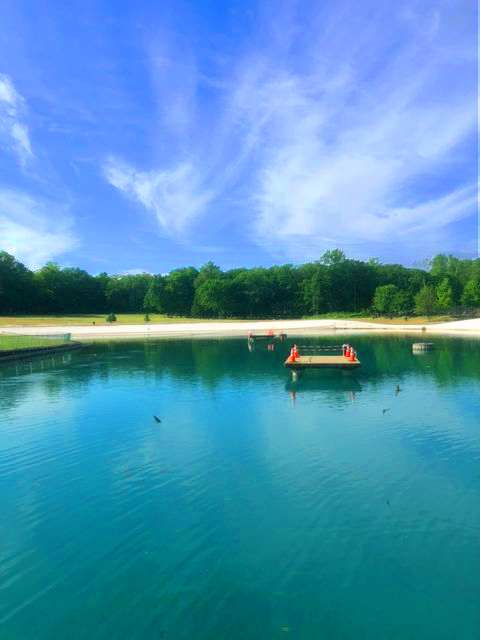
Darlington Lake: A Historical and Ecological Landmark in Bergen County

Nestled within the scenic landscapes of Bergen County, New Jersey, Darlington Lake stands as a testament to both natural beauty and human ingenuity. Located approximately 10 miles west of Hackensack, the lake borders Ramsey and Mahwah, offering residents and visitors a serene retreat amid the county’s bustling urban corridors. Unlike many lakes in the region, Darlington Lake’s origins trace back to engineered construction, designed primarily to serve as a water supply reservoir for the surrounding communities. Its history reflects the intersection of industrial necessity, environmental stewardship, and recreational evolution, making it a unique asset in Bergen County’s aquatic ecosystem.
The lake’s formation began in the early 20th century, as part of a broader effort to secure a reliable water source for rapidly growing municipalities in northern New Jersey. Constructed by the Darlington Water Company in the 1920s, the reservoir was completed in 1927 after years of earth-moving and dam construction. Initially, its primary function was to supplement municipal water distribution, particularly during droughts. Over time, however, its role expanded to include recreational use, as local communities recognized its potential for fishing, boating, and nature appreciation. Unlike natural lakes such as Greenwood Lake or the Wanaque River Reservoir, Darlington Lake was deliberately shaped to optimize water storage, featuring a surface area of approximately 120 acres and a maximum depth of 60 feet. Its artificial shoreline and controlled water levels distinguish it from Bergen County’s more organic water bodies, yet it shares ecological challenges such as invasive species management and water quality preservation.

Geographical Position and Proximity to Key Towns
Darlington Lake’s strategic location within Bergen County places it at the convergence of urban development and natural conservation. Situated in the Ramsey-Mahwah border region, the lake is easily accessible from major transportation routes, including Route 17 and Route 23, making it a convenient destination for outdoor enthusiasts. Its proximity to Hackensack (10 miles east), Ramsey (5 miles north), and Mahwah (7 miles west) ensures that it remains a focal point for both residential communities and commercial enterprises. The lake’s elevation of around 450 feet above sea level contributes to its role in regulating water flow for downstream areas, particularly during periods of heavy rainfall or drought.
A comparison of Darlington Lake’s geographical features against other prominent Bergen County lakes underscores its unique engineering and ecological balance. Below is a structured overview highlighting key attributes:
| Feature | Darlington Lake | Greenwood Lake | Wanaque River Reservoir | DeKay Lake (Passaic County) |
|---|---|---|---|---|
| Origin | Man-made (constructed 1920s) | Natural (glacial formation) | Man-made (1920s, expanded 1960s) | Man-made (1930s, Passaic County) |
| Surface Area | ~120 acres | ~1,200 acres | ~1,800 acres | ~150 acres |
| Maximum Depth | 60 feet | 100+ feet | 90 feet | 40 feet |
| Primary Water Source | Controlled reservoir inflow | Natural precipitation, tributaries | Wanaque River, tributaries | Ramapo River watershed |
| Ecological Challenges | Invasive species (e.g., zebra mussels), algae blooms | Water level fluctuations, invasive fish | Pollution runoff, sediment buildup | Nutrient pollution, shoreline erosion |
| Recreational Use | Fishing, kayaking, hiking trails | Boating, swimming, state park access | Limited public access, conservation focus | Hunting, fishing, private access |
While Greenwood Lake and the Wanaque River Reservoir boast significantly larger surface areas and deeper basins, Darlington Lake’s controlled environment allows for more stable water quality management. Its shallower depth relative to Greenwood Lake makes it more susceptible to algal growth, but its artificial structure also facilitates targeted conservation efforts, such as oxygenation systems to mitigate stagnation.
Historical Timeline: Milestones in Darlington Lake’s Development
The evolution of Darlington Lake can be divided into distinct phases, each marked by engineering achievements, environmental shifts, and community engagement. Below is a chronological overview of pivotal moments in its history:
- 1920–1927: Construction and Inauguration The Darlington Water Company initiated dam construction in 1920, with completion in 1927. The project involved excavating 1.5 million cubic yards of earth and erecting a concrete dam to regulate water levels. The lake was initially operated as a municipal water reservoir, supplying Hackensack and surrounding areas during water shortages.
- 1940s–1960s: Industrial and Agricultural Influence During this period, runoff from nearby farms and factories began affecting water quality. The lake’s sediment load increased, and early reports noted eutrophication (nutrient over-enrichment) due to agricultural fertilizers. Despite these challenges, the lake remained a critical backup water source during World War II.
- 1970s–1980s: Shift Toward Recreation and Conservation Recognizing the lake’s recreational potential, local governments and environmental groups advocated for public access. In 1978, Bergen County acquired partial ownership, leading to the establishment of Darlington Lake Park in the 1980s. This era also saw the first invasive species sightings, including carp and zebra mussels, which altered the lake’s aquatic ecosystem.
- 1990s–Present: Modern Management and Ecological Restoration The 1990s marked a turning point with the implementation of water quality monitoring programs and habitat restoration projects. In 2005, the Bergen County Department of Parks launched a fisheries management plan to control invasive species, while wetland buffers were introduced to reduce stormwater runoff. Recent initiatives, such as the 2018 algae treatment pilot program, demonstrate ongoing efforts to balance recreation, conservation, and water supply functions.
The lake’s history is also intertwined with local folklore and cultural significance. Elders from nearby Ramsey and Mahwah often recount stories of early 20th-century ice harvesting on Darlington Lake’s surface, a practice that ceased with the introduction of refrigeration. Additionally, the lake served as a training ground for WWII-era military exercises, further embedding it in the region’s collective memory.
Ecosystem Dynamics: Flora, Fauna, and Conservation Challenges
Darlington Lake’s ecosystem is a deliberately engineered yet naturally adaptive environment, hosting a diverse range of aquatic life, bird species, and plant communities. Unlike natural lakes, its artificial shoreline and controlled water levels create a unique habitat that supports both native and invasive species. The lake’s primary vegetation includes cattails, reeds, and water lilies, which stabilize the shoreline and provide shelter for fish. Submerged aquatic plants, such as elodea and hydrilla, contribute
Recreational Activities and Outdoor Adventures at Darlington Lake
Darlington Lake in Bergen County, New Jersey, stands as a vibrant hub for outdoor enthusiasts, offering a dynamic blend of seasonal activities that cater to all ages and skill levels. Whether navigating its tranquil waters, exploring its surrounding trails, or immersing oneself in its natural beauty, the lake provides year-round opportunities for adventure. From the adrenaline rush of jet skiing in summer to the serene experience of winter ice fishing, each season unveils unique ways to engage with this ecological gem. Below is a comprehensive guide to the recreational possibilities at Darlington Lake, including seasonal highlights, beginner-friendly guides, scenic trails, photography tips, equipment rental comparisons, and family-oriented attractions.
Seasonal Recreational Activities at Darlington Lake
Darlington Lake’s appeal shifts with the seasons, each offering distinct activities that leverage its natural landscape. Understanding these seasonal variations allows visitors to plan their trips effectively and maximize their outdoor experience.
Spring (March–May) Spring transforms Darlington Lake into a haven for renewal and exploration. The melting ice gives way to calm waters ideal for kayaking and canoeing, while migratory birds, such as herons and ducks, return, making it a prime time for birdwatching. The surrounding trails, though still damp, become accessible for hiking as wildflowers begin to bloom. Fishing also resumes, with trout and bass becoming active as water temperatures rise.
Summer (June–August) Summer is the peak season for water-based activities at Darlington Lake. Paddleboarding, jet skiing, and motorboating dominate the lake’s surface, while swimming is permitted in designated areas near the shore. The Darlington Lake Park trails are bustling with hikers, mountain bikers, and families enjoying picnics. Fly fishing for largemouth bass and sunfish is particularly popular, and evening sunset cruises provide a relaxing way to end the day. The lake also hosts community events, such as kayak races and outdoor concerts, fostering a lively atmosphere.
Fall (September–November) Autumn at Darlington Lake is a spectacle of color, with hiking and leaf-peeping trails becoming the primary attractions. The Darlington Lake Park trails, particularly the Blue Trail and Yellow Trail, offer stunning vistas of golden and red foliage. Fishing remains productive, with anglers targeting walleye and perch in cooler waters. Photography enthusiasts flock to the lake to capture reflections of autumn leaves on the water, especially during sunrise and sunset. Early winter brings opportunities for ice fishing as the lake begins to freeze, though this activity is more prominent in late fall.
Winter (December–February) Winter at Darlington Lake is a quieter, more contemplative experience. Ice fishing becomes a staple activity, with anglers drilling holes in the ice to target panfish and perch. The frozen lake also provides a rare chance for winter hiking along cleared trails, such as the Red Trail, which offers panoramic views of the snow-covered landscape. Cross-country skiing is possible on designated paths, and wildlife spotting—such as observing bald eagles and deer—becomes easier in the absence of foliage. For those seeking warmth, indoor facilities at nearby Darlington Lake Park may offer seasonal programs or rentals.
Step-by-Step Beginner’s Guides to Popular Activities
For first-time visitors, participating in Darlington Lake’s activities can seem daunting. Below are detailed, beginner-friendly guides for three of the most popular pursuits, including gear requirements and safety tips.
Paddleboarding at Darlington Lake Paddleboarding is a low-impact, full-body workout that offers a unique perspective of Darlington Lake’s waters. Beginners should follow these steps to ensure a safe and enjoyable experience:
- Choose the Right Gear: - Board: Start with a 10–12 foot all-around board for stability. Inflatable boards are ideal for beginners due to their portability. - Paddle: Select a paddle 6–8 inches taller than your height to avoid straining your back. - Leash: A coil leash attaches to your ankle to prevent the board from drifting away. - Personal Flotation Device (PFD): A Type III PFD (life jacket) is mandatory for safety.
- Select a Calm Location: - Begin near the shallow, sheltered areas of the lake, such as the northwestern cove, where wind and waves are minimal. - Avoid areas with boat traffic or near the main launch ramps during peak hours.
- Master the Basics: 1. Standing Up: Kneel on the board, hold the paddle, and kick your legs back to stand in a wide stance (feet shoulder-width apart). 2. Paddling: Turn the paddle parallel to the water, submerge the blade fully, and pull back toward your hip. Alternate sides to maintain balance. 3. Turning: Rotate your torso and paddle on one side to steer. For sharper turns, use sweep strokes.
- Safety Tips: - Check the Weather: Avoid paddling during wind gusts over 10 mph or thunderstorms. - Stay Hydrated: Bring water and wear sun protection (hat, sunscreen, sunglasses). - Know Your Limits: If you fall, hold onto the paddle and use it to float until you regain your board.
Jet Skiing at Darlington Lake Jet skiing offers an exhilarating way to explore Darlington Lake’s expansive waters. Follow this guide to ensure a thrilling yet safe experience:
- Rental Requirements: - Age: Renters must be at least 16 years old; those under 18 require adult supervision. - License: A New Jersey Boating Safety Education Certificate is required for operators born after May 1, 1987. - Gear: Rentals typically include a life jacket, but waterproof clothing and water shoes are recommended.
- Pre-Ride Checklist: 1. Inspect the Jet Ski: Ensure the kill switch lanyard, throttle, and steering function properly. 2. Fuel Up: Confirm the tank is at least half full before departure. 3. Review Safety Briefing: Listen to the rental provider’s instructions on starting the engine, handling waves, and emergency procedures.
- Riding Techniques: - Starting: Sit on the seat, place the kill switch lanyard around your wrist, and grip the handlebars firmly. Press the start button and gradually engage the throttle. - Turning: Lean into the turn and use the handlebars to steer. Avoid sharp turns at high speeds. - Stopping: Reduce speed gradually and use the brake lever if needed.
- Safety Precautions: - Never Ride Alone: Always have a buddy system in place. - Respect No-Wake Zones: Observe posted signs near swimming areas and shallow regions. - Watch for Wildlife: Be cautious of turtles, swans, and fish near the surface. - Avoid Alcohol: New Jersey law prohibits operating a jet ski with a BAC of 0.08% or higher.
Fly Fishing for Bass at Darlington Lake Fly fishing is a rewarding activity at Darlington Lake, particularly for largemouth bass, which thrive in its weedy shallows. Beginners should follow this structured approach:
- Essential Gear: - Rod and Reel: A 7–8 weight fly rod with a medium-fast action is ideal for bass. - Line: Floating line (weight-forward) in 4–6 weight for versatility. - Leader and Tippet: Use a 7.5–10 lb fluorocarbon leader with a 6–8 lb tippet to prevent break-offs. - Flies: Start with poppers, crankbaits (fly patterns), and soft plastics like Ned Riggs. - Other Tools: Polarized sunglasses, net, forceps, and a landing mat for safe fish handling.
- Choosing a Spot: - Shallow Weedy Areas: Bass often lurk near lily pads, fallen trees, and submerged vegetation along the eastern and southern shores. - Drop-Offs: Look for sudden depth changes (1–3 feet) where bass ambush prey. - Early Morning or Late Afternoon: These are the most active feeding times.
- Step-by-Step Casting Technique: 1. Grip the Rod: Hold the rod with your dominant hand near the rear third and your non-d
Fishing and Wildlife: Darlington Lake’s Aquatic Ecosystem
Darlington Lake in Bergen County serves as a thriving aquatic habitat, teeming with diverse fish species and supporting a rich ecosystem that extends beyond its waters. Anglers and wildlife enthusiasts flock to this 1,020-acre reservoir, drawn by its reputation for productive fishing and its role as a sanctuary for birds, mammals, and amphibians. The lake’s balanced ecosystem, shaped by seasonal changes and human conservation efforts, offers year-round opportunities for observation and recreation, while adhering to strict regulations ensures its sustainability for future generations.
The lake’s aquatic life reflects its depth variations, from shallow coves teeming with baitfish to deeper basins where predatory species lurk. Understanding the behaviors and habitats of Darlington Lake’s native fish, along with the proper gear and seasonal strategies, enhances the angling experience. Meanwhile, the lake’s shoreline and surrounding wetlands provide critical habitats for wildlife, making it a hotspot for birdwatching and ecological studies.
Native Fish Species and Seasonal Fishing Patterns
Darlington Lake hosts a variety of fish species, each adapted to specific habitats and seasonal conditions. Largemouth bass, a prized game fish, dominate the lake’s warmer, shallow waters during summer, particularly near weed beds and submerged structures where they ambush prey. Spring and fall offer cooler temperatures and increased activity, making them ideal for bass fishing with topwater lures or jigs. Smallmouth bass, found in deeper, rocky areas, thrive in the lake’s cooler zones and are most active during dawn and dusk in late summer.
The lake also supports walleye, a nocturnal species that feeds on shad and perch, often near drop-offs or near the thermocline layer in deeper waters. Spring and fall spawns trigger their feeding frenzies, with night fishing using jigs or live bait proving most effective. Yellow perch, abundant in weedy shallows, provide excellent panfish action, especially in early morning or late evening during summer. Channel catfish and bluegill are year-round residents, with catfish favoring muddy bottoms and bluegill thriving in dense vegetation.
For cold-water enthusiasts, rainbow trout are stocked periodically, particularly in winter, and can be caught through ice fishing using live bait like minnows. Brown trout are less common but present in deeper, cooler pockets, often near inflowing streams. The lake’s white perch and pickerel add to the diversity, with pickerel preferring weedy edges and white perch schooling in mid-depth waters during spawning season.
Essential Fishing Gear and Local Bait Shops
Selecting the right gear depends on the target species and fishing style. For largemouth and smallmouth bass, medium to heavy spinning or baitcasting rods (6’6”–7’6”) paired with braided or fluorocarbon lines (10–20 lb test) are ideal. Topwater plugs, crankbaits, and soft plastics like jerk baits or senkos mimic natural prey movements. Ice fishing requires a portable shelter, tip-ups, and a ice auger, with live bait such as shiners or waxworms. Fly fishing enthusiasts targeting trout or panfish should use a 5–7 weight rod with floating lines and nymphs or streamers.
For spin casting, a versatile setup for perch, bluegill, or catfish includes a medium-action rod (6’–6’6”) and monofilament line (4–12 lb test). Live bait like nightcrawlers or minnows on bobbers or Carolina rigs works well for panfish. Trolling for walleye or trout requires a boat with a trolling motor and downriggers, paired with deep-diving crankbaits or spoons.
Local bait shops such as Darlington Lake Bait & Tackle (near the lake’s eastern shore) and Ramapo River Sports in nearby Ramsey stock live bait, lures, and rentals. They also provide insights into current bite conditions and seasonal patterns. For specialized gear like fly rods or ice fishing equipment, The Fly Shop at Mahwah and Bass Pro Shops in Paramus offer expert recommendations.
Fishing Regulations and Licensing Requirements
Fishing in Darlington Lake is governed by New Jersey’s Division of Fish and Wildlife, with regulations designed to preserve the ecosystem’s health. A valid New Jersey fishing license is mandatory for anyone aged 16 or older, obtainable online via the NJ License Portal or at local sporting goods stores. Residents can purchase annual licenses for as low as $16, while non-residents pay $35 for a one-day license or $60 for an annual pass.
Size and creel limits vary by species: - Largemouth bass: 14” minimum length; daily limit of 6 fish. - Smallmouth bass: 12” minimum; daily limit of 6. - Walleye: 15” minimum; daily limit of 4. - Yellow perch: No minimum; daily limit of 25. - Channel catfish: No minimum; daily limit of 6. - Trout (rainbow/brown): No size limit; daily limit of 6 (possession limit of 10).
Prohibited methods include the use of dynamite, electricity, or toxic chemicals. Gill nets, traps, and spearfishing are also banned unless permitted for scientific research. Anglers must adhere to catch-and-release guidelines, especially during spawning seasons (typically March–June), to protect fish populations. Violations may result in fines up to $500 and equipment confiscation.
For the latest regulations, consult the NJ Fishing Regulations Guide or contact the NJ Division of Fish and Wildlife at (609) 292-9400.
Wildlife Observation and Ethical Practices
Darlington Lake’s shoreline and wetlands attract a diverse array of wildlife, making it a prime location for birdwatching and ecological studies. Great blue herons and green herons are common sights, wading along the edges in search of fish and amphibians. Ospreys, easily identifiable by their distinctive dive-bombing technique, nest near the lake’s western shore, while bald eagles have been spotted in winter, scavenging for fish. Sandhill cranes and great egrets migrate through the area in spring and fall, adding to the avian diversity.
Mammals such as beavers and muskrats engineer wetlands through dam-building, creating ideal habitats for fish and insects. River otters, elusive but increasingly visible, are often seen near the lake’s rocky outcroppings or during dawn patrols. White-tailed deer frequent the wooded areas surrounding the lake, while foxes and raccoons are active at night. Amphibians like bullfrogs, green frogs, and wood frogs thrive in the lake’s shallows, with their calls echoing loudly during spring breeding seasons.
Ethical wildlife observation involves maintaining a respectful distance (at least 30–50 feet for nesting birds) and avoiding disturbances, particularly during mating or nesting seasons (March–July). Use binoculars or a spotting scope to avoid flushing animals from their habitats. Feeding wildlife is prohibited, as it disrupts natural behaviors and can lead to dependency on human food sources. Photographers should avoid using flash or drones, which can stress wildlife. For guided birdwatching or wildlife tours, contact Bergen County Audubon Society or local eco-tour operators like North Jersey Eco-Tours.
Notable Catches and Conservation Success Stories
Darlington Lake has produced several record-breaking catches and rare sightings, cementing its reputation among anglers. In 2018, local angler Mark Reynolds landed a 12.5-pound largemouth bass, surpassing the previous lake record by 2 pounds. The fish was released after measurements, adhering to catch-and-release ethics. In 2020, a 22-inch brown trout was caught during a winter ice fishing derby, a rare sight given the species’ preference for colder, deeper waters.
Wildlife enthusiasts have documented bald eagle nests along the lake’s northern shore, with chicks successfully fledging in 2021 and 2023. The New Jersey Department of Environmental Protection (NJDEP) has also recorded massive beaver dam expansions, which improved water quality by filtering sediments and providing fish nurseries. Invasive species like zebra mussels have been monitored but kept in check through regular water testing and habitat management.
Conservation programs such as the Darlington Lake Watershed Protection Plan, led by the Raritan Valley Water
Boating and Water Sports at Darlington Lake: Safety, Regulations, and Local Insights
Darlington Lake, nestled within the scenic landscapes of Bergen County, offers an ideal playground for boating enthusiasts and water sports aficionados. Navigating its tranquil yet dynamic waters requires adherence to strict safety protocols and local regulations to ensure a secure and enjoyable experience. Whether you're a seasoned angler or a novice paddler, understanding the rules, registration processes, and emergency preparedness is essential. This section explores the specific boating guidelines for Darlington Lake, the steps to legally register a vessel in New Jersey, and practical insights on renting versus owning a boat. Additionally, it covers critical safety measures for water emergencies, recommended marinas, and how to interpret navigational aids, along with local water sports schools for skill development.
Boating Rules and Regulations for Darlington Lake
Darlington Lake operates under the jurisdiction of the New Jersey State Police Marine Patrol and Bergen County Park Commission, enforcing state and local boating laws to maintain safety and preserve the lake’s ecosystem. Key regulations include speed limits, alcohol restrictions, and mandatory safety equipment. Speed limits are typically set at 10 miles per hour (mph) in designated no-wake zones, particularly near swim areas, docks, and within 100 feet of shorelines. Outside these zones, the general speed limit is 25 mph, though some areas may impose stricter limits during peak recreational hours. Alcohol consumption is prohibited for boat operators and passengers while the vessel is in motion, with a 0.08% blood alcohol concentration (BAC) limit for operators. Violations can result in fines up to $500 and potential boat confiscation.
Safety equipment requirements for all vessels on Darlington Lake include: - U.S. Coast Guard-approved life jackets for each passenger, with one Type IV (throwable) device onboard for boats under 16 feet. - Visual distress signals (e.g., flares, flags) for boats over 16 feet. - Fire extinguishers (Type B) for vessels with enclosed cabins or fuel capacity over 25 gallons. - Sound-producing devices (e.g., horns, whistles) for boats over 26 feet. - Navigation lights during low-visibility conditions (dawn, dusk, or nighttime).
blockquote "New Jersey boating laws prioritize safety without compromising recreational enjoyment. Always check for updated regulations via the NJ State Police Marine Patrol or Bergen County Park Commission before launching."
Step-by-Step Guide to Registering a Boat in New Jersey for Darlington Lake
Registering a boat in New Jersey ensures compliance with state laws and allows access to Darlington Lake’s waters. The process involves titling, registration, and obtaining necessary permits, with deadlines and fees varying by vessel type. Below is a structured guide to navigate the requirements:
1. Determine Vessel Classification - Motorboats: Require registration if powered by an engine. - Sailboats: Must be registered if over 12 feet in length. - Personal Watercraft (PWC): Always require registration. - Non-motorized vessels (e.g., kayaks, canoes) do not need registration unless used for commercial purposes.
2. Gather Required Documents - Proof of ownership (bill of sale, manufacturer’s statement, or previous registration). - Manufacturer’s Hull Identification Number (HIN) for motorized vessels. - Proof of identity (driver’s license or passport). - Payment for fees (credit/debit card or check).
3. Apply for Registration - Online: Via the New Jersey Motor Vehicle Commission (NJ MVC) website, under the "Boat Registration" section. - In-Person: At a NJ MVC office or Bergen County Clerk’s Office during business hours. - By Mail: Submit forms via NJ MVC Boat Registration, P.O. Box 46000, Trenton, NJ 08646.
4. Pay Registration Fees - Motorboats: $25 for a 3-year registration (prorated for partial years). - Sailboats: $15 for 3 years. - PWC: $30 for 3 years. - Late Fees: $20 if registered after the deadline (typically 30 days from purchase or first use in NJ waters).
5. Display Registration Decals - Affix the registration decal to the stern (rear) of the boat and carry the registration card onboard at all times.
blockquote "Registration deadlines are critical—operating an unregistered vessel in New Jersey can result in fines up to $100 and mandatory registration retroactively, including backdated fees."
Renting vs. Owning a Boat for Darlington Lake: Cost Breakdown and Considerations
Deciding between renting and owning a boat depends on budget, frequency of use, and long-term goals. Below is a comparative analysis of costs and benefits for Darlington Lake, where rental options are popular due to seasonal demand.
| Factor | Renting a Boat | Owning a Boat |
|---|---|---|
| Upfront Cost | $50–$300/day (pontoon, speedboat) | $5,000–$50,000+ (new/used) |
| Weekend Rental (2 days) | $200–$800 (including fuel, insurance) | $0 (but includes maintenance) |
| Monthly Rental | $1,500–$4,000 (storage often included) | $200–$800/month (mooring fees) |
| Annual Storage | Included in rental packages | $500–$2,000/year (covered slip) |
| Insurance | Covered by rental company | $300–$1,500/year (liability/hull) |
| Fuel Costs | Included or $50–$200/day (varies) | $500–$2,000/year (usage-dependent) |
| Maintenance | None (handled by provider) | $500–$3,000/year (repairs, cleaning) |
| Permits/Registration | Not required (rental company handles) | $25–$30 (one-time or annual) |
| Best For | Occasional users, testing waters | Frequent users, long-term investment |
Pros of Renting: - No long-term commitment—ideal for testing different boat types. - Zero maintenance hassle—rental companies handle repairs and storage. - Access to premium models (e.g., luxury yachts, party boats) without ownership costs.
Cons of Renting: - Limited availability during peak seasons (summer weekends). - No customization—boats are pre-configured for general use. - Hidden fees (e.g., damage deposits, cleaning charges).
Pros of Owning: - Flexibility—use the boat at any time without scheduling conflicts. - Personalization—modify seating, storage, or equipment to suit preferences. - Resale value—boats retain value if well-maintained (e.g., a 20-foot pontoon may resell for 60–80% of original price after 5 years).
Cons of Owning: - High initial and recurring costs—depreciation, insurance, and maintenance add up. - Storage challenges—Darlington Lake lacks on-site marinas, requiring off-site storage (e.g., Bergen Marine in Lyndhurst or Ramapo River Marina in Mahwah). - Liability risks—accidents or property damage may lead to lawsuits.
blockquote "For occasional users, renting from local providers like Darlington Lake Marina or North Jersey Boat Rentals (based in Wayne) offers convenience without financial strain. Ownership is justified only for those planning 20+ days of use annually."
Safety Protocols for Common Water Emergencies and Local Emergency Contacts
Water emergencies on Darlington Lake can range from minor mishaps to life-threatening situations. Preparedness involves knowing how to respond to capsizing, engine failure, medical distress, or environmental hazards (
Events, Festivals, and Community Life Around Darlington Lake
Darlington Lake is not just a haven for nature enthusiasts and outdoor adventurers—it is also a vibrant hub for community gatherings, cultural celebrations, and seasonal festivities. Each year, the lake hosts a diverse calendar of events that attract locals and visitors alike, fostering a sense of belonging and economic vitality in Bergen County. From fishing derbies and art festivals to family-friendly workshops and holiday markets, these events transform Darlington Lake into a dynamic gathering place where traditions are celebrated, new friendships are formed, and the natural beauty of the region takes center stage.
The annual events at Darlington Lake reflect the lake’s multifaceted role as both a recreational space and a community anchor. Organized by local government agencies, nonprofits, and passionate volunteers, these gatherings often highlight the lake’s ecological significance while providing entertainment, education, and economic benefits. Many events, such as the Darlington Lake Fishing Derby or the Bergen County Arts & Nature Festival, have deep historical roots, tracing back decades and serving as pillars of the local calendar. Meanwhile, newer initiatives, like kids’ fishing clinics and sustainability workshops, reflect evolving community priorities. Below, explore the most significant events, their impact on the local economy, and opportunities for participation, as well as a comparison of Darlington Lake’s festive atmosphere to other Bergen County lakes.
Annual Events Calendar and Highlights
Darlington Lake’s event calendar is a year-round tapestry of activities, with each season offering unique experiences. The Spring Fishing Derby, typically held in May, marks the unofficial kickoff to outdoor activities, while the Autumn Harvest Festival in October celebrates the region’s agricultural heritage. Winter brings the Holiday Lights & Market along the lakefront, and summer is dominated by the Darlington Lake Music & Arts Festival, featuring live performances and local vendors.
Below is a summary of the top 5 must-attend events, including dates, locations, and unique features. For the most up-to-date information, visitors are encouraged to check the Bergen County Parks & Recreation and Darlington Lake Community Association websites.
Key Events and Their Community Impact
Darlington Lake Fishing Derby Held annually in late May, this event is one of the most anticipated gatherings for anglers of all skill levels. Organized by the Bergen County Department of Parks and Recreation, the derby offers prizes for the largest catch, most fish caught, and even categories for youth participants. In 2023, over 300 anglers registered, generating an estimated $15,000 in local economic activity through vendor booths, food trucks, and entry fees ($25 per person). The event also partners with local bait shops and tackle stores, further boosting small businesses.
> "This derby isn’t just about fishing—it’s about bringing families together," says Mark Reynolds, a longtime organizer and owner of Reynolds’ Bait & Tackle in Paramus. "We’ve had grandfathers teaching their grandchildren how to cast, and first-time anglers catching their limit. It’s heartwarming to see the lake become a classroom for conservation too."
The derby also includes educational workshops on catch-and-release practices and habitat preservation, aligning with Darlington Lake’s ecological stewardship goals.
Family-Friendly Activities and Community Engagement
Darlington Lake places a strong emphasis on inclusive, family-oriented events that encourage intergenerational participation. Programs like the Kids’ Fishing Clinic (held in June) and Nature Craft Workshops (September) are designed to introduce children to outdoor skills while fostering a lifelong appreciation for nature.
- Kids’ Fishing Clinic: A free, one-day event where children aged 5–12 learn basic fishing techniques, knot-tying, and fish identification. Volunteers from Trout Unlimited and local scouting groups assist, and each child receives a fishing rod and tackle kit to take home. In 2022, 120 children participated, with 85% reporting increased interest in outdoor activities post-event (per a post-clinic survey). - Nature Craft Workshops: Held in partnership with the Bergen County 4-H Club, these workshops teach kids how to create birdhouses, leaf rubbings, and wildlife-friendly gardens. Materials are provided, and families are encouraged to take their creations home to enhance their yards or local parks.
> "These programs are about more than just fun—they’re about building a community that cares for Darlington Lake," explains Sarah Chen, a volunteer coordinator for the Darlington Lake Community Association. "When kids see the impact of litter on the water or learn how plants support fish, they become stewards of the environment."
Volunteer Opportunities and Behind-the-Scenes Efforts
The success of Darlington Lake’s events relies heavily on volunteer contributions, with roles ranging from event setup and security to educational outreach and cleanup. Volunteers gain exclusive behind-the-scenes access, networking opportunities, and a deeper connection to the community.
How to Get Involved: Volunteers can sign up through the Bergen County Volunteer Portal or by contacting the Darlington Lake Community Association directly. Common roles include: - Event Logistics: Assisting with booth setup, signage, and crowd control (especially during large festivals). - Educational Outreach: Leading workshops on topics like wildlife conservation or sustainable boating. - Cleanup Crews: Participating in pre- and post-event litter removal to maintain the lake’s pristine condition. - Security & First Aid: Certified volunteers may assist with event safety, particularly during high-traffic periods.
> "Last year’s Harvest Festival had over 500 attendees, and without our volunteers, we couldn’t have managed the crowds, vendors, or live music smoothly," shares James Delgado, a festival coordinator. "People often tell us they volunteer because they want to give back to the place they love—Darlington Lake."
Comparing Darlington Lake’s Festivals to Other Bergen County Lakes
While Darlington Lake boasts a tight-knit, community-driven festival scene, its atmosphere differs from larger lakes like Greenwood Lake or Ramapo Lake, which often host regional or state-level competitions. Below is a comparison of key differences:
| Aspect | Darlington Lake | Greenwood Lake | Ramapo Lake |
|---|---|---|---|
| Event Scale | Small to medium (50–500 attendees) | Large (500–2,000+ attendees) | Medium to large (300–1,500 attendees) |
| Primary Focus | Community, education, local vendors | Competitive fishing, boating races, concerts | Family recreation, sports tournaments |
| Economic Impact | Supports local bait shops, artisans, and cafés | Draws regional tourism, benefits hotels/restaurants | Boosts nearby retail and rental businesses |
| Unique Features | Strong volunteer base, eco-education emphasis | Hosts NJ State Fishing Championships | Features annual triathlon events |
| Atmosphere | Laid-back, interactive, educational | Festive, high-energy, spectator-focused | Active, sports-oriented, family-centric |
Darlington Lake’s events are characterized by their intimate scale and grassroots organization, creating a sense of ownership among participants. In contrast, Greenwood Lake’s festivals often attract larger crowds and professional athletes, while Ramapo Lake leans toward competitive sports and large-scale tournaments. However, Darlington Lake’s emphasis on sustainability and community-building makes its events uniquely engaging for families and nature enthusiasts.
Infographic: Top 5 Must-Attend Events at Darlington Lake
Below is a structured overview of the most popular annual events, including dates, locations, and standout features.
| Event Name | Date (2024) | Location | Unique Features | Accommodations, Dining, and Nearby Attractions for Visitors to Darlington Lake
Darlington Lake offers a perfect blend of natural beauty and convenient amenities, making it an ideal destination for travelers seeking relaxation, adventure, or a mix of both. Whether planning a weekend escape or an extended stay, visitors can explore a range of lodging options tailored to different budgets and preferences, paired with local dining spots that showcase Bergen County’s culinary diversity. Beyond the lake’s immediate surroundings, hidden gems and well-planned itineraries enhance the experience, ensuring every visit leaves a lasting impression.
For those prioritizing comfort and accessibility, Darlington Lake’s proximity to major Bergen County hubs like Hackensack and Paterson ensures seamless connectivity. Public transportation and bike-friendly paths further simplify exploration, while pet-friendly accommodations and dining options cater to visitors traveling with their furry companions. Below, discover curated recommendations for lodging, dining, and nearby attractions, along with practical tips for crafting an unforgettable getaway.
Curated Lodging Options Near Darlington Lake by Type and BudgetVisitors to Darlington Lake have diverse accommodation choices, ranging from budget-friendly cabins to luxury resorts, all within a 15-minute drive. The selection includes traditional hotels, cozy Airbnb rentals, and family-owned inns, each offering unique amenities to suit different travel styles. Below is a categorized breakdown of top-rated options, incorporating guest reviews and standout features to aid decision-making. Budget-Friendly ($50–$120/night)Comparison Table: Top 5 Restaurants and Cafés Within 15 Minutes of Darlington LakeDarlington Lake’s dining scene reflects Bergen County’s cultural diversity, from farm-to-table eateries to international cuisines. The following table highlights five highly rated establishments, including their specialties, pricing, and signature dishes. Reservations are recommended for weekends, especially for popular spots like The Black Cow or Ramapo Inn.
Planning a Day Trip or Weekend Getaway Around Darlington LakeA well-structured itinerary maximizes enjoyment based on visitors’ interests, whether seeking adrenaline-pumping activities, serene relaxation, or family-friendly fun. Below are three sample itineraries, each designed for a full day or weekend, incorporating dining, exploration, and downtime. Adventure Itinerary (For Thrill-Seekers)From its role as a lifeline for early settlers to its current status as a hidden gem for modern explorers, Darlington Lake embodies the balance between human ingenuity and untamed nature. Whether casting a line for trophy bass, hiking through autumn foliage, or simply enjoying a lakeside picnic, visitors leave with more than memories—they carry a deeper appreciation for Bergen County’s lesser-known treasures. As conservation efforts continue to protect its waters and wildlife, Darlington Lake remains a testament to how thoughtful stewardship can transform a functional reservoir into a cherished community asset, waiting to be rediscovered by those who seek its quiet allure. |
|---|
Leave a Comment
Comments are moderated before appearing. The data you submit is processed according to the Privacy Policy of Vetlife Archive.