Exploring Calaway Park Calgary AB Canada A Hidden Urban Oasis
Table of Contents
- Overview of Calaway Park: A Premier Destination in Calgary, AB
- Historical Background and Development Milestones
- Geographical Location, Size, and Natural Features
- Breakdown of Park Amenities and Accessibility Features
- Comparative Analysis: Calaway Park vs. Other Major Calgary Parks
- Recreational Activities and Outdoor Adventures in Calaway Park
- Hiking Trails for All Levels
- Cycling Adventures Along River and Trail Networks
- Birdwatching and Wildlife Photography Spots
- Water-Based Activities: Canoeing, Kayaking, and Fishing
- Wildlife and Nature Conservation in Calaway Park: A Sanctuary for Biodiversity
- Native Flora and Fauna: Ecological Significance in Calaway Park
- Responsible Wildlife Observation: Ethical Guidelines for Visitors
- Conservation Efforts: Protecting Calaway Park’s Ecosystem
- Facilities and Services for Visitors: What to Expect at Calaway Park
- Visitor Services and Safety Infrastructure
- Nearby Attractions, Dining, and Accommodations Within 10 Kilometers
- Accessibility Features for All Visitors
- Cost Comparison: Calaway Park vs. Regional Parks
- Community Engagement and Events at Calaway Park: Building Connections Through Shared Experiences
- Annual Events and Festivals: Celebrating Culture and Nature
- Volunteer Opportunities: Contributing to Conservation and Community
- Initiatives for Youth, Seniors, and Local Partnerships
- Upcoming Events: A Six-Month Calendar of Community Gatherings
- Safety and Practical Tips for Visiting Calaway Park
- Wildlife Encounters and Environmental Hazards
- Essential Items for a Day Trip to Calaway Park
- Park Rules and Regulations
- First-Aid Scenarios and Basic Treatments
Nestled along the Bow River in Calgary’s southeastern edge, Calaway Park stands as a testament to urban nature’s harmonious blend, offering over 1,300 acres of trails, wildlife, and recreational space. From its origins as a floodplain to its transformation into a premier destination for outdoor enthusiasts, the park’s evolution reflects Calgary’s commitment to preserving green spaces amid rapid growth. Its diverse ecosystems—spanning wetlands, forests, and open meadows—create a sanctuary where visitors can escape city life while encountering rare species like the burrowing owl or the western painted turtle.
Beyond its ecological significance, Calaway Park serves as a dynamic hub for adventure, community, and conservation, hosting everything from beginner-friendly hiking loops to guided wildlife tours and seasonal festivals. Unlike its more tourist-heavy counterparts like Fish Creek Park, Calaway’s quieter ambiance and extensive trail network make it a favored spot for birdwatchers, photographers, and families seeking a respite from urban noise. Yet, its proximity to downtown Calgary—just a 20-minute drive—ensures accessibility without compromising the wilderness experience. This guide delves into the park’s history, hidden gems, and practical tips for making the most of its offerings year-round.

Overview of Calaway Park: A Premier Destination in Calgary, AB
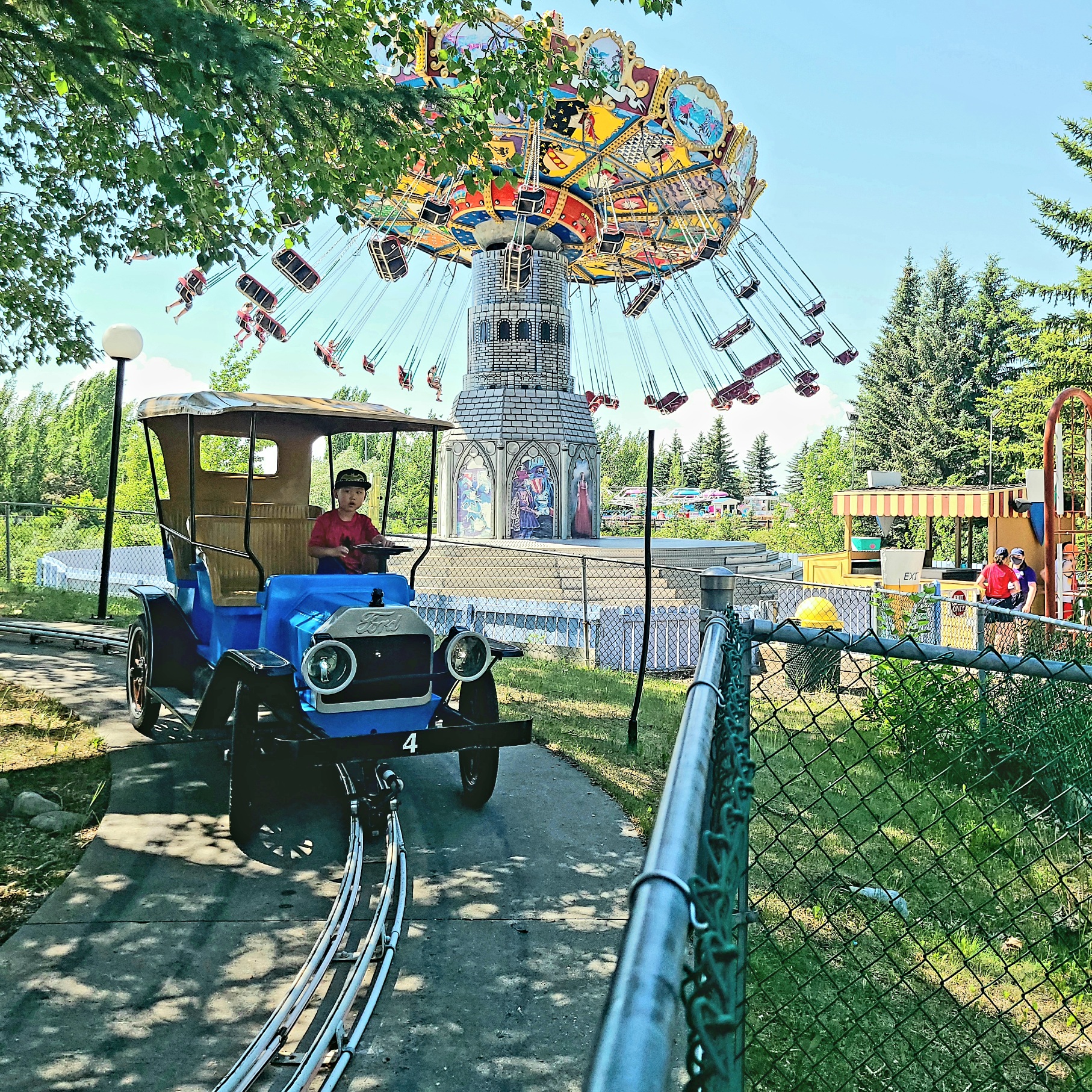
Calaway Park stands as one of Calgary’s most cherished recreational spaces, blending natural beauty with community-centric amenities. Established as a vital green lung in the city’s northeast quadrant, the park has evolved from a modest natural area into a multifaceted hub catering to outdoor enthusiasts, families, and athletes. Its development reflects Calgary’s commitment to preserving urban wilderness while fostering inclusive public spaces. Spanning 160 hectares, the park offers a sanctuary for wildlife, diverse trails, and a range of facilities designed to accommodate all ages and abilities. Its strategic location near major arterial roads and residential neighborhoods enhances accessibility, making it a cornerstone of Calgary’s outdoor lifestyle.
The park’s origins trace back to its designation as a natural area in the 1960s, long before urban sprawl encroached upon the region. Over the decades, Calaway Park has undergone significant transformations, driven by community feedback and environmental stewardship initiatives. Today, it serves as a model for sustainable urban park design, integrating ecological conservation with recreational functionality. The park’s proximity to the Bow River and its position within the city’s greenbelt system further solidify its role as a critical ecological corridor for local flora and fauna.

Historical Background and Development Milestones
Calaway Park’s story begins with its initial designation as a protected natural area in the 1960s, a period when Calgary was rapidly expanding its urban footprint. The park’s name pays homage to William Calaway, a prominent early settler in the region, whose legacy is preserved through this urban oasis. By the 1980s, the City of Calgary recognized the need to develop the park’s recreational potential, leading to the construction of basic amenities such as picnic shelters and walking paths. A pivotal moment arrived in the 2000s with the completion of the Calaway Park Sports Complex, which included synthetic turf fields, a running track, and a community center. This phase marked a shift toward creating a destination for organized sports and large-scale events.
The 2010s witnessed further enhancements, including the expansion of trail networks, the installation of accessible facilities, and the introduction of wildlife-friendly infrastructure. Notably, the 2017 renovation of the Calaway Park Dog Park and the 2019 upgrade of the splash pad reflected the city’s focus on inclusivity and family-friendly design. These milestones underscore Calaway Park’s adaptive growth, ensuring it remains relevant to evolving community needs.
"Calaway Park is more than just green space; it’s a living testament to Calgary’s dedication to balancing urban development with environmental conservation." — Calgary Parks Foundation, 2022
Geographical Location, Size, and Natural Features
Situated in the northeast quadrant of Calgary, Calaway Park spans 160 hectares, making it one of the city’s largest urban parks. Its boundaries are defined by 17th Street NE to the north, 37th Street NE to the east, 24th Avenue NE to the south, and 24th Street NE to the west, placing it within easy reach of neighborhoods such as Hazel Haven, Windermere, and McKenzie Towne. The park’s proximity to the Bow River and its integration into the Fish Creek Provincial Park corridor enhance its ecological significance, providing a critical habitat for species like beavers, deer, and over 100 bird species, including bald eagles and great blue herons.
The park’s topography features rolling hills, dense wooded areas, and open meadows, offering varied landscapes for exploration. The Calaway Creek, a tributary of the Bow River, meanders through the park, creating a serene waterway ideal for canoeing and wildlife observation. The trail system, totaling over 10 kilometers, includes paved paths for walking, cycling, and jogging, as well as rugged trails for hiking and cross-country skiing in winter. The presence of wetland areas further enriches the park’s biodiversity, serving as a natural filter for stormwater runoff.
"The park’s wetland ecosystems play a crucial role in maintaining water quality and supporting Calgary’s urban wildlife populations." — Alberta Environment and Parks, 2021
Breakdown of Park Amenities and Accessibility Features
Calaway Park’s amenities cater to a wide spectrum of recreational activities, ensuring year-round engagement for visitors. The park’s sports facilities include: - Three synthetic turf fields for soccer, football, and lacrosse. - A 400-meter running track encircling the sports complex. - Basketball and tennis courts, available for public use. - Skate parks featuring street-style and vert ramps, designed for skateboarding and BMX.
For families, the park offers three playgrounds, including the Calaway Park Playground, equipped with inclusive play structures for children of all abilities. Picnic areas with grills and shaded seating are scattered throughout the park, accommodating gatherings of up to 100 people per shelter. The Calaway Park Dog Park, a 7-acre off-leash area, provides a dedicated space for canine companions, complete with agility equipment and waste stations.
Accessibility is a cornerstone of the park’s design, with features such as: - Paved, wheelchair-accessible trails connecting major amenities. - Ramps and tactile paving at playgrounds and sports facilities. - Accessible picnic shelters and restroom facilities. - Sensory-friendly zones in playground areas to accommodate visitors with autism or other sensory sensitivities.
"Inclusive design ensures that Calaway Park remains a welcoming space for all Calgarians, regardless of physical ability or age." — Calgary Accessibility Advisory Committee, 2020
Comparative Analysis: Calaway Park vs. Other Major Calgary Parks
While Calgary boasts an array of exceptional parks, each offers unique strengths. Below is a comparative table highlighting Calaway Park’s amenities against those of Fish Creek Park and Nose Hill Park, two of the city’s most visited natural spaces.
| Feature | Calaway Park | Fish Creek Park | Nose Hill Park |
|---|---|---|---|
| Size | 160 hectares | 1,200 hectares (largest urban park in North America) | 1,100 hectares |
| Primary Trails | 10+ km (paved and rugged) | 40+ km (varied terrain, including river trails) | 30+ km (hiking, mountain biking, and equestrian paths) |
| Sports Facilities | 3 synthetic turf fields, running track, skate parks, basketball/tennis courts | Limited (primarily natural terrain, no dedicated sports complex) | Equestrian trails, limited sports fields |
| Playgrounds | 3 (including inclusive designs) | 5 (spread across the park) | 2 (smaller, less frequented) |
| Wildlife Habitats | Wetlands, Bow River tributary, diverse bird species | Extensive riverine ecosystems, elk herds, abundant wildlife | Prairie grasslands, bison herds (in nearby areas), diverse birdlife |
| Accessibility Features | Paved trails, ramps, sensory-friendly zones, accessible restrooms | Limited paved trails, some accessible paths near amenities | Rugged terrain, limited accessibility infrastructure |
| Unique Offerings | Dog park, splash pad, community sports complex, splash pad | River rafting, canoeing, large-scale events (e.g., Calgary Stampede) | Off-leash dog areas, stargazing opportunities, prairie conservation |
While Fish Creek Park and Nose Hill Park
Recreational Activities and Outdoor Adventures in Calaway Park
Calaway Park in Calgary, Alberta, stands as a haven for outdoor enthusiasts, offering a rich tapestry of recreational opportunities that cater to all skill levels and interests. Nestled along the Bow River, the park’s diverse landscapes—spanning wooded trails, open meadows, and riverbanks—create an ideal backdrop for hiking, biking, wildlife observation, and water-based adventures. Whether seeking solitude in nature, family-friendly exploration, or adrenaline-fueled escapades, visitors can immerse themselves in activities that harmonize with the park’s natural beauty. The following sections outline the breadth of experiences available, from guided trail walks to seasonal water sports, ensuring every visit to Calaway Park becomes a memorable outdoor adventure.
Hiking Trails for All Levels
Calaway Park features a network of well-maintained trails that weave through its 1,100 acres of protected natural spaces, offering hikers a mix of gentle strolls and challenging ascents. The park’s trails are designed to showcase its ecological diversity, with routes passing by wetlands, river valleys, and upland forests. For beginners, the Bow River Pathway provides an accessible entry point, while seasoned hikers can tackle the Calaway Ridge Trail, which climbs to elevated viewpoints overlooking the river valley. Trails are clearly marked with signs and offer interpretive plaques detailing local flora, fauna, and geological features, enhancing the educational aspect of the experience.
Beginner-Friendly Hiking: The Calaway Meadows Loop For those new to hiking, the Calaway Meadows Loop is an excellent starting point. This 3.2-kilometer (2-mile) trail is rated as easy to moderate, with a total elevation gain of approximately 60 meters (200 feet). The loop begins near the park’s main entrance and follows a gentle gradient through open meadows, where wildflowers bloom in summer and golden grasses sway in the fall. Key highlights include: - Scenic River Views: The trail skirts the Bow River, offering glimpses of the waterway and opportunities to spot herons, ducks, and occasional beavers. - Wildlife Encounters: Visitors may observe deer, rabbits, and a variety of bird species, including warblers and sparrows, particularly in spring and early summer. - Historical Landmarks: Interpretive signs along the trail discuss the park’s Indigenous heritage and early settler history, adding cultural context to the natural scenery.
Safety Tips for Hikers - Footwear: Wear sturdy, closed-toe shoes with ankle support, especially on rocky or uneven terrain. - Hydration: Carry at least 2 liters of water per person, as shaded areas can be limited on sunny days. - Trail Etiquette: Stay on marked paths to preserve vegetation and avoid disturbing wildlife. Yield to uphill hikers and keep dogs leashed. - Weather Awareness: Check the forecast before heading out; sudden weather changes are common in the Alberta foothills. Avoid hiking during lightning storms or extreme heat. - Navigation: Download offline maps or use a GPS device, as cell service can be unreliable in remote areas.
Cycling Adventures Along River and Trail Networks
Calaway Park is a cyclist’s paradise, with over 12 kilometers (7.5 miles) of paved and gravel trails that connect to broader regional pathways, including the Bow River Pathway and TransCanada Trail. The park’s cycling routes are designed to accommodate mountain bikes, road bikes, and fat-tire bikes, with varying difficulty levels to suit all riders. Popular routes include: - The Riverfront Loop: A 5-kilometer (3-mile) paved path that follows the Bow River, offering smooth terrain and panoramic views of the waterway. - Calaway Ridge Challenge: A 10-kilometer (6-mile) gravel trail with moderate climbs, ideal for intermediate riders seeking a workout. - Family-Friendly Trails: The Meadows Path, a 3-kilometer (1.8-mile) loop, is perfect for children and those new to biking, featuring gentle slopes and wide paths.
Bike Rentals and Safety Guidelines - Rental Services: Nearby providers such as Bike & Bean in downtown Calgary and Calgary Bike Rentals offer e-bikes, mountain bikes, and hybrid models for day-use. Reservations are recommended during peak seasons (June–September). - Trail Rules: - Helmets: Mandatory for all riders under 18; strongly recommended for adults. - Speed Limits: Observe posted speed zones, especially near pedestrian areas. - Bike Maintenance: Ensure brakes, tires, and gears are functional before setting out. Carry a basic repair kit, including a pump and spare tube. - Best Seasons: Cycling is year-round, but winter rides require fat-tire bikes or snow tires for stability on icy paths. Summer and fall offer the most comfortable temperatures, typically between 15°C and 25°C (59°F–77°F).
Birdwatching and Wildlife Photography Spots
Calaway Park’s strategic location along the Bow River and its surrounding wetlands make it a prime destination for birdwatchers and nature photographers. The park hosts over 200 bird species, including migratory waterfowl, raptors, and songbirds. Key hotspots include: - The Wetlands Boardwalk: A 1-kilometer (0.6-mile) elevated trail that provides unobstructed views of ducks, geese, and herons in their natural habitat. - Riverbank Overlooks: Scattered along the Bow River Pathway, these spots are ideal for spotting ospreys, bald eagles, and great blue herons, particularly during dawn and dusk. - Meadows and Upland Forests: In spring and summer, these areas teem with warblers, sparrows, and hummingbirds, offering photographers opportunities to capture dynamic action shots.
Photography Tips for Calaway Park - Golden Hours: Schedule shoots during sunrise or sunset to capture soft lighting and long shadows, enhancing the park’s natural colors. - Equipment: A DSLR or mirrorless camera with a telephoto lens (200mm–400mm) is ideal for wildlife photography. A tripod stabilizes shots in low-light conditions. - Ethical Practices: Maintain a respectful distance from wildlife to avoid disturbing nesting or feeding behaviors. Use zoom lenses to capture close-ups without intrusion. - Seasonal Highlights: - Spring (April–June): Migration season brings rare species like sandhill cranes and whimbrels. - Summer (July–August): Dragonflies, butterflies, and nesting birds dominate the scene. - Fall (September–October): Waterfowl gather in large flocks, creating stunning group shots. - Winter (November–March): Bald eagles and owls become more visible against the snow-covered landscape.
Water-Based Activities: Canoeing, Kayaking, and Fishing
The Bow River, which borders Calaway Park, provides a tranquil setting for water-based adventures, including canoeing, kayaking, and fishing. The river’s calm currents and scenic surroundings make it accessible for beginners, while its depth and flow offer challenges for experienced paddlers. Key activities and regulations include:
Paddling on the Bow River - Best Seasons: Paddling is ideal from May through October, when water levels are stable and temperatures are mild. Avoid early spring (March–April) due to high water and potential debris from ice melt. - Rental Services: - Bow River Canoe & Kayak Rentals (Calgary): Offers single and tandem canoes, kayaks, and stand-up paddleboards. Locations include Prince’s Island Park (10 minutes from Calaway). - Calgary Canoe Club: Provides guided tours and equipment rentals, including safety gear. - Regulations: - Life Jackets: Mandatory for all paddlers, especially children. - Alcohol: Prohibited on rented watercraft. - Wildlife: Avoid approaching swans, geese, or other wildlife; maintain a distance of at least 50 meters (164 feet). - Permits: No permits are required for recreational paddling, but commercial operations must obtain approval from the Alberta Environment and Parks.
Fishing Opportunities The Bow River supports populations of rainbow trout, brown trout, and whitefish, with fishing seasons regulated by Alberta’s Fisheries Act. Key details: - Licensing: A valid Alberta Fishing License is required for anglers aged 12+. Licenses can be purchased online via the Alberta Sustainable Resource Development portal. - Best Spots: Shallow areas near the riverbanks and deeper pools upstream from Calaway Park are productive for fly fishing. - Seasonal Restrictions: - Rainbow Trout
Wildlife and Nature Conservation in Calaway Park: A Sanctuary for Biodiversity
Calaway Park stands as a vital ecological corridor in Calgary’s urban landscape, where native flora and fauna thrive amid carefully preserved habitats. The park’s diverse ecosystems—ranging from aspen groves and wetlands to grasslands—support over 150 bird species, including rare migrants like the Sandhill Crane and Great Blue Heron, as well as mammals such as black bears, coyotes, and white-tailed deer. These species play critical roles in maintaining ecological balance, from seed dispersal to predator-prey dynamics. Conservation efforts in the park are not only essential for protecting these species but also for ensuring the resilience of Calgary’s broader environmental health against climate change and urban expansion.
The park’s wetlands, in particular, serve as a critical stopover for migratory birds traveling along the Pacific Flyway, while its forested areas provide habitat for threatened species like the Western Toad and Lewis’s Woodpecker. Below, an exploration of Calaway Park’s native biodiversity, ethical wildlife observation practices, and ongoing conservation initiatives reveals how this urban green space functions as both a wildlife refuge and a living laboratory for ecological research.
Native Flora and Fauna: Ecological Significance in Calaway Park
Calaway Park’s biodiversity is a reflection of its mixed-grass prairie, boreal forest, and riparian zones, each hosting specialized species adapted to the region’s semi-arid climate and seasonal extremes. The park’s aspen-dominated forests, for instance, support over 300 insect species, including pollinators like the Monarch Butterfly and Rusty-patched Bumblebee, both of which are in decline across North America. These insects are foundational to the park’s food web, sustaining birds, bats, and small mammals.
Protected and rare species within the park include: - Western Rattlesnake (Crotalus oreganus): A keystone predator in prairie ecosystems, facing habitat loss due to urbanization. Calaway Park’s rocky outcrops and grasslands provide critical refuge. - Burrowing Owl (Athene cunicularia): A federally protected species in Alberta, relying on prairie dog colonies for nesting. The park’s grassland restoration projects aim to support their declining populations. - Woodland Caribou (Rangifer tarandus caribou): While not resident, the park’s old-growth coniferous edges contribute to broader caribou habitat connectivity in the Alberta foothills. - Wild Bergamot (Monarda fistulosa) and Prairie Smoke (Geum triflorum): Indigenous prairie wildflowers that support pollinators and are integral to traditional Indigenous medicine.
"Calaway Park’s wetlands act as natural water filters, reducing sediment and nutrient runoff into the Bow River while providing breeding grounds for amphibians like the Wood Frog (Rana sylvatica), whose populations have declined by 30% in Alberta due to habitat fragmentation."
The park’s riparian zones, lined with cottonwoods and willows, are hotspots for biodiversity, hosting species such as the Belted Kingfisher and Northern Leopard Frog, both indicators of healthy freshwater ecosystems. These areas also mitigate flood risks for surrounding communities, demonstrating the interconnectedness of conservation and urban resilience.
Responsible Wildlife Observation: Ethical Guidelines for Visitors
Ethical wildlife observation minimizes human impact on Calaway Park’s ecosystems while maximizing educational and recreational benefits. Visitors are encouraged to follow Leave No Trace principles, particularly in sensitive habitats like wetlands and nesting areas. Below are key practices to ensure wildlife encounters remain non-disruptive and sustainable:
"The Alberta Wildlife Act prohibits disturbing wildlife during breeding seasons (typically March–July) or approaching animals within 50 meters unless permitted for research or conservation purposes."
Visual and Textual Guide to Ethical Wildlife Observation: - Maintain Distance: Use binoculars or a zoom lens (minimum 200mm) to observe birds and mammals without entering their personal space. Never feed wildlife—human food alters natural behaviors and poses health risks to animals. - Stay on Designated Trails: Trails are strategically placed to avoid disturbing nesting sites (e.g., ground-nesting birds like the Killdeer) and sensitive vegetation. Shortcutting through grasslands can crush eggs or young plants. - Silence and Patience: Speak softly and avoid sudden movements. Early mornings or late afternoons are ideal for spotting wildlife, as animals are most active during these times. - Photography Ethics: Use a tripod or rest your camera on a stable surface to avoid trampling vegetation. Never use drones near wildlife or in protected areas without explicit permission. - Seasonal Considerations: Avoid visiting wetland edges during migration seasons (April–May, August–September) when birds are most vulnerable. No dogs off-leash—canines can flush out ground-nesting birds or harass smaller mammals.
Prohibited Actions in Calaway Park: - Picking or damaging plants, including protected species like Yellow Lady’s Slipper (Cypripedium parviflorum). - Introducing non-native species, such as plants or fish, which can disrupt local ecosystems. - Littering or leaving waste, which harms wildlife through ingestion or entanglement (e.g., plastic debris endangers waterfowl). - Chasing or attempting to touch wildlife, including feeding bears or deer, which can lead to aggressive behavior and habituation to human food sources.
"Habituated wildlife—such as deer or bears accustomed to human food—often face premature death due to vehicle collisions or conflict with humans. Responsible observation preserves natural behaviors and extends the lifespan of these species."
For guided ethical wildlife tours, visitors can enroll in programs that emphasize minimal-impact observation techniques, such as those offered by Calgary Wildlife or Nature Calgary, which provide interpretive guides trained in sustainable practices.
Conservation Efforts: Protecting Calaway Park’s Ecosystem
Calaway Park’s conservation framework is a collaborative effort involving City of Calgary Parks, Alberta Environment and Parks, non-governmental organizations (NGOs), and academic institutions. Key initiatives include habitat restoration, invasive species management, and research-driven conservation, all aimed at reversing the effects of historical land use changes such as agriculture and urban sprawl.
Habitat Restoration Projects: - Wetland Reconstruction: In partnership with the Alberta Riparian Habitat Framework, the city has restored over 12 hectares of wetlands since 2015, improving water retention and providing breeding grounds for amphibians and migratory birds. - Prairie Grassland Revival: Using prescribed burns and native seed mixes, conservationists have reintroduced over 20 species of native grasses and forbs, enhancing forage for herbivores and reducing invasive cheatgrass (Bromus tectorum). - Forest Understory Recovery: Thinning invasive Glacier Lily (Erythronium grandiflorum) and Snowberry (Symphoricarpos albus) allows native shrubs like Saskatoon Berry (Amelanchier alnifolia) to regenerate, supporting bird species such as the American Robin.
Invasive Species Control: Calaway Park’s most pressing invasive threats include: - Leafy Spurge (Euphorbia esula): A noxious weed that outcompetes native plants and reduces biodiversity. Control measures include herbicide application (targeted to affected areas) and mechanical removal. - Mute Swan (Cygnus olor): Non-native waterfowl that displace native Tundra Swans and damage wetland vegetation. Egg addling programs (rendering eggs infertile) are used to limit their population. - Zebra Mussels: Though not yet detected in Calaway Park’s wetlands, proactive monitoring occurs to prevent their introduction via contaminated boats or equipment.
Partnerships and Research Initiatives: The park serves as a field site for ecological studies conducted by: - University of Calgary’s Department of Biological Sciences: Research focuses on carbon sequestration in aspen forests and amphibian decline due to fungal diseases like chytridiomycosis. - Alberta Environment and Parks: Collaborates with the city on wildlife corridor mapping to connect Calaway Park with the Fish Creek Provincial Park, enhancing genetic diversity for species like the Coyote and Red Fox. - Nature Calgary: Leads citizen science programs, such as the Christmas Bird Count, where volunteers contribute data to track species trends over decades.
"Since 2010, Calaway Park’s reforestation efforts have increased canopy cover by 18%, directly correlating with a 40% rise in resident bird species, including the Black-capped Chickadee and Dark-eyed Junco."
Facilities and Services for Visitors: What to Expect at Calaway Park
Calaway Park stands out not only for its natural beauty and recreational opportunities but also for its well-structured visitor services designed to enhance safety, accessibility, and convenience. Whether planning a day trip or a multi-day outdoor adventure, visitors benefit from organized infrastructure, including emergency services, amenities, and accessibility features tailored to diverse needs. The park’s commitment to visitor experience extends to nearby attractions, dining, and lodging options, ensuring a seamless transition between exploration and relaxation. Additionally, clear guidelines for group events and transparent cost comparisons with regional parks empower visitors to make informed decisions.
Visitor Services and Safety Infrastructure
Calaway Park prioritizes visitor safety and support through a network of services strategically located across the park. Park rangers patrol key areas, including the main entrance, lakefront, and trailheads, to provide assistance, enforce regulations, and share real-time updates on park conditions. Their presence is particularly valuable during peak seasons, such as summer weekends and holiday periods, when visitor traffic is highest. First aid stations are stationed at the main entrance, near the swimming area, and along the 1.5-kilometer loop trail, equipped with basic medical supplies and accessible to staff trained in wilderness first aid. These stations operate continuously during park hours (6:00 AM to 10:00 PM in summer, adjusted for daylight savings in winter). Restroom facilities are distributed across the park to minimize travel distances, with flush toilets available at the main entrance, picnic areas, and near the boat launch. Portable toilets are deployed during high-visitation events or in remote trailheads. The park’s waste management system includes clearly marked trash and recycling bins, with additional collection points near popular trails and parking lots. Visitors are encouraged to pack out all waste, including food scraps, to preserve the park’s ecosystem. Water refill stations are installed at the main entrance and near the lake, offering filtered drinking water to reduce single-use plastic consumption.
Nearby Attractions, Dining, and Accommodations Within 10 Kilometers
Calaway Park’s proximity to Calgary’s urban core and surrounding communities makes it an ideal hub for extended visits. Below is a curated list of attractions, dining options, and accommodations within a 10-kilometer radius, categorized for convenience. Driving times are approximate and based on typical traffic conditions. Cultural and Recreational Attractions Calaway Park’s location offers easy access to cultural landmarks and family-friendly activities:
Heritage Park Historical Village (5 km, 10-minute drive) Canada’s largest living history museum, featuring over 100 restored buildings, a working steam train, and seasonal festivals. Contact: (403) 298-6411 | Website
Glenmore Reservoir (3 km, 8-minute drive) A 17-kilometer loop around the reservoir ideal for cycling, walking, and birdwatching. Entry is free, with parking available at multiple access points.
Calgary Zoo (8 km, 12-minute drive) Home to over 1,200 animals and 400 species, including the Pandas Conservation Centre. Admission: ~$35 CAD for adults. Contact: (403) 232-9300 | Website
Studio Bell at the National Music Centre (7 km, 10-minute drive) A must-visit for music enthusiasts, featuring interactive exhibits on Canadian musical history. Admission: ~$20 CAD. Contact: (403) 452-3300 | Website Dining Options From quick bites to sit-down meals, nearby eateries cater to diverse tastes and dietary preferences:
The Nash (4 km, 8-minute drive) A gastropub offering craft beer, wood-fired pizzas, and a seasonal menu. Ideal for post-hike meals. Contact: (403) 243-1212 | Hours: 11:00 AM–11:00 PM.
Namaste Café (6 km, 10-minute drive) A vegetarian and vegan-friendly café with organic, locally sourced ingredients. Perfect for health-conscious visitors. Contact: (403) 243-6266 | Hours: 8:00 AM–8:00 PM.
Boston Pizza (2 km, 5-minute drive) A family-friendly chain offering Italian cuisine, pasta, and a kids’ menu. Contact: (403) 253-7492 | Hours: 11:00 AM–10:00 PM.
The Nash Pub & Grill (4 km, 8-minute drive) A local favorite for hearty breakfasts and pub-style lunches, with a patio overlooking a small pond. Contact: (403) 243-1212 | Hours: 7:00 AM–12:00 AM. Accommodations For visitors extending their stay, nearby lodging options range from budget-friendly motels to boutique hotels:
Delta Hotels by Marriott Calgary South (5 km, 10-minute drive) A 4-star hotel with indoor pools, on-site dining, and free shuttle service to downtown Calgary. Rates start at ~$200 CAD/night. Contact: (403) 253-1234 | Website
Travelodge by Wyndham Calgary South (3 km, 7-minute drive) Affordable option with free breakfast and a 24-hour fitness center. Rates start at ~$100 CAD/night. Contact: (403) 253-9191 | Website
Airbnb Rentals (Various Locations) Private homes and cabins within 5–10 kilometers offer unique stays, often with amenities like fire pits or private hot tubs. Prices vary; filters for "entire home" and "pet-friendly" are recommended.
Campgrounds: Calaway Park’s Overflow Site (On-site) For campers, the park’s overflow camping area (1 km from the main entrance) accommodates RVs and tents with basic amenities (water, fire pits, and composting toilets). Nightly fees: ~$30 CAD. Reservations required via Alberta Parks.
Accessibility Features for All Visitors
Calaway Park is designed to accommodate visitors with diverse mobility and sensory needs, ensuring an inclusive experience. Paved trails such as the Accessible Loop Trail (1.2 kilometers) feature smooth surfaces and gentle gradients, suitable for wheelchairs, strollers, and walkers. This trail connects the main parking lot to the lakefront, with benches spaced every 200 meters for rest. Accessible parking is available near the main entrance and restroom facilities, with designated spaces marked by blue signs and wide pathways for easy maneuvering. For visitors with sensory impairments, the park offers tactile maps at the visitor center, describing trail layouts and points of interest. Hearing-impaired visitors can request visual alerts for emergency announcements via park rangers. Service animals are permitted throughout the park, with designated relief areas near the picnic shelters. Additionally, all-gender restrooms are available at the main entrance, equipped with accessibility features such as grab bars and automatic sensors. The park’s visitor center includes a quiet room for individuals seeking respite from noise or sensory overload, furnished with seating and informational brochures in large-print and Braille formats. Staff undergo annual training in Accessibility for Ontarians with Disabilities Act (AODA)-equivalent standards to ensure courteous and informed service.
Cost Comparison: Calaway Park vs. Regional Parks
Understanding the financial commitment of visiting Calaway Park involves comparing its fees to similar parks in the Calgary region. Below is a table outlining day-use fees, equipment rentals, and special event costs at Calaway Park alongside Fish Creek Provincial Park and Nose Hill Park, two of Calgary’s most visited natural spaces.
Service/Facility Calaway Park (2024) Fish Creek Provincial Park Nose Hill Park Day-Use Fee (Per Vehicle) $12 CAD (Residents), $15 CAD (Non-Residents) Community Engagement and Events at Calaway Park: Building Connections Through Shared Experiences Calaway Park in Calgary, AB, transcends its role as a natural sanctuary by actively fostering community engagement through dynamic events, volunteer initiatives, and collaborative partnerships. The park serves as a vibrant hub where residents, visitors, and local organizations converge to celebrate culture, conservation, and recreation. Annual festivals, outdoor concerts, and educational programs transform Calaway Park into a living space for collective memory-making, while volunteer opportunities empower individuals to contribute directly to its preservation. These initiatives not only strengthen the bond between the community and the park but also ensure its sustainability for future generations. By integrating youth programs, senior citizen activities, and strategic partnerships with local schools and businesses, Calaway Park cultivates an inclusive environment where every demographic finds purpose and belonging. Annual Events and Festivals: Celebrating Culture and Nature
Calaway Park hosts a diverse calendar of events that blend outdoor adventure with cultural enrichment, attracting thousands of attendees annually. These gatherings range from family-friendly festivals to large-scale concerts, each designed to showcase the park’s natural beauty while promoting local talent and traditions. The Calaway Park Summer Music Series, organized by the Calgary Parks Foundation, features free outdoor concerts by regional and national artists, typically held on weekends from June to August. Past performances have included genres like folk, indie, and classical, with past headliners like The Sadies and The Wailin’ Jennys. Ticketing is often free, though seating may be first-come, first-served, with reserved picnic areas available for purchase. The series concludes with the Sunset Serenade, a special event combining live music with fireworks, drawing crowds of over 10,000 attendees. Another highlight is the Calaway Park Farmers’ Market, a monthly event (held on the second Saturday of each month from May to October) organized by the Calgary Farmers’ Market Society. This market offers fresh produce, artisanal goods, and prepared foods from over 50 local vendors, alongside live music and family activities. Entry is free, though parking fees apply. The market’s proceeds support local farmers and sustainable agriculture initiatives in the region. For cultural enthusiasts, the Calaway Park Multicultural Festival (held annually in July) celebrates Calgary’s diversity through food stalls, dance performances, and workshops led by community organizations. Past editions have featured collaborations with the Calgary Multicultural Association and Global Calgary, with entry typically costing $5–$10 per person for access to exclusive cultural demonstrations.Volunteer Opportunities: Contributing to Conservation and Community
Volunteerism lies at the heart of Calaway Park’s sustainability efforts, offering roles that align with environmental stewardship, event coordination, and community outreach. The park’s Volunteer Program, managed in partnership with Volunteer Calgary, provides structured opportunities for individuals and groups to engage in meaningful work. Volunteers play a critical role in trail maintenance, wildlife monitoring, event logistics, and educational programming, ensuring the park remains a thriving ecosystem and social space. Trail Maintenance and Restoration Volunteers assist in trail upkeep, including clearing debris, repairing erosion-prone sections, and planting native vegetation to stabilize soil. The Calaway Park Trail Crew, coordinated by the Alberta Conservation Association (ACA), hosts monthly workdays (typically on Sundays from 9 AM to 12 PM). No prior experience is required, though participants are encouraged to wear sturdy footwear and bring water. Applications are accepted year-round via the ACA Volunteer Portal. Wildlife and Environmental Monitoring The Calaway Park Wildlife Stewards, in collaboration with Nature Conservancy Canada, recruit volunteers to track biodiversity through citizen science initiatives. Tasks include bird counts, water quality testing, and invasive species removal. Training sessions are provided, and volunteers can commit as little as 4 hours per month. Interested parties should contact wildlife@calawaypark.ab.ca for registration details. Event Support and Community Engagement During major events like the Summer Music Series or Multicultural Festival, volunteers manage crowd flow, set up stages, assist with waste diversion programs, and provide visitor information. Roles are filled on a first-come, first-served basis, with shifts typically ranging from 4–8 hours. Sign-ups occur 4–6 weeks prior to each event through the Calaway Park Volunteer Sign-Up Sheet.Initiatives for Youth, Seniors, and Local Partnerships
Calaway Park’s community engagement extends beyond events and volunteering through targeted programs for youth, seniors, and local organizations, ensuring inclusivity across age groups and backgrounds. These initiatives leverage the park’s resources to address educational gaps, promote intergenerational learning, and strengthen ties with Calgary’s business and academic sectors. Youth Programs: Outdoor Education and Leadership The Calaway Park Youth Eco-Leaders Program, a collaboration between the Calgary Board of Education and The Nature Conservancy of Canada, offers weekend workshops for students aged 12–18. The program covers topics like wilderness survival, sustainable gardening, and wildlife photography, culminating in a community service project where participants lead a park cleanup or educational session for younger children. Sessions run bi-monthly from April to October, with registration available through Calgary Public Schools Community Programs. For younger children, the Little Explorers Club (ages 5–11) combines storytelling, nature walks, and craft activities to introduce environmental concepts. Hosted by the Calgary Public Library in partnership with Calaway Park, the program runs during spring and fall school breaks, with sessions limited to 20 participants per day. Registration opens 3 months in advance via CPL Events Calendar. Senior Citizen Activities: Active Aging in Nature The Silver Striders Hiking Club, organized by the Calgary Seniors’ Resource Society, holds weekly guided hikes in Calaway Park tailored to seniors. Led by certified wilderness therapy guides, these outings focus on low-impact trails and include stretching breaks and hydration stations. The club also hosts seasonal social events, such as picnic lunches and photography workshops, fostering a sense of community among participants. Membership is free, with hikes scheduled every Wednesday at 10 AM; details are available on CSRS Website. Partnerships with Local Schools and Businesses Calaway Park collaborates with Calgary’s school districts to integrate outdoor learning into curricula. The Park Classroom Program provides free field trip opportunities for grades K–9, aligning with Alberta’s Science and Social Studies curricula. Teachers can request guided nature walks, wildlife observation sessions, or sustainability workshops by contacting education@calawaypark.ab.ca. Additionally, the park partners with local businesses to sponsor community events and fund conservation projects. For example, the Calaway Park Business Alliance includes eco-friendly cafes, outdoor gear retailers, and tour operators that offer discounts to park visitors while contributing to trail maintenance funds. Businesses can join the alliance by applying through Calgary Chamber of Commerce.Upcoming Events: A Six-Month Calendar of Community Gatherings
Planning a visit to Calaway Park in the coming months? Below is a curated table of upcoming events, including descriptions, entry fees, and official links for further details. Events are subject to weather conditions and may require advance registration.
Event Name Date Time Description Entry Fee Organizer Official Link Calaway Park Farmers’ Market Second Saturday of every month (May–October) 9:00 AM – 2:00 PM A monthly market featuring local produce, artisanal crafts, and live music. Includes family-friendly activities like face painting and seedling workshops. Free entry (parking fees apply) Calgary Farmers’ Market Society calgaryfarmersmarket.com Summer Music Series: Opening Act June 15, 20 Safety and Practical Tips for Visiting Calaway Park
Exploring Calaway Park’s natural beauty and diverse ecosystems offers unforgettable experiences, but responsible visitation ensures these adventures remain enjoyable and secure for all. Understanding potential hazards, adhering to park regulations, and preparing adequately for varying conditions are critical steps to mitigate risks. This guide provides actionable safety measures, seasonal packing essentials, and practical insights to help visitors navigate Calaway Park confidently while preserving its ecological integrity.Wildlife Encounters and Environmental Hazards
Calaway Park’s rich biodiversity includes species such as deer, beavers, and birds, alongside potential encounters with insects like ticks or mosquitoes. While wildlife generally avoids humans, certain behaviors can provoke defensive reactions, particularly from animals protecting offspring or territory. The park’s wetland and forest areas also present environmental risks, such as uneven terrain, standing water, or sudden weather shifts. Key Safety Warnings:Wildlife Interaction: Avoid feeding, touching, or approaching animals, even if they appear harmless. Maintain a distance of at least 30 meters (100 feet) from large mammals like deer or bears, which may carry diseases like rabies or distemper. If an animal behaves aggressively (e.g., snarling, stomping), back away slowly without turning your back.Weather-Related Hazards: Afternoon thunderstorms are common in summer, especially from June to August. Seek shelter in designated areas (e.g., park pavilions or vehicles) if lightning is visible or thunder is heard within 30 seconds. Hypothermia and frostbite risks increase in winter; layers of clothing and windproof gear are essential during colder months (November–March).Water Safety: Open water bodies in the park can have strong currents or hidden depths. Never swim alone, and avoid areas with visible signs of erosion or murky water. Children and inexperienced swimmers should be supervised at all times near lakes or streams.For real-time updates on wildlife sightings or park alerts, check the City of Calgary Parks official website or download their mobile app, which provides notifications for hazards like flooding or extreme weather.Essential Items for a Day Trip to Calaway Park
Packing appropriately reduces the likelihood of emergencies and enhances comfort during outdoor activities. The following checklist categorizes essentials by season, incorporating insights from local outdoor enthusiasts and park rangers. Spring (March–May):Waterproof hiking boots or trail shoes to navigate muddy paths. Lightweight rain jacket and quick-dry clothing for unpredictable showers. Insect repellent (DEET or picaridin-based) to prevent bites from mosquitoes and ticks, which are active as temperatures rise. First-aid kit with tweezers (for tick removal) and antihistamines. Summer (June–August):High-SPF sunscreen (SPF 30+) and a wide-brimmed hat to protect against intense UV exposure. Refillable water bottle (hydration stations are available, but carrying water ensures access in remote areas). Lightweight, breathable clothing in neutral colors to avoid attracting insects. Portable fan or cooling towel for hot days (temperatures often exceed 25°C/77°F). Fall (September–November):Warm layers, including a fleece jacket and thermal base layers, as mornings and evenings can drop below 5°C (41°F). Waterproof gloves and a hat to shield against wind and rain during leaf-peeping season. Trekking poles for stability on slippery trails, especially in October when foliage is damp. Winter (December–February):Insulated, waterproof boots with grip soles to prevent slips on icy trails. Hand and toe warmers for extended outdoor activities. Thermos with hot beverages to maintain core body temperature. Ice traction devices (e.g., YakTrax) for steep or snowy inclines. Year-Round Essentials:Navigation tools: Park map (available at entrances) or offline GPS app (e.g., AllTrails) with trail markers. Whistle and emergency blanket for signaling in case of separation from the group. Snacks with high energy content (e.g., nuts, granola bars) to sustain activity levels. Fully charged smartphone with a portable power bank, as cell service may be limited in dense forest areas. Park Rules and Regulations
Calaway Park enforces regulations to protect visitors, wildlife, and the ecosystem. Violations may result in fines or temporary bans. Key policies include: Prohibited Activities:Camping, open fires, or barbecues outside designated areas (fines up to $500 per incident). Littering or removing natural materials (e.g., rocks, plants), with penalties up to $1,000 under the Calgary Municipal Land Use Bylaw. Drones require prior approval from the City of Calgary; unauthorized use is illegal under Canadian aviation laws. Alcohol and Substance Policies:Alcohol consumption is permitted in designated picnic areas but is strictly prohibited on trails, near water bodies, or after dark. Public intoxication may lead to removal by park staff or law enforcement. Controlled substances (e.g., cannabis, vapes) are banned in all park areas, including private vehicles. Possession can result in confiscation and legal consequences under the Controlled Drugs and Substances Act. Pet Regulations:Dogs must be leashed (maximum 2 meters/6 feet) at all times. Off-leash areas are not permitted in Calaway Park. Pet waste must be disposed of in designated bins; violations may incur fines under the Bylaw Enforcement Unit. Service animals are exempt from leash requirements but must be under the handler’s control. For official documentation, refer to the City of Calgary Parks Rules and Regulations (calgary.ca/parks) or contact the Parks Operations Centre at (403) 221-2777.First-Aid Scenarios and Basic Treatments
Minor injuries and health issues are common in outdoor settings. Below is an infographic-style table outlining first-aid responses for frequent scenarios encountered in Calaway Park, adapted from guidelines by the Canadian Red Cross and Alberta Health Services.
Scenario Signs and Symptoms Immediate Actions When to Seek Professional Help Insect Bites/Stings (e.g., Mosquitoes, Ticks, Bees) Redness, swelling, itching; tick bites may cause a bullseye rash (Lyme disease risk). Bee stings can cause difficulty breathing (anaphylaxis).
- Clean the area with soap and water.
- Apply a cold compress to reduce swelling.
- Use antihistamine cream (e.g., hydrocortisone) for itching.
- For ticks: Use tweezers to grasp the head and pull straight out; save the tick in a sealed bag for testing if symptoms worsen.
- Anaphylaxis: Administer epinephrine (EpiPen) if prescribed; call 911 immediately.
Seek medical attention if:
- Symptoms persist beyond 48 hours.
- Signs of infection (pus, fever, red streaks).
- Tick bite with rash, fatigue, or joint pain (Lyme disease).
Sprains or Strains Swelling, bruising, pain, or inability to bear weight on the affected area (e.g., ankle, knee).
- Rest the injured limb and avoid putting weight on it.
- Apply ice wrapped in a cloth for 15–20 minutes every 1–2 hours.
- Compress the area with an elastic bandage (not too tight).
- Elevate the limb above heart level.
Seek professional help if: Calaway Park in Calgary, AB, transcends the typical city park by weaving together recreation, conservation, and community engagement into a seamless experience. Whether you’re tracing the Bow River’s banks on a kayak, spotting wildlife along the boardwalk, or joining a local cleanup initiative, the park offers something for every visitor. Its thoughtful amenities, from accessible trails to guided nature programs, ensure inclusivity, while its untouched corners provide a rare escape in an ever-expanding metropolis. As Calgary continues to grow, Calaway Park remains a vital reminder of the balance between urban development and natural preservation—a balance that future generations will depend on protecting.
Leave a Comment
Comments are moderated before appearing. The data you submit is processed according to the Privacy Policy of Vetlife Archive.