Emergency plumbing near me solutions and urgent fixes
Table of Contents
- Understanding Emergency Plumbing Needs: A Comprehensive Overview
- Critical Scenarios Classifying Plumbing Issues as Emergencies
- Step-by-Step Assessment of Plumbing Emergencies
- Documenting Emergency Plumbing Issues for Professional Assessment
- Legal and Insurance Implications of Delayed Emergency Repairs
- How to Find Reliable Emergency Plumbers Near You: A Step-by-Step Guide
- Key Factors to Evaluate When Selecting an Emergency Plumber
- Template for Vetting Plumbers via Phone or Online Inquiry
- Ranking System for Prioritizing Plumbers Based on Emergency Severity
- Leveraging Local Directories and Platforms for Shortlisting Plumbers
- Emergency Plumbing Services: What to Expect and How to Prepare
- Standard Procedures of Emergency Plumbing Services
- Cost Breakdown of Emergency Plumbing Services
- Pre-Emergency Checklist for Homeowners
- DIY Emergency Plumbing Fixes: Temporary Solutions to Buy Time
- Safe Temporary Fixes for Common Plumbing Emergencies
- 1. Stopping a Burst Pipe with Clamping Methods
- 2. Clearing Minor Clogs with Manual Tools and Household Items
- 3. Repairing a Running Toilet with DIY Kits
- Assembling a Budget-Friendly DIY Plumbing Toolkit
- Troubleshooting Failed DIY Attempts and Cleaning Up Mistakes
- Avoiding Plumbing Emergencies: Long-Term Prevention Strategies
- Proactive Maintenance Routines for Emergency Prevention
- Seasonal Prevention Guide: Climate-Specific Risks and Solutions
A burst pipe flooding your kitchen at 2 AM or a sewer backup turning your bathroom into a swamp are not just inconveniences—they are plumbing disasters demanding immediate action. Without swift intervention, these emergencies can trigger structural damage, health hazards like mold and waterborne illnesses, or even threaten lives in cases of gas leaks. The difference between a minor repair and a full-blown crisis often hinges on recognizing the warning signs early, knowing when to call a professional, and having a reliable emergency plumber on speed dial. This guide cuts through the panic, offering a structured approach to assessing risks, finding trusted help, and implementing temporary fixes to buy critical time.
Beyond the chaos of an unfolding emergency, the real challenge lies in preparation. Many homeowners underestimate the importance of preventive measures—until disaster strikes. Whether it’s winterizing pipes to avoid bursts, installing smart leak detectors, or understanding the legal nuances of insurance claims, proactive steps can save thousands in repairs and prevent long-term damage. The key is balancing DIY solutions with professional expertise, ensuring that temporary fixes do not worsen the problem while you wait for reinforcements. From urban apartments to rural homes, every location presents unique challenges, but the principles of urgency, documentation, and strategic planning remain universal.
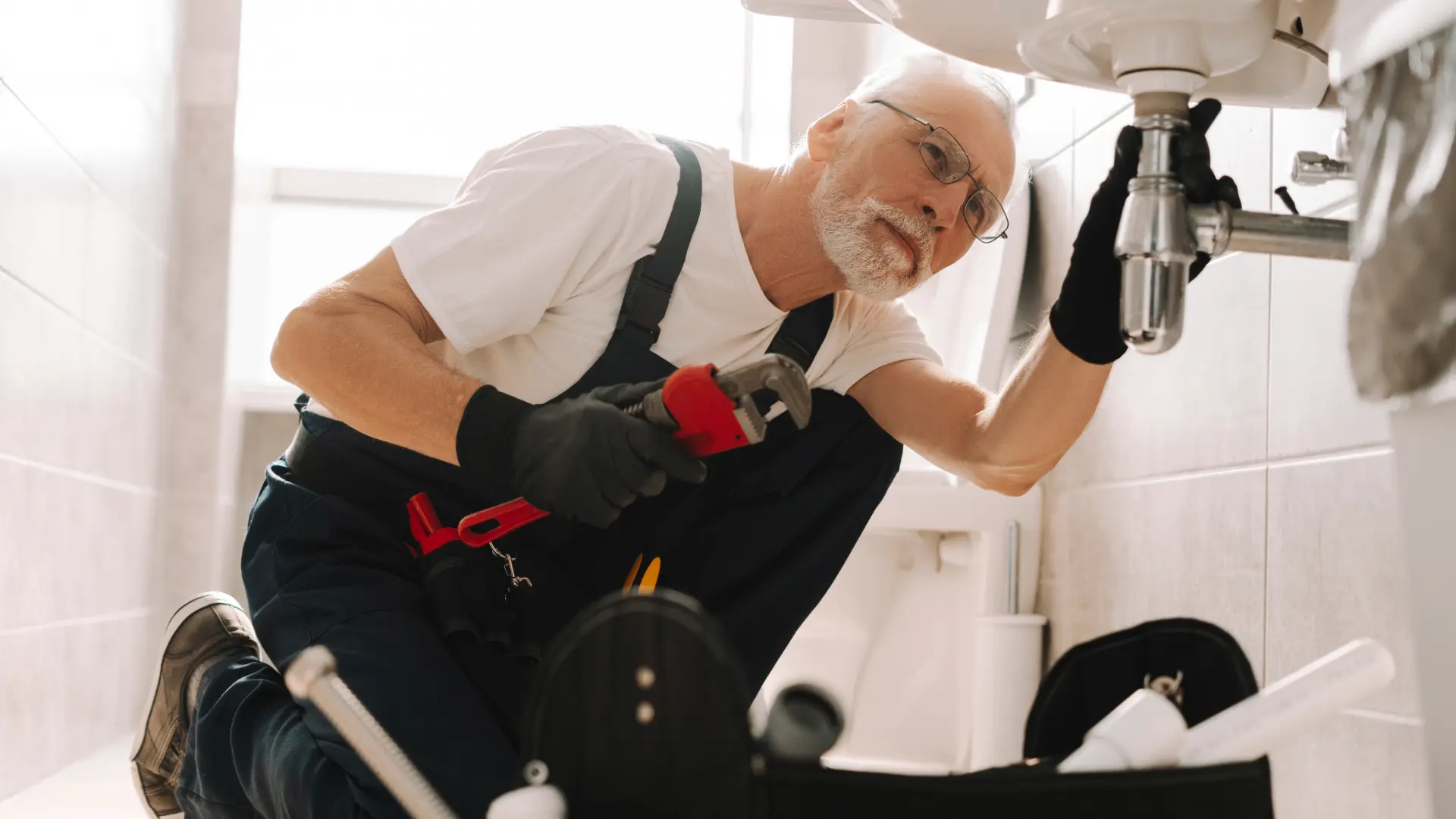
Understanding Emergency Plumbing Needs: A Comprehensive Overview
Plumbing emergencies demand immediate attention due to their potential to cause structural damage, health hazards, or financial losses. Unlike routine maintenance, these issues escalate rapidly, often leading to irreversible consequences if delayed. Recognizing the severity of a plumbing problem is the first critical step in mitigating risks. Below is a detailed breakdown of common emergencies, their risks, and actionable steps to assess and document the situation before professional intervention.
Critical Scenarios Classifying Plumbing Issues as Emergencies

Emergency plumbing scenarios are defined by their ability to disrupt daily life, threaten safety, or result in substantial property damage. Below are the most urgent situations, accompanied by real-world examples and their associated risks.
Burst Pipes A burst pipe can release hundreds of gallons of water per hour, leading to immediate flooding. For instance, a frozen pipe in a basement during winter may rupture when temperatures rise, submerging electrical systems and causing $10,000+ in repairs (FEMA estimates). Structural damage, such as warped floors or weakened foundations, often follows prolonged exposure to water. Additionally, stagnant water becomes a breeding ground for mold, which can trigger respiratory issues and reduce property value by 15-25% (EPA).
Gas Leaks Undetected gas leaks pose a silent but deadly threat. A case in New York City in 2019 resulted in an explosion after a faulty gas line went unnoticed for weeks, destroying a three-story apartment building. Gas leaks emit a rotten egg smell (mercaptan added to natural gas) and can cause asphyxiation, fires, or carbon monoxide poisoning. Immediate evacuation is critical, as even small leaks can ignite from a spark.
Sewage Backups Sewage backups contaminate water with E. coli, salmonella, and hepatitis A, posing severe health risks. A 2020 study in the Journal of Water and Health found that backed-up sewage increases the risk of gastrointestinal illnesses by 300%. Structural damage from sewage overflows can also compromise a building’s integrity, particularly in basements where concrete and drywall absorb moisture.
Water Heater Failures A failing water heater can lead to scalding injuries, electrical fires, or toxic gas leaks if fueled by gas. For example, a ruptured tank in a California home flooded two floors, requiring $25,000 in repairs and temporary relocation. Corrosion, improper installation, or lack of maintenance often precede such failures, making regular inspections essential.
Step-by-Step Assessment of Plumbing Emergencies
Before contacting an emergency plumber, assessing the situation systematically minimizes further damage. The following visual, auditory, and olfactory cues help determine the severity of the issue.
Visual Cues - Water stains or discoloration on walls/ceilings indicate hidden leaks. - Puddles or standing water suggest active flooding. - Rust or corrosion on pipes or fixtures signals deterioration. - Mold growth confirms prolonged moisture exposure.
Sound Indicators - Hissing or whistling noises from pipes often signal high-pressure leaks or gas escapes. - Gurgling toilets or drains may indicate sewer line blockages or venting issues. - Dripping or rushing water when no fixtures are in use points to underground pipe failures.
Smell Detection - Sulfur or rotten egg odors strongly suggest gas leaks. - Musty or damp smells indicate mold or stagnant water. - Foul sewage odors from drains confirm backed-up sewer lines.
Decision Tree for Self-Diagnosis Below is a structured flowchart to guide readers through assessing plumbing emergencies. Use this as a preliminary tool before contacting professionals.
| Symptom | Possible Cause | Immediate Action |
|---|---|---|
| Water visible on floors/walls | Burst pipe or appliance leak |
|
| Hissing sound near gas lines | Gas leak |
|
| Sewage smell or backed-up drains | Sewer line blockage or failure |
|
| No hot water or strange noises from heater | Water heater failure |
|
Documenting Emergency Plumbing Issues for Professional Assessment
Accurate documentation streamlines the plumber’s diagnosis and may expedite insurance claims. Below is a checklist of evidence to gather, along with recommended tools for capturing details.
Evidence Checklist - Photographs/Videos: Capture wide-angle shots of affected areas, close-ups of leaks or damage, and timestamps of when issues were first noticed. - Recommended apps: Google Photos (high-resolution mode), Adobe Lightroom (for evidence-grade imagery), or Otter.ai (for voice notes detailing observations). - Measurements: Note the location of leaks (e.g., "12 inches from floor joint"), water spread radius, and height of standing water. - Sound Recordings: Use smartphone voice memos to document hissing, gurgling, or dripping sounds for plumbers to analyze later. - Maintenance Records: Provide logs of past repairs, pipe ages, or recent plumbing work to identify recurring issues. - Safety Hazards: Highlight gas odors, electrical risks, or structural weaknesses in written notes.
Example Documentation Template
Incident Report: Plumbing Emergency
Date/Time: [2023-10-15, 03:47 AM] Location: [Basement, near water heater] Visual Evidence: [Attached photos labeled "Leak_Source.jpg", "Flooded_Area.mp4"] Observations: Hissing sound near gas valve. Water pooling at 3 cm depth under sink. Sulfur smell detected. Actions Taken: Turned off main gas supply. Evacuated household members. Contacted emergency plumber at [time].
Legal and Insurance Implications of Delayed Emergency Repairs
Ignoring plumbing emergencies can lead to legal liabilities, voided insurance policies, or health code violations. Below are key considerations for homeowners, renters, and landlords.
Landlord-Tenant Responsibilities - Landlords are legally obligated to maintain habitable conditions (Fair Housing Act). Failure to address sewer backups or gas leaks can result in tenant lawsuits or eviction disputes. - Tenants must report emergencies promptly but cannot attempt repairs themselves unless specified in the lease (e.g., unclogging a minor drain).
Homeowners’ Insurance Coverage Most policies cover sudden and accidental damage from: - Burst pipes (if caused by freezing or appliance failure). - Water heater failures (excluding lack of maintenance). - Sewer backups (only if due to municipal blockages; private line issues may require separate coverage).
Exclusions to Watch For - Gradual leaks (e.g., slow pipe corrosion) are often denied. - Sewer line backups from tree
How to Find Reliable Emergency Plumbers Near You: A Step-by-Step Guide
Selecting a dependable emergency plumber during a crisis can determine the severity of water damage, structural risks, or even health hazards in a household. Unlike routine plumbing services, emergency repairs demand immediate action, transparency in service delivery, and adherence to safety protocols. Without a pre-vetted list of trusted professionals, homeowners often face challenges such as delayed responses, overcharging, or subpar workmanship—especially when time is of the essence. This guide outlines a structured approach to identifying and engaging emergency plumbers based on critical evaluation criteria, leveraging digital tools, and negotiating fair service terms tailored to regional and situational needs.
Key Factors to Evaluate When Selecting an Emergency Plumber
The reliability of an emergency plumber hinges on several non-negotiable factors that differentiate a competent service provider from an unreliable one. Licensing ensures the plumber meets local regulatory standards, while insurance protects against liability claims in case of accidents or further damage. 24/7 availability and guaranteed response times are critical for scenarios like burst pipes or gas leaks, where delays can escalate into costly repairs or safety risks. Customer reviews, particularly verified and recent feedback, provide insights into the plumber’s professionalism, problem-solving skills, and customer service quality.
A plumber’s reputation in handling emergencies is often reflected in their response time guarantees, such as arriving within 30 minutes for critical issues or offering same-day service for major leaks. Additionally, transparency in pricing and clear communication about service policies—including after-hours fees or travel charges—can prevent unexpected financial burdens. Below is a breakdown of these factors, emphasizing their role in assessing urgency and suitability for specific plumbing emergencies.
Template for Vetting Plumbers via Phone or Online Inquiry
Direct communication with a plumbing service allows homeowners to gauge their preparedness and professionalism before committing to their services. A structured inquiry helps filter out unqualified providers and ensures the plumber can address the specific issue at hand. Below is a script template for evaluating plumbers, including essential questions to ask during the initial contact. These questions are designed to uncover critical details about their operational capacity, pricing structure, and emergency protocols.
Example Script for Phone/Online Inquiry:
"Good [morning/afternoon/evening], I’m calling regarding an emergency plumbing issue at [address]. Can you confirm your 24/7 emergency service coverage and estimated response time for my location?"
Follow-Up Questions to Assess Suitability: - "Do you offer same-day service for burst pipes or sewer backups? If so, what’s your policy for prioritizing urgent cases?" - "Are there any additional fees for after-hours service, including travel charges or service call minimums?" - "Can you provide proof of licensing and insurance upon arrival? What certifications do your technicians hold for gas line or sewer repairs?" - "How do you handle situations where the issue requires parts or additional labor? Will you provide a detailed estimate upfront or charge hourly?" - "Do you offer warranties or guarantees on emergency repairs? If so, what’s the coverage period?"
Red Flags During Inquiry: - Vague responses about response times or service policies. - Refusal to provide licensing or insurance details without verification. - Pressure tactics to accept immediate service without a clear explanation of the problem. - Lack of transparency in pricing, such as hidden fees or unwillingness to provide an estimate.
By using this template, homeowners can systematically eliminate plumbers who fail to meet basic professional standards, ensuring a higher likelihood of a satisfactory resolution.
Ranking System for Prioritizing Plumbers Based on Emergency Severity
Not all plumbing emergencies require the same level of urgency, and prioritizing the right service provider can prevent unnecessary costs or delays. Below is a tiered ranking system that categorizes emergencies based on their potential risks, helping homeowners match their needs with the appropriate level of response. This system also serves as a quick reference for determining whether to call a Tier 1 plumber immediately or opt for a Tier 2 provider if the situation stabilizes.
Emergency Plumber Prioritization by Tier:
-
Tier 1: Immediate Life-Safety or Property-Threatening Emergencies
- Gas leaks (natural gas or propane) with visible signs of odor or hissing sounds.
- Major flooding from burst pipes or appliance malfunctions threatening structural integrity.
- Sewer backups with sewage overflow into living spaces, posing health risks (e.g., E. coli exposure).
- Frozen pipes at risk of bursting, especially in unheated areas during extreme cold.
-
Tier 2: Urgent but Non-Life-Threatening Repairs
- Major leaks from water heaters, toilets, or supply lines causing significant water waste.
- Sewer line blockages with slow drainage but no immediate overflow.
- Malfunctioning sump pumps during heavy rainfall or storms.
- Appliance-related leaks (e.g., dishwasher or washing machine connections).
-
Tier 3: Time-Sensitive but Non-Urgent Issues
- Slow drains or minor clogs in sinks, showers, or tubs.
- Dripping faucets or minor leaks under sinks.
- Toilet flushing issues or minor sewer odors.
- Water pressure problems without visible leaks.
Pro Tip: For Tier 1 emergencies, pre-screen plumbers by cross-referencing their Google My Business listings for keywords like "emergency plumbing" or "24-hour service." Many providers highlight their response time guarantees in their profiles, making it easier to identify top candidates.
Leveraging Local Directories and Platforms for Shortlisting Plumbers
Digital platforms and local business directories streamline the process of finding vetted emergency plumbers by providing real-time availability, customer feedback, and service specializations. Google My Business, Yelp, Angi (formerly Angie’s List), and HomeAdvisor are among the most reliable sources for identifying plumbers with strong reputations in emergency services. Below are strategic filters and search techniques to narrow down options effectively:
Platform-Specific Search Filters:
-
Google My Business:
- Use the "Open Now" filter to identify plumbers available immediately.
- Sort by "Highest Ratings" (4.5+ stars) and check for the "Emergency Service" badge in their profile.
- Read recent reviews (within the last 6–12 months) for mentions of response times or satisfaction with emergency repairs.
-
Yelp:
- Apply the "Plumbing" category and filter by "5-Star Ratings."
- Look for reviews with keywords like "burst pipe," "gas leak," or "same-day service" to gauge their emergency readiness.
- Check the "Hours" section for 24/7 availability and note any mentions of holiday or after-hours coverage.
-
Angi or HomeAdvisor:
- Use the "Emergency Plumbing" filter and sort by "Top-Rated" providers.
- Review verified customer photos of past emergency repairs to assess work quality.
- Compare service guarantees and warranty offerings for emergency fixes.
Geolocation-Based Considerations: Urban and rural areas present distinct challenges when searching for emergency plumbers. In cities, high demand may lead to longer wait times, while rural regions often struggle with limited service providers
Emergency Plumbing Services: What to Expect and How to Prepare
When a plumbing emergency strikes—whether it’s a burst pipe flooding your home, a sewer backup disrupting daily life, or a gas leak posing safety risks—understanding the standard procedures of emergency plumbing services and how to prepare in advance can make the difference between minimal damage and costly chaos. Emergency plumbers follow structured protocols to address urgent issues efficiently, from the moment you make contact until repairs are completed. Meanwhile, proactive homeowners can reduce response times, lower repair costs, and prevent secondary damage by adopting preventive measures and maintaining an emergency-ready home. This section explores the step-by-step process of emergency plumbing services, cost breakdowns, pre-emergency preparation strategies, and real-world case studies illustrating the impact of preparedness.
Standard Procedures of Emergency Plumbing Services
Emergency plumbing services are designed for rapid assessment and resolution, prioritizing safety, containment, and restoration. The process typically begins with initial contact, where homeowners describe the issue to a dispatcher or directly to the plumber. Based on urgency, the plumber determines whether to dispatch immediately or schedule a priority visit within hours. Upon arrival, the technician conducts a visual inspection and diagnostic assessment using specialized tools to identify the root cause, such as pressure gauges, thermal imaging cameras, or sewer inspection cameras.
Tools and Equipment Plumbers Bring to the Scene Professional emergency plumbers arrive equipped with: - Diagnostic tools: Pipe inspection cameras, moisture meters, and gas leak detectors. - Repair tools: Pipe cutters, epoxy lining kits, drain augers, and hydraulic presses for pipe bursting. - Containment supplies: Tarps, wet/dry vacuums, and temporary patching materials to prevent further damage. - Safety gear: Gloves, goggles, respirators, and personal protective equipment (PPE) for hazardous scenarios (e.g., mold exposure or gas leaks). - Replacement parts: Common components like washers, gaskets, and shutoff valves for quick fixes.
Typical Timeframes for Common Emergencies Response times vary based on severity, location, and provider availability, but most reputable services aim to arrive within 1–4 hours for critical issues. Here are average timeframes for resolving common emergencies: - Burst pipes or major leaks: 2–6 hours (depending on pipe location and replacement needs). - Sewer backups or clogs: 1–3 hours (clearing minor blockages may take less; major sewer line repairs extend timelines). - Water heater failures: 1.5–4 hours (installing a new unit may require additional time for permits and deliveries). - Gas leaks or frozen pipes: Immediate response (prioritized as safety hazards). - Sump pump failures: 1–2 hours (often involves pump replacement and drainage cleanup).
Blockquote: > "The faster a plumber can access the problem, the less water damage occurs. In cases like frozen pipes, even a 30-minute delay can lead to thousands in repairs."
Cost Breakdown of Emergency Plumbing Services
Emergency plumbing services incur higher costs than routine maintenance due to after-hours labor, expedited response, and potential structural damage. Understanding the cost components helps homeowners budget and avoid surprises. Prices vary by region, but the following ranges reflect national averages (as of 2023) for common emergency services:
| Service Type | Average Cost Range | Notes |
|---|---|---|
| Service Call Fee | $99–$250 | Often waived if repair costs exceed the fee; some providers charge hourly. |
| Diagnostic/Inspection Charge | $100–$300 | Includes camera inspections, pressure tests, or leak detection. |
| Pipe Repair (per joint) | $150–$600 | Copper pipes cost more than PVC; trenchless repairs add $1,000–$3,000. |
| Sewer Line Cleaning | $100–$400 | Major blockages or root intrusions may require hydro-jetting ($500–$1,500). |
| Water Heater Replacement | $800–$2,500 | Includes unit + labor; gas models cost more than electric. |
| Burst Pipe Replacement | $500–$3,000+ | Underground pipes require excavation; insurance may cover partial costs. |
| Emergency Surcharges | +20–50% | After-hours calls (6 PM–6 AM), holidays, or weekends incur premiums. |
| Drain Cleaning (Emergency) | $150–$500 | Severe clogs (e.g., hair, grease) require snaking or enzymatic treatments. |
Hidden Costs to Consider - Water damage restoration: Mold remediation ($1,500–$10,000) or structural repairs ($5,000+). - Permits: Required for major repairs (e.g., sewer line replacements) at $100–$1,000. - Temporary housing: If the home is uninhabitable during repairs. - Insurance deductibles: Homeowners may cover $500–$2,500 out-of-pocket before claims are processed.
Blockquote: > "A burst pipe left unrepaired for 24 hours can lead to $10,000 in water damage—yet the pipe itself may only cost $300 to fix. Preparedness saves both time and money."
Pre-Emergency Checklist for Homeowners
Proactive homeowners can minimize damage and accelerate repairs by preparing for plumbing emergencies before they occur. Below is a comprehensive checklist organized into actionable steps, with visual cues for clarity. Implementing these measures ensures quick shutdowns, reduced flood risks, and faster plumber access during crises.
🔧 Plumbing Emergency Kit Essentials- 🔧 Basic tools: Adjustable wrench, pipe wrench, pliers, and screwdrivers for temporary fixes.
- 💧 Shutoff tools: Marked wrench for main water valve + individual valve keys (e.g., for toilets, sinks).
- 🗑️ Containment supplies: Buckets, towels, shop vacuum, and sandbags for leak containment.
- 📝 Emergency contacts: Plumber’s 24/7 number, insurance agent, and local utility company saved in phone.
- 🔌 Lighting: Flashlight or battery-powered lantern (power outages often accompany water emergencies).
- 📸 Documentation: Photos/videos of shutoff valves, pipe layouts, and previous repairs for plumbers.
Leave a Comment
Comments are moderated before appearing. The data you submit is processed according to the Privacy Policy of Vetlife Archive.