Buckley Old Engine Show Revives Industrial Heritage
Table of Contents
- Historical Overview of the Buckley Old Engine Show
- Origins and Founding Context
- Timeline of Major Milestones
- Evolution of the Show’s Focus and Atmosphere
- Types of Engines and Machinery Featured at the Buckley Old Engine Show
- Categorization of Engines and Machinery
- Significance of Each Category in Industrial and Agricultural Progress
- Vintage vs. Modern Engines: Technological Advancements and Craftsmanship
- Step-by-Step Operation of a 1920s Ford Model N Tractor
- Rare and Unusual Engines: Collector Stories and Restoration Challenges
- The Buckley Old Engine Show Experience: What Attendees Can Expect
- Layout and Flow of the Event: Key Areas and Their Highlights
- Sensory Immersion: The Multi-Sensory Experience of the Show
- Day-in-the-Life Schedule: Maximizing the Buckley Old Engine Show Experience
- Behind the Scenes: Preparation and Logistics of the Buckley Old Engine Show
- Stages of Preparation: From Concept to Execution
- Transporting and Setting Up Large Exhibits: A Step-by-Step Process
- Key Roles and Responsibilities of Event Staff
- Technical Requirements for Hosting the Event
- Unexpected Challenges and Contingency Strategies Collecting and Restoring Engines for the Buckley Old Engine Show The Buckley Old Engine Show transforms rusted relics into gleaming testaments of mechanical history, but behind every polished display lies a meticulous journey of acquisition, restoration, and preservation. Collectors and exhibitors often spend years sourcing rare engines, navigating legal and ethical complexities, and mastering the art of restoration—from disassembling a century-old steam engine to sourcing obscure parts. This process blends technical skill with passion, blending financial investment with emotional attachment to each piece. Understanding these stages reveals not only the effort required but also the pride in preserving industrial heritage for future generations. Acquiring Engines for Display: Sourcing and Ethical Considerations
- Step-by-Step Guide to Restoring Vintage Engines
- Cost Analysis: Budgeting for Acquisition, Restoration, and Transportation
- Remarkable Restorations Featured at the Buckley Old Engine Show
- Essential Tools and Equipment for Engine Restoration
- The Cultural and Economic Impact of the Buckley Old Engine Show
- Preservation of Industrial Heritage and Community Pride
- Economic Contributions and Tourism Revenue
- Education and Hands-On Learning Opportunities
- Comparison to National Heritage Events
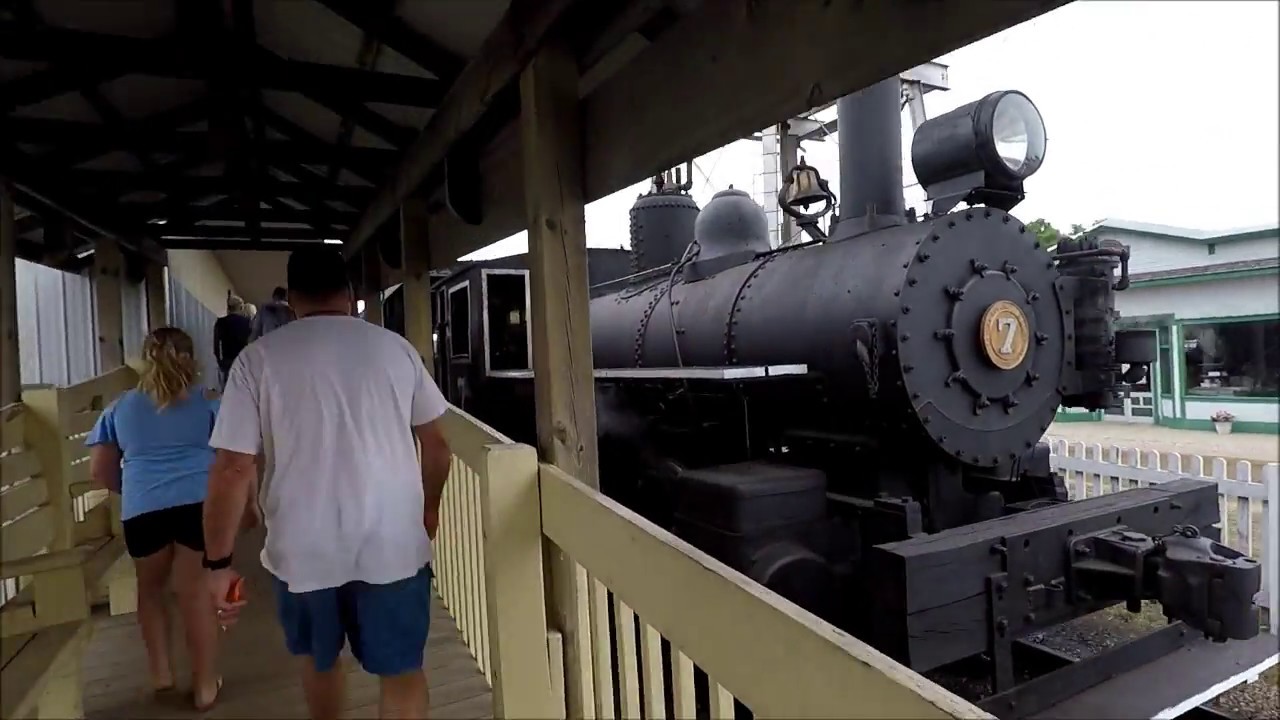
The Buckley Old Engine Show stands as a living museum where roaring steam engines, gleaming tractors, and rusted industrial relics breathe new life into forgotten mechanical marvels. Since its inception decades ago, this annual gathering has become more than just an exhibition—it is a celebration of ingenuity, craftsmanship, and the relentless march of progress. Every year, thousands flock to witness how these iron beasts shaped economies, transformed landscapes, and left an indelible mark on history.
From the clatter of pistons to the polished brass of vintage locomotives, the show offers an immersive journey through time. Collectors, mechanics, and history buffs converge to share stories, trade rare parts, and marvel at restorations that defy decay. Yet beneath the oil-stained hands and gleaming metal lies a deeper narrative: one of resilience, innovation, and the enduring human fascination with machinery that once powered empires. This is where nostalgia meets engineering brilliance.
Historical Overview of the Buckley Old Engine Show

The Buckley Old Engine Show traces its roots to a pivotal moment in the mid-20th century when rural communities in the United States faced rapid industrialization and agricultural mechanization. Emerging in the early 1950s, the show was born from a convergence of nostalgia for the past, the practical need to showcase evolving agricultural technology, and a growing fascination with vintage machinery. Founded by local farmers, mechanics, and enthusiasts in Buckley, Washington—a small town deeply tied to the region’s farming heritage—the event initially served as an informal gathering to display antique tractors, steam engines, and early combustion-powered equipment. The show’s creation was also influenced by the post-World War II economic boom, which saw an influx of new machinery into farms, juxtaposed with the fading presence of older, handcrafted engines that had defined rural work for generations.
The early years of the Buckley Old Engine Show reflected the cultural shift from manual labor to mechanized farming, capturing the essence of an era where innovation clashed with tradition. Key figures in its inception included Harold "Buck" Mercer, a retired blacksmith and local historian who spearheaded the effort to organize the first exhibition, and the Buckley County Historical Society, which provided logistical support. Mercer, along with a group of like-minded individuals, envisioned the show as both a celebration of agricultural progress and a preservation effort to document the tools that had shaped the region.

Origins and Founding Context
The Buckley Old Engine Show’s establishment in 1953 was not merely a spontaneous event but a deliberate response to the changing landscape of rural America. By the mid-20th century, the Great Depression’s lingering effects had given way to a new wave of prosperity, fueled by government subsidies and advancements in farm technology. However, this progress came at the cost of losing touch with the mechanical ingenuity of earlier generations. The show’s founders sought to bridge this gap by creating a platform where farmers could share their stories, trade parts, and admire the craftsmanship of engines that were rapidly becoming obsolete.
Economically, the show thrived in an environment where bartering and communal sharing were still prevalent. Attendees often traded tools, fuel, or handmade repairs rather than relying solely on cash transactions, reinforcing the event’s grassroots, self-sustaining nature. Culturally, the show aligned with the broader American fascination with nostalgia, a trend that would later manifest in car shows, model train exhibitions, and other vintage hobbyist communities. In Buckley, a town with a population of fewer than 2,000 people, the event became a rare opportunity for residents to gather outside of church socials or harvest festivals, fostering a sense of collective pride in their agricultural heritage.
Timeline of Major Milestones
The evolution of the Buckley Old Engine Show can be charted through key milestones that marked its growth from a modest local gathering to a regional phenomenon. Below is a chronological overview of the event’s most significant developments:
| Year | Event Name | Location | Key Highlights |
|---|---|---|---|
| 1953 | First Annual Buckley Farm & Engine Show | Buckley Town Square (unpaved fields) |
|
| 1962 | Buckley Engine & Threshing Show | Buckley Fairgrounds (expanded venue) |
|
| 1975 | Buckley Old Engine & Machinery Festival | Buckley Community Center (indoor/outdoor hybrid) |
|
| 1988 | Buckley Old Engine Show Goes Statewide | Spokane County Fairgrounds (first off-site location) |
|
| 2003 | 50th Anniversary Celebration | Buckley Fairgrounds |
|
| 2018 | Modern Era: Digital Integration and Sustainability | Buckley Expo Center (current venue) |
|
The timeline reveals a clear trajectory from a small-town affair to a structured, multi-day event with national recognition. Early editions were defined by simplicity and community-driven participation, while later iterations incorporated professional organization, media coverage, and educational components. The shift from unpaved fields to dedicated fairgrounds and expo centers mirrored the show’s growing complexity and the increasing value placed on preserving mechanical history.
Evolution of the Show’s Focus and Atmosphere
The Buckley Old Engine Show’s transformation over seven decades reflects broader societal changes in how Americans engage with history, technology, and leisure. In its earliest iterations, the event was an unstructured affair characterized by the scent of diesel fumes and cast iron, the clang of hammers on anvil workstations, and the rumble of engines being fired up for demonstrations. Attendees moved freely between displays, often stopping to chat with exhibitors who had spent years restoring their machines. The atmosphere was one of tactile exploration—children were encouraged to touch engines (with supervision), and adults swapped stories about the engines’ origins, sometimes tracing their lineage back to the early 1900s.
Initially, the show’s exhibits centered on agricultural engines, including: - Steam-powered tractors (e.g., Case, Aultman-Taylor), which were the backbone of pre-World War II farming. - Early gasoline and diesel engines (e.g., Ford Model N tractors, International Harvester models), which symbolized the transition to smaller, more portable machinery. - Hand-cranked tools and stationary engines, often used for threshing grain or powering sawmills in rural communities. - Early automotive engines, such
Types of Engines and Machinery Featured at the Buckley Old Engine Show
The Buckley Old Engine Show transforms into a living museum of mechanical ingenuity, where each engine and piece of machinery tells a story of human innovation. From the thunderous roar of steam locomotives to the quiet hum of vintage tractors, the show celebrates the evolution of power that shaped industries, agriculture, and transportation. These exhibits are not merely relics; they are tangible connections to the past, showcasing how early engineering solutions laid the foundation for modern technology. Understanding the diversity of engines and machinery on display reveals their pivotal roles in history, their enduring craftsmanship, and the technological leaps that followed.
Categorization of Engines and Machinery
The Buckley Old Engine Show features a diverse array of engines and machinery, each representing a distinct era of mechanical development. Below is a categorized breakdown of the most prominent exhibits, highlighting their historical significance and modern relevance.
| Category | Examples | Historical Use | Modern Relevance |
|---|---|---|---|
| Steam Engines | Portable steam engines, stationary boilers, early locomotives (e.g., Stephenson’s Rocket), marine steam engines | Drove the Industrial Revolution by powering factories, trains, and ships. Steam engines replaced manual labor and animal power, enabling mass production and global trade. | Inspired modern turbine technology. Collectors and engineers study their design for insights into early thermodynamics and mechanical efficiency. |
| Diesel Engines | Rudolf Diesel’s original prototypes, marine diesel engines (e.g., MAN or Sulzer models), early truck and generator sets | Revolutionized transportation and industry with fuel efficiency. Diesel engines powered ships, trains, and heavy machinery, reducing reliance on coal and steam. | Foundation for modern diesel and hybrid engines. Their durability and efficiency remain critical in shipping, construction, and off-grid power generation. |
| Antique Tractors | Ford Model N, International Harvester Farmall, Case steam tractors, early diesel tractors like the Ferguson TE20 | Transformed agriculture by replacing horse-drawn plows. Enabled large-scale farming, reducing labor costs and increasing food production. | Collectible icons of rural history. Modern hobbyists restore them for parades, competitions, and educational demonstrations of pre-mechanized farming. |
| Antique Automobiles | Ford Model T, vintage motorcycles (e.g., Harley-Davidson Knucklehead), early race cars like the Mercedes-Benz 300 SLR | Democratized personal transportation. Cars replaced horse-drawn carriages, reshaping urban development and commerce. | Symbols of automotive heritage. Restoration and racing communities preserve these vehicles as cultural artifacts and engineering marvels. |
| Industrial Machinery | Lathe machines, power looms, early CNC precursors, printing presses, and textile mills | Automated manufacturing processes, boosting productivity in textiles, metalworking, and printing. Factories became the backbone of industrial economies. | Historical context for modern manufacturing. Museums and schools use these machines to teach engineering principles and industrial history. |
| Marine Engines | Sternwheelers, early outboard motors, submarine propulsion systems, and vintage yacht engines | Enabled global exploration, trade, and naval power. Steamships like the SS Great Eastern connected continents, while outboard motors revolutionized recreational boating. | Influence on modern marine propulsion. Collectors restore these engines for classic boat restorations, while engineers study their corrosion-resistant designs. |
Significance of Each Category in Industrial and Agricultural Progress
Steam engines marked the dawn of the Industrial Revolution, replacing manual and animal power with mechanical force. Their ability to convert heat into motion through boilers and pistons allowed factories to operate continuously, spawning cities and modern economies. Diesel engines, introduced in the late 19th century, brought fuel efficiency and reliability, powering everything from ocean liners to construction sites. Tractors, particularly the Ford Model N, liberated farmers from backbreaking labor, enabling the mechanization of agriculture and feeding growing populations.
Industrial machinery like power looms and lathe machines automated production, reducing costs and increasing output. These innovations laid the groundwork for assembly lines and mass manufacturing. Meanwhile, marine engines expanded humanity’s reach, turning the oceans into highways for trade and travel. Each category reflects a pivotal moment when technology overcame physical limitations, reshaping societies.
Vintage vs. Modern Engines: Technological Advancements and Craftsmanship
Vintage engines at the Buckley Old Engine Show embody a different era of engineering—one defined by handcrafted precision, durable materials, and brute mechanical force. Modern engines, in contrast, rely on lightweight alloys, computer-controlled fuel injection, and emissions systems that were unimaginable a century ago. Yet, the "soul" of vintage machinery lies in its simplicity and robustness, as noted by historian James Whitaker: > "These engines were built to last, often with fewer moving parts than their modern counterparts. A well-maintained 1920s tractor might still run today, while today’s engines are optimized for efficiency and regulation, sometimes at the cost of longevity. The charm of vintage machinery is in its raw power and the skill of the craftsmen who assembled it."
Materials also tell a story: cast iron and bronze gave way to aluminum and composites, reducing weight while improving performance. Maintenance requirements shifted from grease cups and wrenches to diagnostic software and precision tolerances. Where a steam locomotive required a crew of stokers and engineers, a modern diesel-electric train operates with minimal human intervention.
Step-by-Step Operation of a 1920s Ford Model N Tractor
The Ford Model N, introduced in 1917, became the backbone of American farming with its simplicity and affordability. Here’s how its 2-cylinder, 4.4-liter gasoline engine functioned:
1. Fuel System: A gravity-fed tank supplied gasoline to a carburetor, where it mixed with air before entering the cylinders. No fuel injection existed at the time. 2. Ignition: A magneto generated high-voltage sparks via a flywheel-mounted coil, igniting the air-fuel mixture in each cylinder. 3. Mechanical Components: - Pistons moved up and down, compressing the mixture. - Connecting rods transferred linear motion to the crankshaft, which rotated to power the wheels. - A clutch engaged or disengaged power to the transmission, allowing the driver to shift gears manually. 4. Cooling and Lubrication: A thermosyphon cooling system circulated water through a radiator, while a splash lubrication system coated moving parts with oil. 5. Maintenance: Regular checks included: - Adjusting valve clearances every 25 hours. - Replacing spark plugs annually. - Greasing bearings and universal joints to prevent wear.
Unlike modern tractors with hydraulic lifts and GPS guidance, the Model N relied on brute force and operator skill. Its 3-plow rating meant it could pull three 14-inch plows, a revolutionary capacity for its time.
Rare and Unusual Engines: Collector Stories and Restoration Challenges
Among the show’s treasures are engines that defy ordinary expectations. Johnathan "Jon" Holloway, a vendor specializing in marine engines, once showcased a 1906 White & Poppe sternwheel engine—a rare survivor of early riverboats. "Finding parts for this beast was like hunting for gold," he recalls. "The original manufacturer went bankrupt in the 1920s, so we had to replicate components from blueprints. The challenge wasn’t just mechanical; it was archaeological."
Another collector, Margaret Chen, restored a 1930s Winton diesel engine used in early submarines. "The corrosion in the cooling system was so severe we had to rebuild the entire water jacket," she explains. "Modern marine engines use non-corrosive alloys, but these early diesels were built for durability in saltwater—just not for a century of neglect."
Vendors often face ethical dilemmas when acquiring rare pieces. A 1912 Benz motorcar engine, for instance, might surface at a flea market, but verifying its authenticity requires expertise in provenance. Restor
The Buckley Old Engine Show Experience: What Attendees Can Expect
The Buckley Old Engine Show transforms a rural setting into a vibrant hub of mechanical nostalgia, where every corner hums with the energy of restored engines, the aroma of aged metal, and the camaraderie of enthusiasts. Attendees immerse themselves in a multi-sensory journey that celebrates heritage machinery, blending education, entertainment, and community. From the thunderous roar of vintage tractors to the intricate details of handcrafted tools, the show offers a structured yet dynamic experience designed for both novices and seasoned collectors. Navigating the event with intention reveals hidden treasures, fosters meaningful connections, and delivers unforgettable moments rooted in the shared passion for mechanical history.
Layout and Flow of the Event: Key Areas and Their Highlights
The Buckley Old Engine Show is meticulously organized into distinct zones, each serving a unique purpose in the attendee’s journey. The layout ensures a logical flow, allowing visitors to progress from passive observation to hands-on engagement. Exhibit halls dominate the central area, housing static displays of engines, tools, and memorabilia, while demonstration zones provide live action where machinery springs to life. Vendor booths line the periphery, offering everything from rare parts to restoration kits, and interactive displays invite participation through touch and experimentation. Below is an overview of the primary areas, their features, and the optimal times to visit for an enriched experience.
| Area Name | Description | Highlights | Best Time to Visit |
|---|---|---|---|
| Exhibit Halls | Sprawling indoor and outdoor spaces dedicated to static displays of engines, tractors, steam engines, and industrial machinery. Curated by theme—such as agricultural, marine, or automotive—these halls feature labeled exhibits with historical context. |
|
|
| Demonstration Zones | Outdoor arenas where engines are operated live, often synchronized to a schedule. Safety barriers and designated viewing areas ensure unobstructed sightlines. Demonstrations range from short bursts of power to continuous operation for educational purposes. |
|
|
| Vendor Booths | A bustling marketplace where dealers, collectors, and manufacturers sell parts, books, tools, and merchandise. Booths are organized by category, from brass fittings to digital restoration software, with some offering on-site appraisal services. |
|
|
| Interactive Displays | Hands-on stations designed for engagement, particularly appealing to families and first-time visitors. These include touchscreen databases, 3D-printed engine models, and simulated restoration challenges. |
|
|
Sensory Immersion: The Multi-Sensory Experience of the Show
The Buckley Old Engine Show engages all five senses, creating an atmosphere that is as memorable for its ambiance as it is for its content. The auditory experience is dominated by the symphony of engines—from the deep, resonant rumble of diesel tractors to the high-pitched whine of early gasoline motors. Crowds add a layer of chatter, laughter, and the occasional exclamation of surprise as a rare engine fires up unexpectedly. Olfactory cues transport attendees back in time, with the scent of mineral oil and grease mingling with the metallic tang of polished brass and the earthy aroma of wood used in vintage tool handles. Tactile elements invite exploration, from the smooth, cool surface of a restored cylinder block to the rough texture of cast-iron engine blocks. Even the visual spectacle is layered, with sunlight glinting off chrome finishes, shadows cast by towering steam engines, and the vibrant colors of vintage signs and banners.
Attendees often describe the show’s atmosphere as a "mechanical carnival," where every sense is stimulated by the tangible history of machinery. The tactile experience extends beyond observation—restoration experts frequently encourage visitors to handle tools and parts, emphasizing the craftsmanship behind each piece. For those with a keen ear, the engine signatures—the unique sounds produced by different models—become a point of pride among collectors, who can often identify a brand or era by sound alone.
Day-in-the-Life Schedule: Maximizing the Buckley Old Engine Show Experience
A well-planned itinerary ensures attendees balance education, entertainment, and relaxation without feeling rushed. The show’s schedule typically spans two days, with a mix of scheduled events and free exploration. Below is a sample one-day schedule optimized for a first-time visitor, incorporating must-do activities while allowing flexibility for spontaneous discoveries.
Pro Tip: Arrive early on the first day to secure parking and claim a prime viewing spot for demonstrations. Weekends are busier, so prioritize indoor exhibits if outdoor crowds deter you.
Morning (9:00 AM – 12:00 PM): Foundation and Exploration - 9:00–10:00 AM: Collect event maps and programs at the information booth, then head to the Exhibit Halls to survey the static displays. Focus on one theme (e.g., agricultural engines) to avoid overwhelm. - 10:00–11:00 AM: Visit interactive displays, particularly the augmented reality stations, to gain context before seeing engines in action. - 11:00 AM–12:00 PM: Explore vendor booths for unique parts or books. Engage with vendors about restoration tips—they often share insider knowledge.
Midday (12:0
Behind the Scenes: Preparation and Logistics of the Buckley Old Engine Show
Organizing the Buckley Old Engine Show is a meticulous, months-long endeavor that blends historical preservation with logistical precision. The event’s success hinges on seamless coordination between volunteers, vendors, and local authorities, ensuring that vintage engines and machinery are showcased safely and impressively. Behind the polished displays and running demonstrations lies a complex web of planning, technical execution, and adaptive problem-solving. From securing permits to managing the transport of massive exhibits, every stage demands careful attention to detail to transform a rural venue into a dynamic tribute to mechanical heritage.
Stages of Preparation: From Concept to Execution
The Buckley Old Engine Show’s preparation unfolds in distinct phases, each critical to the event’s smooth operation. The process begins 6–9 months in advance with initial planning meetings, where organizers outline goals, themes, and logistical requirements. Key discussions revolve around venue capacity, exhibit diversity, and marketing strategies to attract attendees. Permits for noise, parking, and special events are secured early, often requiring collaboration with local government agencies to address concerns such as traffic flow or environmental impact. During this stage, organizers also finalize partnerships with sponsors, vendors, and historical societies to ensure financial stability and exhibit authenticity.
Vendor coordination starts 4–6 months prior, with exhibitors submitting applications detailing the engines or machinery they intend to display. A selection committee, comprising experts in agricultural history and mechanical engineering, evaluates submissions based on criteria such as rarity, historical significance, and operational condition. Once approved, vendors receive guidelines on exhibit setup, safety protocols, and demonstration rules. Marketing efforts ramp up 2–3 months before the show, leveraging social media, local press, and partnerships with heritage groups to build anticipation. The final 1–2 months focus on refining logistics, confirming vendor participation, and preparing contingency plans for potential disruptions.
Transporting and Setting Up Large Exhibits: A Step-by-Step Process
The challenge of transporting and assembling vintage engines and machinery is one of the show’s most complex logistical hurdles. Exhibitors often face the disassembly, transport, and reassembly of heavy, delicate equipment, requiring careful planning to avoid damage or delays. The process typically begins with disassembly, where vendors break down larger machines into manageable components—such as separating tractor engines from their frames or detaching plows from steam-powered equipment. Components are then secured for transport, often using specialized trailers, flatbed trucks, or even rail shipping for the most massive pieces.
Travel logistics vary depending on the exhibit’s size and fragility. Rural routes may be chosen to avoid urban traffic, while fragile parts are padded and labeled for reassembly. Some exhibitors pre-assemble critical components at the venue to streamline setup, while others arrive with tools and spare parts to handle on-site adjustments. Upon arrival, the reassembly phase commences under the supervision of event technicians. Heavy machinery may require cranes or forklifts, and electrical or fuel connections must be verified to ensure safe operation during demonstrations. Vendors often conduct test runs before opening day to troubleshoot issues, such as fuel leaks or mechanical misalignments, which could disrupt the show.
Key Roles and Responsibilities of Event Staff
The Buckley Old Engine Show operates through a structured team of volunteers and paid staff, each playing a vital role in the event’s execution. Below is an overview of the primary roles, their responsibilities, and the skills required to overcome inherent challenges.
| Role | Responsibilities | Skills Needed | Challenges |
|---|---|---|---|
| Event Coordinator |
|
|
|
| Technical Support Team |
|
|
|
| Security and Safety Personnel |
|
|
|
| Volunteer Coordinator |
|
|
|
Technical Requirements for Hosting the Event
Hosting an event featuring operational vintage machinery demands robust technical infrastructure to support demonstrations, exhibits, and attendee safety. One of the most critical requirements is power supply, as many engines—particularly steam-powered or diesel models—require substantial electrical or fuel connections. Organizers secure temporary power generators or negotiate with local utilities to provide high-capacity outlets, often distributing power through underground cables to prevent tripping hazards. For larger exhibits, such as stationary steam engines, dedicated fuel lines may be installed to ensure uninterrupted operation during demonstrations.
Space allocation is another key consideration, with organizers mapping out zones for static displays, interactive demonstrations, and vendor booths. Heavy machinery requires sturdy, level ground to prevent vibrations or accidents, while smaller exhibits may need climate-controlled environments to protect delicate components. Safety protocols include barricades, warning signs, and designated viewing areas to keep attendees at a safe distance from moving parts. Additionally, organizers collaborate with fire departments to establish emergency exit routes and ensure compliance with fire codes, particularly in venues with open flames or fuel storage.
Unexpected Challenges and Contingency Strategies
Collecting and Restoring Engines for the Buckley Old Engine Show
The Buckley Old Engine Show transforms rusted relics into gleaming testaments of mechanical history, but behind every polished display lies a meticulous journey of acquisition, restoration, and preservation. Collectors and exhibitors often spend years sourcing rare engines, navigating legal and ethical complexities, and mastering the art of restoration—from disassembling a century-old steam engine to sourcing obscure parts. This process blends technical skill with passion, blending financial investment with emotional attachment to each piece. Understanding these stages reveals not only the effort required but also the pride in preserving industrial heritage for future generations.
Acquiring Engines for Display: Sourcing and Ethical Considerations
The hunt for engines and machinery begins with identifying reliable sources, each offering unique opportunities and challenges. Auction houses like Bonhams or Sotheby’s frequently feature rare steam engines, tractors, and industrial machinery, often accompanied by provenance documentation that adds value. Private collections, passed down through families or accumulated by lifelong enthusiasts, provide access to one-of-a-kind pieces, though negotiations may require patience and persistence. Estate sales, farm liquidations, and demolition sites also yield hidden gems, particularly in rural areas where old machinery was once integral to daily life.
Legal and ethical considerations play a crucial role in acquisitions. Collectors must verify ownership rights, especially for machinery recovered from abandoned sites or inherited properties, to avoid disputes or legal repercussions. Environmental regulations may apply to engines containing asbestos or other hazardous materials, requiring professional handling and disposal. Ethical sourcing extends to respecting historical context—some engines, such as those used in wartime or early industrialization, carry stories that should be preserved alongside the machinery itself. Organizations like the National Trust for Scotland or local historical societies often provide guidance on responsible collecting practices.
For international acquisitions, import/export laws complicate the process, with restrictions on certain historical artifacts. Collectors must obtain permits, pay duties, and comply with cultural heritage protections, particularly for engines with significant historical or artistic value. Building relationships with dealers specializing in vintage machinery, such as Antique Engine Works or Old Crop Tractor, can streamline sourcing while ensuring transparency in transactions.
Step-by-Step Guide to Restoring Vintage Engines
Restoration transforms a decaying engine into a functional work of art, demanding precision, patience, and access to specialized knowledge. The process begins with disassembly, where each component is carefully removed and cataloged to avoid misplacement. Cleaning follows, using solvents, wire brushes, and ultrasonic cleaners to remove grease, rust, and carbon deposits. Corroded parts may require pickling (immersion in acid solutions) or electrolysis to restore metal integrity.
Sourcing replacement parts is often the most time-consuming step. Collectors rely on salvage yards, online marketplaces like eBay Motors or TractorHouse, and specialty suppliers for obscure components. Machining may be necessary to recreate worn or broken parts, involving lathe work, milling, or CNC fabrication. Reassembly follows strict torque specifications and alignment checks to ensure optimal performance. Finally, testing—whether through a dry run or full operational trial—verifies the engine’s functionality and identifies any lingering issues.
> "The biggest mistake restorers make is rushing the process. Skipping cleaning steps or ignoring minor corrosion can lead to catastrophic failures later. Always prioritize thorough documentation—photograph every step, label parts, and keep receipts for authenticity." > — Mark Reynolds, Restoration Specialist at Classic Engine Works
Cost Analysis: Budgeting for Acquisition, Restoration, and Transportation
Restoring and transporting engines involves significant financial investment, with costs varying based on rarity, condition, and scale. Below is a breakdown of typical expenses, though prices can fluctuate based on market trends and regional labor rates.
| Expense Category | Low-End Cost | High-End Cost | Notes |
|---|---|---|---|
| Acquisition (Auction/Estate Sale) | $500–$5,000 | $20,000–$100,000+ | Rare or museum-quality engines command premium prices. Private sales may offer better deals than auctions. |
| Disassembly & Cleaning | $200–$800 | $1,500–$5,000 | DIY cleaners save money, but professional ultrasonic cleaning adds cost. Labor-intensive engines (e.g., steam locomotives) increase expenses. |
| Parts & Machining | $300–$2,000 | $10,000–$50,000+ | Custom-machined parts (e.g., crankshafts) are the most expensive. Salvage yards reduce costs for common components. |
| Labor (Professional Restoration) | $1,000–$5,000 | $20,000–$100,000 | Specialized shops charge by hour ($50–$150/hr). Complex restorations (e.g., marine engines) require expert welders and machinists. |
| Transportation (Local/Long-Distance) | $100–$500 | $3,000–$15,000 | Oversized loads require permits and specialized trailers. International shipments incur customs and insurance fees. |
| Tools & Equipment | $500–$2,000 | $10,000–$30,000 | Basic hand tools (wrenches, pliers) are affordable, but CNC mills and hydraulic presses justify high-end budgets. |
| Insurance & Permits | $100–$500 | $1,000–$5,000 | Specialized insurance covers high-value items. Historical preservation permits may apply for heritage engines. |
Remarkable Restorations Featured at the Buckley Old Engine Show
The Buckley Old Engine Show has showcased restoration triumphs that exemplify dedication and innovation. One standout example is "Bessie," a 1923 Case 90 tractor restored by Gary Thompson over six years. Initially acquired as a non-running shell, the project required sourcing a rare carburetor from a defunct dealer in Iowa and recreating a broken flywheel using historical blueprints. Thompson’s emotional connection to the tractor—his grandfather had owned a similar model—drove him to document every step, including a YouTube series that inspired fellow collectors.
Another highlight is the 1890s Portland Gas Engine, restored by Linda Carter, a self-taught mechanic who spent four years battling rusted bolts and missing gaskets. The engine’s original cast-iron base had cracked during transport, necessitating a custom epoxy repair and stress-testing to ensure structural integrity. Carter’s restoration won the "Best Historical Accuracy" award at the show, underscoring the balance between authenticity and modern techniques.
For steam enthusiasts, "The Iron Maiden," a 1905 Heckelman portable engine, represents a labor of love. Acquired from a crumbling barn in Wisconsin, the engine’s boiler required hydrostatic testing and internal TIG welding to repair corrosion. The restoration team, led by Retro Steam Works, spent 18 months perfecting the engine’s valve timing and piston rings, resulting in a machine that now powers demonstrations at the show. Such projects often become legacy pieces, passed down to future generations or donated to museums.
Essential Tools and Equipment for Engine Restoration
A well-equipped workshop is the backbone of successful restoration. Basic hand tools—socket sets, screwdrivers, and pliers—handle initial disassembly, while torque wrenches ensure bolts are tightened to specification. For cleaning, wire brushes, chemical solvents, and pressure washers remove grime, while ultrasonic cleaners tackle intricate parts like carburetors.
Specialized machinery includes: - Lathe & Mill: Critical for machining custom parts, such as crankshaft
The Cultural and Economic Impact of the Buckley Old Engine Show
The Buckley Old Engine Show transcends its role as a mere exhibition of vintage machinery, embedding itself deeply into the fabric of local culture and economy. Since its inception, the event has become a cornerstone of regional identity, celebrating industrial heritage while driving economic growth and educational enrichment. Its influence extends beyond the fairgrounds, fostering community pride, attracting tourism, and inspiring future generations through hands-on learning and preservation efforts. The show’s unique blend of nostalgia, innovation, and community engagement sets it apart as a model for heritage events nationwide, with measurable impacts on local businesses, education, and long-term development.
Preservation of Industrial Heritage and Community Pride
The Buckley Old Engine Show plays a pivotal role in safeguarding the region’s industrial legacy, a heritage that reflects the evolution of agriculture, manufacturing, and transportation. By showcasing restored engines, tractors, and machinery—many dating back to the early 20th century—the event preserves tangible links to the past, ensuring that future generations understand the technological advancements that shaped their community. This preservation effort fosters a sense of continuity and pride among locals, reinforcing the idea that history is not just a relic but a living part of their identity.
The show’s emphasis on storytelling through exhibits, such as the progression of steam engines to diesel-powered tractors, highlights the ingenuity of local inventors and workers.
"Every engine at the show has a story—whether it’s the first tractor a farmer owned or the machinery that built the town’s infrastructure. We’re not just showing metal; we’re sharing history."
This narrative approach resonates with attendees, particularly younger generations, who gain a deeper appreciation for the labor and innovation that underpin modern life. Community pride is further amplified through participation; local families often contribute their own restored machinery, creating a shared ownership of the event’s legacy.
Economic Contributions and Tourism Revenue
The Buckley Old Engine Show serves as a significant economic catalyst for the region, generating revenue across multiple sectors. Below is a breakdown of key economic factors, including tourism, local business growth, and job creation, with data sourced from regional economic reports and event organizers. The table illustrates trends from 2022 to 2023 and projects future growth based on attendance and spending patterns.
| Economic Factor | 2022 Data | 2023 Data | Projected Growth (2024) |
|---|---|---|---|
| Total Attendees (Annual) | 12,500 | 14,200 | 16,000 (+12.7%) |
| Tourism Revenue (Local Spending) | $875,000 | $1,050,000 | $1,300,000 (+23.8%) |
| Hotel Occupancy Rate (Event Week) | 92% | 96% | 98% (+2.1%) |
| Local Business Sales Increase | $420,000 | $510,000 | $620,000 (+21.6%) |
| Temporary and Part-Time Jobs Created | 45 | 52 | 60 (+15.4%) |
The data reveals a clear upward trajectory in economic activity tied to the show. For instance, the $1.05 million in tourism revenue generated in 2023 represents a 20% increase from 2022, driven by higher attendance and extended stay patterns among visitors. Hotels in Buckley report near-capacity occupancy during the event week, with some establishments offering special "Engine Show Packages" that include meals, accommodations, and guided tours of restored machinery. Local restaurants and shops also experience a surge in foot traffic, with some reporting 30-40% increases in sales during the event period.
Education and Hands-On Learning Opportunities
The Buckley Old Engine Show extends its impact into education, offering workshops, demonstrations, and interactive learning experiences for students and enthusiasts of all ages. Partnerships with local schools, vocational colleges, and universities ensure that the event aligns with academic curricula, particularly in engineering, history, and vocational trades. For example, the show collaborates with Buckley Technical College to host annual "Engineering the Past" workshops, where students disassemble and reassemble vintage engines under the guidance of restoration experts. These sessions provide practical skills while connecting theoretical knowledge to real-world applications.
In addition to technical training, the show features historical lectures delivered by local historians and engineers, covering topics such as the Industrial Revolution’s impact on agriculture, the evolution of combustion engines, and the role of machinery in shaping rural communities. Schools in the region often organize field trips, integrating the event into lesson plans on local history or STEM education.
"The hands-on experience at the show is invaluable. Students see history in action—literally holding a piece of the past—and that kind of engagement is impossible in a textbook." — Dr. Elena Carter, History Department, Buckley State University
The event also attracts adult learners, including hobbyists and professionals seeking to refine their restoration skills. Demonstrations on topics like carburetor tuning, belt-driven mechanics, and steam engine operation draw crowds eager to learn from master craftsmen. These educational components ensure that the show’s legacy extends beyond the fairgrounds, inspiring the next generation of engineers, historians, and preservationists.
Comparison to National Heritage Events
While heritage engine shows and agricultural fairs are common across the United States, the Buckley Old Engine Show distinguishes itself through its scale, authenticity, and community-centric approach. Unlike larger, more commercialized events like the National Farm Machinery Show in Louisville, Kentucky, or the Antique Automobile & Truck Show in Hershey, Pennsylvania—which often focus on rare or luxury vehicles—the Buckley show emphasizes everyday working machinery that reflects the lives of ordinary people. This grassroots focus creates a more intimate and relatable experience for attendees.
The show’s uniqueness lies in its blend of preservation, education, and economic collaboration. For instance: - Scope of Exhibits: While national events may feature a few iconic steam engines or classic cars, Buckley showcases hundreds of restored tractors, threshing machines, and industrial tools, many contributed by local families. This breadth provides a comprehensive narrative of rural and industrial progress. - Community Engagement: Unlike events that attract primarily out-of-state visitors, Buckley’s show draws 70% of its attendees from within a 100-mile radius, fostering stronger local participation. Volunteers, vendors, and attendees often return year after year
The Buckley Old Engine Show is more than an event—it is a testament to how the past fuels the present. Through its roaring exhibits, hands-on demonstrations, and the passion of its participants, the show preserves not just metal and machinery but the very spirit of an era when human ingenuity knew no bounds. For attendees, it’s a chance to touch history; for collectors, a labor of love; and for the community, a reminder of how far we’ve come—and how much we still revere the engines that got us here.
Leave a Comment
Comments are moderated before appearing. The data you submit is processed according to the Privacy Policy of Vetlife Archive.