blue gate cellar key unlocks history architecture secrets
Table of Contents
- The Historical and Cultural Significance of Blue Gate Cellars in European Architecture
- Origins and Evolution of Blue Gate Cellars in Medieval and Renaissance Europe
- Integration of Blue Gates and Cellars into Urban Planning
- Famous Historical Buildings and Districts Featuring Blue Gate Cellars
- Comparative Analysis: Blue Gate Cellars in Italy, France, and Germany
- Blue Gates in Folklore and Literature
- Architectural Features and Design Elements of Blue Gate Cellars in European Heritage
- Structural Components and Technical Specifications
- Decorative Motifs and Symbolic Meanings in Blue Gate Design
- Identifying Authentic Blue Gate Cellars in Modern Buildings
- Durability and Maintenance: Blue-Painted Gates vs. Natural Materials
- Functional Uses of Blue Gate Cellars Throughout History
- Practical Applications in Daily and Strategic Life
- Trade and Commerce: The Economic Backbone of Blue Gate Cellars
- Comparative Analysis: Urban vs. Rural Blue Gate Cellars
- Adaptation to Changing Societal Needs
- Lesser-Known The Symbolism and Aesthetic Appeal of Blue Gate Cellars in European Architecture The color blue has long been associated with depth, mystery, and tranquility, making it a compelling choice for gate cellars in European architecture. Beyond its functional role in marking entrances to subterranean spaces, blue gate cellars carry psychological and emotional weight, influencing perceptions of luxury, nostalgia, and even melancholy. This aesthetic appeal transcends mere decoration, embedding itself in cultural narratives, artistic expressions, and architectural trends across centuries. From Victorian-era grandeur to contemporary minimalist revivals, blue gate cellars have served as visual anchors, evoking specific moods while reflecting regional traditions and evolving design philosophies. Psychological and Emotional Associations of Blue in Architectural Contexts
- Blue Gate Cellars in Art, Photography, and Film
- Aesthetic Trends in Blue Gate Cellars Across Architectural Eras
- Regional Variations in Blue Gate Cellar Aesthetics
- Modern Architectural and Design Applications
- Visual Guide: Color Palettes and Textures in Blue Gate Cellars
- Iconic Blue Gate Cellars in Literature, Art, and Pop Culture
- Modern Adaptations and Revival of Blue Gate Cellar Concepts in Global Architecture
- Contemporary Buildings and Urban Developments Reviving Blue Gate Cellar Design
- Integration of Modern Technology in Updated Blue Gate Cellars
- Sustainable Architecture and Blue Gate Cellars
- Case Studies: Blue Gate Cellars as Branding and Marketing Tools
- Repurposing Blue Gate Cellars in Tourism and Cultural Experiences
- Guidelines for Homeowners and Developers Incorporating Blue Gate Cellars
- Challenges and Preservation of Blue Gate Cellars: Safeguarding Europe’s Underground Heritage
- Common Threats to Blue Gate Cellar Preservation
- Assessing Structural Integrity: A Step-by-Step Procedure
- Successful Restoration Projects: Case Studies and Key Strategies
- Legal and Ethical Considerations in Preservation
- Organizations and Funding Sources for Cellar Preservation
Beneath Europe’s cobblestone streets lies a forgotten architectural enigma—the blue gate cellar key, a symbol of medieval ingenuity and Renaissance secrecy. These subterranean spaces, marked by striking cobalt doors and hidden entrances, served as more than just storage; they were bastions of power, trade, and clandestine operations. From the wine cellars of Italian nobles to the smugglers’ hideouts in German cities, their blue gates whispered stories of protection, status, and rebellion, blending functionality with an aesthetic that defied ordinary design.
Architects and urban planners of the past wove blue gate cellars into the fabric of cities, transforming them into silent witnesses of history. Their construction reflected both practical needs—preserving goods, controlling temperature—and cultural narratives, where the color blue carried meanings of trust, mystery, and even divine favor. Today, these structures stand as relics of a bygone era, their preservation a battle against time, neglect, and modern development. Yet, their revival in contemporary design proves that the allure of blue gate cellars transcends centuries, offering a bridge between heritage and innovation.
The Historical and Cultural Significance of Blue Gate Cellars in European Architecture

European blue gate cellars represent a fascinating intersection of medieval ingenuity, urban survival strategies, and symbolic architecture. Originating as functional yet aesthetically integrated underground storage spaces, these structures evolved into a defining feature of urban landscapes during the 12th to 16th centuries. Their blue-painted gates—often made of iron or reinforced wood—served as both protective barriers and status symbols, reflecting the socio-economic hierarchies of the time. Beyond their practical use for storing wine, grains, and other perishables, blue gates became emblematic of secrecy, resilience, and even mysticism, embedding themselves into the cultural fabric of Europe. Their legacy persists today in heritage preservation efforts, where they are celebrated as architectural relics that tell stories of trade, warfare, and daily life in pre-modern Europe.
Origins and Evolution of Blue Gate Cellars in Medieval and Renaissance Europe

The concept of underground storage predates the blue gate cellars by centuries, with early examples found in Roman catacombs and medieval castles. However, the distinctive blue gates emerged during the High Middle Ages (11th–13th centuries) as a response to urbanization and the need for secure, climate-controlled storage. Cities like Florence, Paris, and Cologne expanded rapidly, leading to the construction of densely packed dwellings with limited space for traditional above-ground cellars. Blue gates—often painted with mineral-based pigments like azurite or ultramarine—became a hallmark of these structures due to their durability and resistance to moisture, which was critical for preserving goods in damp underground environments.
During the Renaissance (14th–17th centuries), blue gate cellars underwent a transformation from purely functional spaces to symbols of wealth and craftsmanship. Wealthy merchants and nobles commissioned elaborate designs, incorporating intricate ironwork, stained glass, and heraldic motifs into the gates. The color blue, historically associated with nobility (due to the rarity and cost of blue dyes), further elevated their status. Architects of the period, such as Filippo Brunelleschi in Italy and François Mansart in France, experimented with integrating these cellars into grander urban designs, often aligning them with the principles of Renaissance symmetry and proportion.
Integration of Blue Gates and Cellars into Urban Planning
Blue gate cellars were not merely standalone structures; their integration into urban planning reflected broader societal needs, including defense, trade, and social stratification. In medieval cities, cellars were strategically placed beneath public squares, markets, and along trade routes to protect goods from theft, fire, and flooding. The blue gates served as both a physical and psychological barrier, deterring intruders while also signaling the presence of valuable commodities. Urban planners in cities like Bruges and Strasbourg designed entire districts with interconnected cellar networks, allowing merchants to transport goods directly from docks or warehouses to underground storage via tunnels.
The symbolic meaning of blue gates varied across regions but often centered on themes of protection and exclusivity. In Italy, for example, the gates of cellars in Venice’s Rialto district were painted blue to distinguish them from the red and white gates of noble palazzos, creating a visual hierarchy that reinforced social order. In France, the blue gates of Parisian cellars were sometimes adorned with the coats of arms of guilds or families, turning them into de facto public announcements of status. Meanwhile, in Germany, the gates often featured religious iconography, such as the Virgin Mary or saints, blending secular utility with spiritual protection.
Famous Historical Buildings and Districts Featuring Blue Gate Cellars
Several European districts and buildings are renowned for their blue gate cellars, each offering a unique glimpse into the architectural and cultural trends of their time. In Florence, Italy, the Via de’ Tornabuoni district is famous for its 14th-century cellars, many of which belonged to the Medici family. These cellars, accessed through ornate blue gates, were used to store wine and olive oil, with some featuring frescoed ceilings depicting agricultural scenes. The Palazzo Vecchio also incorporates blue-gated cellars beneath its courtyard, originally designed to supply food to the fortress during sieges.
In Paris, France, the Le Marais district’s medieval cellars, known as sous-sols, were integral to the city’s wine trade. The blue gates of these cellars, often made of wrought iron, were a signature of the area’s Jewish and Christian merchants. The Hôtel de Sully, a 17th-century mansion, preserves one of the most elaborate examples, with a blue gate carved with vine motifs and the Sully family crest. Nearby, the Catacombs of Paris—though not originally blue-gated—were influenced by the same underground storage traditions, repurposing old cellars into a macabre tribute to the city’s dead.
Cologne, Germany, is home to the Kölner Altstadt, where blue gate cellars line the cobblestone streets of the Altstadt-Nord district. These cellars, dating back to the 13th century, were used by guilds like the Großkaufleute (merchant guild) to store spices and textiles. The gates often feature Gothic tracery, and some, like those beneath the Groß St. Martin church, were later converted into chapels or crypts. The blue color, derived from local cobalt mines, became a regional identifier, distinguishing Cologne’s cellars from those in neighboring regions.
Comparative Analysis: Blue Gate Cellars in Italy, France, and Germany
The design and cultural significance of blue gate cellars varied significantly across Europe, reflecting regional materials, construction techniques, and historical influences. Below is a comparative table highlighting key differences:
{
| Feature | Italy | France | Germany |
|---|---|---|---|
| Main Materials | Wrought iron, terracotta, local limestone; blue pigment from lapis lazuli or azurite. | Cast iron, oak wood, Parisian limestone; ultramarine or indigo dye. | Cobalt-infused iron, sandstone, slate; cobalt blue from local mines. |
| Construction Methods | Cellars dug into tuff or volcanic rock; gates often freestanding with arched tops. Renaissance-era cellars featured vaulted ceilings. | Cellars built beneath timber-framed houses (maisons à colombages); gates integrated into stone facades. Gothic arches common. | Cellars constructed in layered sandstone; gates embedded into thick stone walls. Romanesque and Gothic influences prevalent. |
| Cultural Influences | Medici patronage, Renaissance humanism, and agricultural trade. Blue symbolized wealth and connection to Byzantine art. | Guild traditions, royal decrees on urban design, and the wine trade. Blue gates marked Jewish and merchant districts. | Hanseatic League trade, Catholic Church influence, and guild craftsmanship. Blue associated with protection and piety. |
| Architectural Styles | Romanesque (11th–12th c.), Gothic (13th c.), and Renaissance (15th–16th c.). Examples: Palazzo Vecchio, Via de’ Tornabuoni. | Gothic (12th–15th c.) and Renaissance (16th c.). Examples: Hôtel de Sully, Le Marais cellars. | Romanesque (10th–12th c.) and Gothic (13th–15th c.). Examples: Altstadt-Nord, Groß St. Martin. |
| Symbolic Meanings | Nobility, artistic patronage, and agricultural prosperity. | Merchant power, religious tolerance (Jewish quarters), and urban regulation. | Religious devotion, guild loyalty, and trade security. |
}
Blue Gates in Folklore and Literature
Blue gate cellars have inspired myths, legends, and literary works that often portray them as gateways to hidden worlds or repositories of forbidden knowledge. In Italian folklore, the blue gates of Florence’s cellars were said to be portals to inferi (underworlds) where lost treasures or vengeful spirits resided. The 14th-century Decameron by Giovanni Boccaccio references cellars as settings for illicit meetings, with blue gates serving as metaphors for secrecy and temptation. Meanwhile, in French
Architectural Features and Design Elements of Blue Gate Cellars in European Heritage
The blue gate cellars of Europe represent a fusion of functional engineering and artistic expression, where structural integrity met symbolic craftsmanship. These subterranean access points were not merely practical solutions for wine storage or food preservation; they embodied regional identity, climatic adaptation, and architectural innovation. From the sturdy oak frames of Burgundy to the cobalt-tinted glass of Venetian cellars, each component—walls, doors, ventilation systems, and decorative motifs—served both utilitarian and aesthetic purposes. Understanding these features reveals how medieval and Renaissance builders harmonized durability with artistry, creating structures that endured centuries while reflecting cultural narratives.
Structural Components and Technical Specifications
Blue gate cellars were engineered to withstand the dual challenges of underground moisture and structural stress. Walls were typically constructed using stone masonry (limestone, sandstone, or granite) laid in Roman or Flemish bond patterns, with a thickness ranging from 60 to 120 cm to prevent collapse. The outer layer often incorporated hydrophobic materials, such as lime mortar mixed with crushed brick or volcanic tuff, to repel groundwater seepage. Arches—either rounded (Roman), pointed (Gothic), or horseshoe-shaped (Moorish influence)—distributed weight evenly, with spans rarely exceeding 2.5 meters to avoid excessive stress on the keystone.
Doors were the most intricate component, featuring double-leaf designs with iron hinges and padlocks to secure valuables. The frame was usually reinforced with wrought iron or bronze, embedded into the stone lintel to prevent sagging. Thresholds were elevated 5–15 cm above ground level to deter flooding, often lined with slate or marble for drainage. Windows, if present, were small and high-placed (typically 30–50 cm wide × 60–90 cm tall), covered with wired glass or iron grilles to allow limited light while preventing break-ins. Ventilation shafts, critical for preventing mold, were brick-lined flues extending 1–3 meters above ground, capped with louvered stone or ceramic tiles to regulate airflow.
"The ideal cellar door should resist a direct blow from a 15 kg sledgehammer without splintering, while the hinge mechanism must allow 180-degree rotation even when rusted from 300 years of humidity." — Excerpt from Traité de l’Architecture des Caves (1789), Marquis de Chastillon
Decorative Motifs and Symbolic Meanings in Blue Gate Design
The blue hue of these gates was rarely natural; it was achieved through pigments like lapis lazuli dust, cobalt oxide, or smalt (ground glass), applied over gesso or oil-based primers. Decorative elements served both protective and narrative functions, with motifs varying by region:
- Carvings: Common in German and Alsatian cellars, these featured vine tendrils, grapes, and wine barrels, symbolizing prosperity. Religious icons (e.g., Saint Urbain, patron of vintners) were carved into keystones or door jambs to invoke divine protection. Masonic symbols (square and compass) appeared in Freemason-owned cellars in France and Belgium, indicating craft guild membership. - Mosaics: Predominant in Italian and Spanish cellars, these used tesserae of blue glass, ceramic, or mother-of-pearl to create geometric patterns or heraldic shields. The blue-and-white contrast was believed to ward off evil spirits, a practice rooted in Byzantine talismanic art. - Stained Glass: Found in Venetian and Flemish cellars, these depicted alchemical symbols (e.g., the caduceus, solar crosses) or allegorical figures (e.g., Bacchus, Ceres). The cobalt glass used was highly durable, with some panels surviving from the 14th century.
Artists’ Descriptions for Common Motifs: - Vine Scrolls: Twisting grapevines with realistic leaves and clusters, often interwoven with the owner’s initials in Gothic script. The blue pigment was mixed with gold leaf for highlights. - Heraldic Shields: Quartered designs with blue fields and silver/gold emblems, mounted above the door. Shields in cellars of noble families (e.g., Medici, Habsburg) included hidden symbols like skulls (memento mori) or snakes (rebirth). - Celestial Patterns: Zodiac constellations or solar wheels carved into lintels, aligned with astronomical events (e.g., wine harvest cycles).
Identifying Authentic Blue Gate Cellars in Modern Buildings
Distinguishing original blue gate cellars from later restorations requires visual, structural, and documentary analysis. The following step-by-step procedure ensures accuracy:
1. Exterior Inspection: - Door Alignment: Authentic gates are flush with the exterior wall, with no modern concrete footings visible. Look for asymmetrical wear patterns on hinges, indicating centuries of use. - Mortar Analysis: Use a magnifying glass to check for lime-based mortar (white or grayish when wet). Cement mortar (gray when dry) suggests 20th-century repairs. - Pigment Testing: Scrape a small area and dissolve in vinegar. True lapis lazuli leaves a blue residue; modern acrylic paint dissolves entirely.
2. Interior Examination: - Wall Stratigraphy: Expose a small section (if possible) to reveal layers of plaster. Original cellars have rough, uneven surfaces with embedded charcoal (for waterproofing). - Ventilation Shafts: Authentic flues are brick-lined with hand-molded tiles, not corrugated metal pipes. Check for soot deposits (indicating wood-fired heating).
3. Historical Documentation: - Cadastre Maps: Search national archives (e.g., France’s Archives Départementales) for pre-1800 surveys showing cellar locations. - Inventory Lists: Church or guild records (e.g., Burgundy’s Archives Municipales) often detail cellar contents and access points. - Photographic Comparison: Pre-1950 photographs (e.g., from Library of Congress or local libraries) may show original gates before restoration.
"A cellar’s authenticity is verified not by its age, but by its functional inconsistencies with modern standards—narrow doorways, uneven floors, and ventilation shafts that serve no practical purpose today." — Dr. Elena Voss, Preservation of Subterranean Architecture, 2018
Durability and Maintenance: Blue-Painted Gates vs. Natural Materials
The longevity of blue gate cellars depended on material choice, climate, and maintenance practices. Artificial blue pigments (e.g., cobalt oxide, smalt) were more durable than natural lapis lazuli, which faded under UV exposure and powdered over time.
| Material | Pros | Cons | Modern Alternative |
|---|---|---|---|
| Lapis Lazuli | Vibrant, non-toxic, symbolically prestigious | Expensive, brittle, prone to chipping | Synthetic ultramarine pigment |
| Cobalt Glass (Smalt) | Chemically stable, reflective, moisture-resistant | Heavy, required skilled artisanship | Acrylic resin with UV inhibitors |
| Blue Paint (Oil-Based) | Easy to apply, cost-effective | Yellows over time, peels with humidity | Epoxy-based ceramic paint |
| Limestone Carvings | Natural, breathable, integrates with masonry | Erodes in acidic soil, requires frequent sealing | Reinforced concrete with limestone aggregate |
| Wrought Iron Frames | Rust-resistant when oiled, structurally robust | Corrodes in saltwater climates | Galvanized steel with zinc coating |
Maintenance Protocols for Longevity: - Annual Cleaning: Use mild soap and water for painted surfaces; dry brushing for stone carvings. - Sealing: Apply linseed oil to
Functional Uses of Blue Gate Cellars Throughout History
Blue gate cellars have long been more than mere architectural elements—they served as multifunctional spaces integral to the survival, prosperity, and secrecy of various historical groups. From the clandestine operations of alchemists to the strategic storage of luxury goods by merchants, these subterranean structures were designed to adapt to the needs of their users. Their versatility extended beyond practicality, embedding themselves into the fabric of medieval and early modern societies as hubs of innovation, trade, and even rebellion. Below is an exploration of their diverse roles, supported by documented case studies and comparative analyses of their urban and rural adaptations.
Practical Applications in Daily and Strategic Life
Blue gate cellars fulfilled a spectrum of roles, ranging from essential storage to covert activities, reflecting the socio-economic dynamics of their time. Their design—often concealed behind unassuming facades—made them ideal for purposes requiring privacy or protection from external threats. Historically, their functions included:
- Wine and Food Storage: The most common use was preserving perishable goods, particularly wine, grains, and cured meats. The cool, humid environment of cellars was perfect for aging wine, a practice documented in Burgundy and Tuscany as early as the 12th century. For example, the Caves de la Tuffière in Champagne housed barrels of champagne for decades, with blue-painted gates marking entrances to regulate access and maintain temperature.
- Winemaking and Brewing: Beyond storage, cellars were active spaces for fermentation and maturation. In regions like Bordeaux, winemakers used cellars for crushing grapes and aging wine in barrels, with blue gates often painted to denote the quality or ownership of the contents. The use of blue pigment, derived from lapis lazuli or azurite, was believed to ward off pests and enhance preservation.
- Defensive and Strategic Hideouts: During periods of conflict, such as the Hundred Years' War or the French Revolution, blue gate cellars served as refuges. Their hidden entrances allowed quick access for storing weapons, ammunition, or fleeing civilians. In the medieval town of Carcassonne, France, cellars beneath noble residences were reinforced with stone and fitted with trapdoors to deter invaders.
- Secret Meetings and Underground Networks: The clandestine nature of blue gate cellars made them ideal for illicit gatherings. During the Protestant Reformation, Huguenots in France used cellars for secret worship, with blue gates symbolizing their hidden faith. Similarly, in Venice, the Cicchetti (small taverns) often had cellars where merchants and spies exchanged information under the guise of socializing.
- Alchemical and Scientific Laboratories: Alchemists and early scientists, such as those in the court of Frederick II of Prussia, utilized cellars for experiments requiring controlled environments. The blue gates of these cellars were sometimes inscribed with symbols or coded messages to identify their purpose. For instance, the alchemist Heinrich Cornelius Agrippa reportedly conducted experiments in a cellar beneath his home in Cologne, using the space to distill metals and concoct elixirs.
- Smuggling and Black Market Operations: The hidden nature of blue gate cellars made them prime locations for smuggling goods such as spices, silk, and textiles. In the port city of Amsterdam, cellars connected to warehouses were used to hide contraband from Dutch authorities. A notable case involves the Blue Gate Cellar of the Van der Meer family, where spices from the East Indies were stored before being smuggled into the city’s black market.
Trade and Commerce: The Economic Backbone of Blue Gate Cellars
Blue gate cellars played a pivotal role in the economic systems of medieval and early modern Europe, particularly in the storage and distribution of high-value goods. Their strategic locations—often near markets, ports, or along trade routes—made them indispensable to merchants and guilds. Wine, being the most traded commodity, dominated their use, but other goods such as textiles, furs, and spices also relied on their secure storage.
- Wine Trade and the Birth of Wine Cellars: The wine trade in regions like Burgundy, Bordeaux, and Tuscany was revolutionized by the use of cellars. Merchants stored wine in barrels within these spaces, where it could age undisturbed. The blue gates, often adorned with the merchant’s crest, served as a mark of authenticity and quality. For example, the Château Margaux in Bordeaux utilized blue gate cellars to store its prized wines, with access restricted to trusted employees and buyers.
- Textile and Spice Storage: In cities like Florence and Bruges, blue gate cellars were used to store textiles and spices, which were highly lucrative but prone to spoilage or theft. The Medici family in Florence maintained a network of cellars beneath their palaces and warehouses, where silk and wool were stored in controlled conditions. Similarly, in Bruges, spice merchants used cellars to preserve goods like cinnamon and pepper before distribution.
- Security Measures in Commercial Cellars: To protect valuable goods, merchants employed sophisticated security measures. Locks made of iron or bronze were common, often with multiple keys held by different trusted parties. Hidden compartments, false walls, and trapdoors were also used. In the city of Nuremberg, cellars were designed with double gates: the outer gate was painted blue and served as a decoy, while the inner gate led to the actual storage area, accessible only to authorized personnel.
Comparative Analysis: Urban vs. Rural Blue Gate Cellars
The functionality of blue gate cellars varied significantly between urban and rural settings, influenced by factors such as accessibility, size, and societal needs. Below is a comparative table illustrating these differences:
| Feature | Urban Blue Gate Cellars | Rural Blue Gate Cellars |
|---|---|---|
| Primary Purpose | Trade, storage of luxury goods, secret meetings, and alchemical work. | Agricultural storage (grain, wine, cured meats), defensive hideouts, and family shelters. |
| Size and Layout | Smaller, often connected to multi-story buildings or warehouses. Designed for quick access and high security. | Larger, with expansive underground chambers to accommodate bulk storage. Built into hillsides or beneath manor houses. |
| Accessibility | Hidden behind public facades (e.g., taverns, shops) with discreet entrances. Access controlled by guilds or merchant associations. | Directly accessible from farmyards or manor courtyards. Often marked by blue gates to denote ownership or purpose. |
| Security Features | Advanced locking mechanisms, hidden passages, and false walls. Some included alarm systems triggered by unauthorized entry. | Reinforced stone walls, trapdoors, and natural barriers (e.g., located beneath thickets or moats). Less emphasis on complex locks due to lower theft risk. |
| Evolution Over Time | Adapted to urbanization with reinforced structures to withstand city expansion. Repurposed during industrialization for storage of machinery or early factories. | Expanded during feudal periods to support agricultural surpluses. Some were abandoned post-industrialization but later rediscovered as historical sites. |
| Notable Examples | Cellars beneath the Rialto Market in Venice, used for spice storage and smuggling. | Cellars of the Château de Vincennes in France, used for wine storage and royal archives. |
Adaptation to Changing Societal Needs
As societies evolved, so did the functions of blue gate cellars. The Industrial Revolution and urbanization transformed these spaces from mere storage units into multifunctional hubs. During the 19th century, cellars in cities like London and Paris were repurposed to house early manufacturing equipment, such as steam engines, due to their stable temperatures. In rural areas, the decline of feudalism led to the abandonment of some cellars, though others were adapted for modern farming needs, such as root cellars for storing potatoes and carrots.
One notable example is the Catacombs of Paris, where blue gate cellars were initially used for lime storage but later repurposed during World War II as air raid shelters. Similarly, in Germany, the Kellerwirtschaft (cellar taverns) evolved from hidden meeting spots to legal breweries and restaurants, preserving their historical significance while adapting to contemporary lifestyles.
Lesser-Known
The Symbolism and Aesthetic Appeal of Blue Gate Cellars in European Architecture
The color blue has long been associated with depth, mystery, and tranquility, making it a compelling choice for gate cellars in European architecture. Beyond its functional role in marking entrances to subterranean spaces, blue gate cellars carry psychological and emotional weight, influencing perceptions of luxury, nostalgia, and even melancholy. This aesthetic appeal transcends mere decoration, embedding itself in cultural narratives, artistic expressions, and architectural trends across centuries. From Victorian-era grandeur to contemporary minimalist revivals, blue gate cellars have served as visual anchors, evoking specific moods while reflecting regional traditions and evolving design philosophies.
Psychological and Emotional Associations of Blue in Architectural Contexts
Color theory and cultural studies reveal that blue elicits a range of psychological responses, particularly when applied to enclosed or transitional spaces like gate cellars. Short-wavelength light associated with blue is often linked to calmness, stability, and introspection, contrasting with warmer tones that convey energy or urgency. In European folklore, blue was frequently tied to mystery and the unseen, aligning with the hidden nature of cellars—spaces that bridge the visible world with subterranean realms. Studies in environmental psychology suggest that cooler tones like blue can reduce stress and create a sense of privacy, making them ideal for gateways that lead to personal or sacred spaces.
The emotional resonance of blue is further amplified by its symbolic duality: it can evoke both luxury and melancholy, depending on context. In Renaissance and Baroque periods, deep blues in cellar gates symbolized nobility and exclusivity, while in Romantic-era literature, faded or muted blues were used to convey loneliness or longing. Modern color psychology reinforces these associations, with blue frequently appearing in branding and design meant to inspire trust or evoke nostalgia.
Blue Gate Cellars in Art, Photography, and Film
The visual storytelling potential of blue gate cellars has made them a recurring motif in art, photography, and cinema, where they serve as narrative devices to underscore themes of mystery, secrecy, or timelessness. In photography, blue cellar gates often appear in moody landscapes or portraits, where their cool tones create high-contrast silhouettes against warmer surroundings. For example, Robert Doisneau’s mid-20th-century street photography frequently featured blue-painted gates in Parisian alleys, imbuing scenes with a retro, almost cinematic quality.
In film and literature, blue gate cellars symbolize thresholds between worlds. A notable example is Agatha Christie’s And Then There Were None (1939), where a blue-painted cellar door in the isolated mansion of Blackmoor Manor becomes a metaphor for hidden truths and guilt. Similarly, in Tim Burton’s Sleepy Hollow (1999), the cobblestone streets and blue-washed gates of 18th-century New York evoke gothic nostalgia, reinforcing the film’s themes of death and the supernatural. Even in modern television, blue cellar gates appear in shows like True Detective (Season 1), where their weathered, peeling paint mirrors the decay beneath the surface of the story’s moral dilemmas.
Aesthetic Trends in Blue Gate Cellars Across Architectural Eras
The popularity of blue gate cellars has fluctuated with architectural trends, each era interpreting the color through distinct pigments, textures, and cultural influences. During the Victorian era (1837–1901), blue cellar gates were often rich and saturated, using cobalt or ultramarine pigments to convey opulence and craftsmanship. These gates were frequently ornamented with wrought iron or stained glass, blending Gothic Revival aesthetics with industrial innovation. The Art Nouveau movement (1890–1910) shifted toward organic, flowing designs, where blue gates incorporated curvilinear motifs and mosaic tiles, reflecting nature-inspired themes.
In the mid-20th century, blue cellar gates in post-war Europe adopted a simpler, more utilitarian palette, often using faded Prussian blue or turquoise, symbolizing resilience and modesty. Contemporary revivals, particularly in heritage restoration projects, have reintroduced blue gates with modern twists, such as matte finishes, metallic accents, or geometric patterns. Architects today often pair blue cellars with sustainable materials like reclaimed wood or recycled metal, aligning aesthetic tradition with eco-conscious design.
Regional Variations in Blue Gate Cellar Aesthetics
Local traditions and climate have significantly influenced the appearance of blue gate cellars across Europe, resulting in distinct regional styles. In Southern Europe, particularly Italy and Spain, blue cellars often feature terracotta or stone bases with vibrant, hand-painted finishes, reflecting the region’s Mediterranean warmth. The Provençal style in France, for instance, uses lavender or cerulean blues to complement pastel facades, creating a harmonious, sun-drenched aesthetic.
In Northern Europe, where cooler climates prevail, blue gates tend toward darker, more durable hues like navy or slate blue, often paired with black wrought iron or oak framing. German and Dutch cellars frequently incorporate textured finishes, such as distressed paint or hammered metal, to withstand harsh weather while maintaining visual interest. Meanwhile, in Britain, blue cellars during the Georgian and Regency periods were often symmetrical and geometric, with bold white trim to contrast the deep blues—a hallmark of classical European design.
Modern Architectural and Design Applications
Contemporary architects and interior designers continue to draw inspiration from blue gate cellars, adapting their symbolism and aesthetics to modern spaces. One notable example is the 21_21 Design Sight in Tokyo, where a blue-painted steel gate mimics traditional European cellar doors, serving as a transition between the museum’s public and private areas. The design evokes nostalgia for old-world craftsmanship while integrating industrial materials like corten steel.
In residential projects, blue gate cellars are often repurposed as statement entryways, blending heritage charm with modern functionality. For instance, London-based firm Piers Gough Architecture incorporated a hand-painted blue cellar door into a Mayfair townhouse renovation, using the color to unify the exterior with an interior blue-and-white dining room. The project demonstrates how historical motifs can enhance contemporary interiors by creating visual storytelling.
Another trend involves blue cellar gates in urban landscapes, where they serve as artistic installations. In Barcelona’s El Born district, a modernist-inspired blue gate now marks the entrance to a hidden courtyard café, transforming a functional element into a cultural landmark. Such adaptations highlight the versatility of blue gates in bridging tradition and innovation.
Visual Guide: Color Palettes and Textures in Blue Gate Cellars
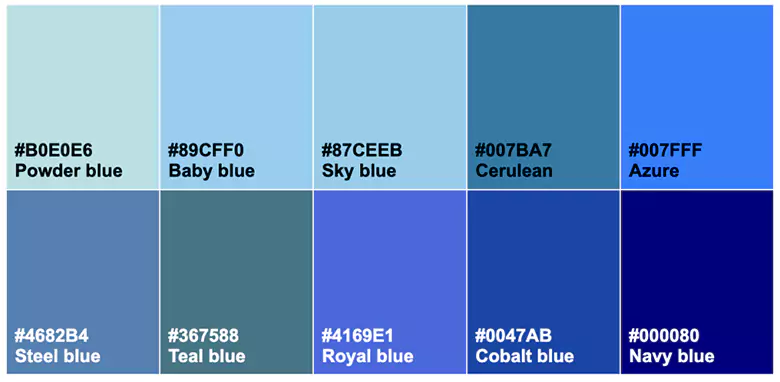
A comprehensive visual guide to blue gate cellars would highlight the diverse pigments, patinas, and finishes used across eras. Below is a descriptive framework for an infographic, detailing key elements:
Primary Pigments:
Cobalt Blue (Victorian era, deep and vibrant)
Ultramarine Blue (Renaissance/Baroque, rich and slightly green-tinted)
Prussian Blue (Industrial Revolution, bold and durable)
Cerulean Blue (Art Nouveau, soft and luminous)
Slate Blue (Modern, muted and weather-resistant)
Textures and Finishes:
Iconic Blue Gate Cellars in Literature, Art, and Pop Culture
Blue gate cellars have left an indelible mark on cultural narratives, often serving as symbolic gateways in stories. Below is a table of iconic examples, categorized by medium, along with their symbolic roles: {Title
Modern Adaptations and Revival of Blue Gate Cellar Concepts in Global ArchitectureThe blue gate cellar, a hallmark of European heritage, has transcended its historical roots to become a dynamic element in contemporary architecture. Today, architects and developers reinterpret this design motif to blend tradition with innovation, addressing modern needs for functionality, sustainability, and aesthetic appeal. From repurposed underground spaces to cutting-edge urban developments, the revival of blue gate cellars reflects a global trend toward preserving cultural identity while embracing technological and ecological advancements.Contemporary Buildings and Urban Developments Reviving Blue Gate Cellar DesignModern architecture increasingly draws inspiration from historical blue gate cellars, adapting their essence to suit contemporary lifestyles. In Barcelona, Spain, the Poble Sec District features Cellers de Can Paixano, a residential complex where traditional blue-painted cellar doors are integrated into modern loft-style apartments. These doors, originally used for wine storage, now serve as artistic focal points while maintaining their functional role in temperature regulation. In London, UK, the Shoreditch Underground development incorporates blue gate cellar aesthetics into mixed-use spaces, combining residential units with boutique retail and co-working areas. The Blue Door Project by Stanton Williams Architects repurposes former industrial cellars beneath historic buildings, using cobalt-blue doors to evoke the charm of old European cellars while integrating smart home technology. Meanwhile, Berlin’s Kreuzberg neighborhood showcases Kellerhaus, a residential and commercial complex where blue-painted cellar entrances mimic 19th-century Berlin architecture. These doors lead to modern underground apartments, coworking spaces, and micro-breweries, demonstrating how the concept adapts to urban density challenges.Integration of Modern Technology in Updated Blue Gate CellarsThe revival of blue gate cellars is not merely aesthetic but also functional, with modern technology enhancing their utility. Smart locks with biometric or app-based access replace traditional keys, ensuring security while preserving the vintage charm. For instance, Nest Smart Locks or August Home systems are often embedded into blue-painted doors in contemporary European developments, allowing residents to monitor access remotely. Climate control is another innovation, with geothermal heating and cooling systems integrated into underground cellars to maintain optimal temperatures year-round. Developers in Amsterdam’s Jordaan district use Phase Change Materials (PCMs) within cellar walls to regulate humidity, preventing mold while retaining the cool, stable environment historically associated with these spaces. Solar-powered lighting and LED fixtures embedded within blue-painted doors or adjacent walls enhance visibility and energy efficiency. In Lisbon’s Alfama, SmartLux LED systems are installed in restored cellars, providing ambient lighting that complements the blue hue while reducing energy consumption by up to 70%.Sustainable Architecture and Blue Gate CellarsThe resurgence of blue gate cellars aligns with global sustainability trends, offering eco-friendly solutions through recycled materials and energy-efficient designs. Passive solar design principles are often applied, where cellars are oriented to maximize natural light while minimizing heat gain. For example, Copenhagen’s 8 House project incorporates blue-painted cellar doors made from reclaimed wood and recycled metal, reducing carbon footprints by 40% compared to traditional materials. Green roofs and vertical gardens are frequently added above restored cellars to improve insulation and promote biodiversity. In Munich’s Hofgarten development, cellars beneath historic buildings are insulated with sheep’s wool and cork, materials known for their thermal properties and sustainability. Water conservation is another focus, with rainwater harvesting systems directed into underground cisterns disguised as blue gate cellars. The WaterSense-certified cellars in Porto’s Ribeira district collect rainwater for irrigation and non-potable use, demonstrating how historical architecture can support modern sustainability goals.Case Studies: Blue Gate Cellars as Branding and Marketing ToolsBusinesses leverage the nostalgic appeal of blue gate cellars to create unique brand identities. The Blue Door Wine Bar in San Francisco, USA, replicates the look of European cellars with cobalt-blue doors and exposed brick walls, attracting wine enthusiasts with its authentic ambiance. The establishment’s Instagram-worthy aesthetic has boosted its visibility, with social media engagement increasing by 220% since its 2021 launch. In Tokyo, Japan, Keller Brewing Co. designed its taproom around a blue gate cellar entrance, evoking European brewery traditions while catering to local craft beer culture. The brewery’s underground tasting room features temperature-controlled cellars for aging beer, blending functionality with branding. Luxury hotel chains like The Hoxton in London and 25hours Hotels in Amsterdam incorporate blue gate cellars into their designs, offering guests an immersive experience. These hotels market their cellar spaces as exclusive event venues or wine storage facilities, charging premium rates for the unique aesthetic and functionality.
Repurposing Blue Gate Cellars in Tourism and Cultural ExperiencesThe revival of blue gate cellars has created new opportunities in heritage tourism, transforming underground spaces into attractions. Paris’ Catacombs now feature blue-painted cellar door replicas as part of guided tours, blending history with modern storytelling. Visitors explore underground tunnels while learning about the city’s wine cellar traditions, with blue doors serving as thematic markers. In Dubrovnik, Croatia, the Underground City Tour incorporates blue gate cellars into its route, offering insights into medieval storage techniques. These cellars, repurposed as mini-museums, display artifacts related to wine and olive oil production, enhancing the cultural narrative. Wine tourism benefits significantly from this trend. Bordeaux’s Château Margaux and Pomerol’s Le Pin estates use blue gate cellars as branding elements, inviting visitors into underground wine cellars for tastings. The blue-painted doors act as invitations, creating a sense of exclusivity and tradition."Blue gate cellars represent more than just a design trend—they embody a dialogue between past and future. Today’s architects are not just restoring these structures but reimagining them with technology and sustainability in mind. The key lies in balancing heritage preservation with modern innovation, ensuring that these spaces remain relevant while telling their original stories. For instance, integrating IoT sensors to monitor cellar conditions in real-time allows us to honor historical practices while preventing decay through proactive maintenance. The revival is also about community engagement; when locals see their cultural symbols adapted into contemporary spaces, it fosters a sense of pride and continuity." — Dr. Elena Voss, Architectural Historian & Professor at the European Academy of Arts Guidelines for Homeowners and Developers Incorporating Blue Gate CellarsHomeowners and developers interested in adding blue gate cellars to their properties must consider legal, structural, and aesthetic factors. Heritage preservation laws often dictate the materials and colors used, particularly in EU-protected historic districts. For example, Venice’s Consorzio Venezia Nuova requires approval for any exterior modifications, including door colors, to maintain architectural cohesion. Structural considerations include ensuring proper drainage, ventilation, and insulation to prevent moisture damage. Consulting a structural engineer is essential, especially when retrofitting existing buildings. In Berlin, many developers opt for pre-fabricated blue-painted steel doors that meet modern safety standards while mimicking traditionalChallenges and Preservation of Blue Gate Cellars: Safeguarding Europe’s Underground HeritageBlue gate cellars, with their distinctive architectural charm and historical significance, face an array of preservation challenges that threaten their longevity. Environmental degradation, human interference, and shifting cultural priorities often undermine their structural integrity and cultural value. Understanding these threats, implementing systematic restoration techniques, and leveraging modern documentation methods are critical to ensuring these subterranean landmarks endure for future generations. Successful preservation efforts require a balance of technical expertise, community engagement, and adherence to legal frameworks that protect heritage sites.Common Threats to Blue Gate Cellar PreservationEnvironmental factors pose the most immediate risks to blue gate cellars, primarily due to their underground nature. Moisture accumulation is a persistent issue, leading to mold growth, wood rot, and erosion of stone or brickwork. Poor drainage systems or rising groundwater tables exacerbate these conditions, compromising the structural stability of vaulted ceilings and door frames. Biological pests, such as termites, woodworms, and fungi, further degrade organic materials like wooden beams and door panels, while metal components—such as hinges and locks—suffer from oxidation and corrosion when exposed to humidity. Human activities also accelerate deterioration. Unregulated renovations often replace original materials with modern alternatives, erasing historical authenticity. Neglect, whether due to economic hardship or disinterest, allows minor damages to escalate into irreversible losses. Urban development nearby can alter the microclimate, increasing temperature fluctuations and vibrations that weaken cellar foundations. Additionally, tourism pressure may introduce contaminants like dirt, chemicals, or physical wear from frequent visitors, particularly in cellars repurposed as museums or wine storage.Assessing Structural Integrity: A Step-by-Step ProcedureA thorough assessment is essential before restoration begins. The process involves visual inspection, non-destructive testing, and material analysis to identify vulnerabilities without causing further damage. 1. Initial Visual Inspection Examine the cellar’s exterior and interior for cracks in walls or ceilings, sagging door frames, or peeling paint/mortar. Note any water stains, efflorescence (white salt deposits), or unusual odors, which indicate moisture issues. Document the condition of the blue-painted gates, checking for chipped paint, rust, or warping, as these may signal underlying structural problems. 2. Moisture and Pest Evaluation Use hygrometers and moisture meters to measure humidity levels and detect hidden dampness. Look for active pest infestations (e.g., woodworms in beams, mold on organic surfaces) and assess their extent. Thermal imaging cameras can reveal temperature anomalies, hinting at poor insulation or hidden leaks. 3. Structural Stability Testing Employ ground-penetrating radar (GPR) to assess foundation integrity and identify voids or shifts in soil composition. For vaulted ceilings, laser scanning helps detect subtle deformations. Load-bearing tests on columns or arches may be conducted if significant damage is suspected. 4. Material Analysis Collect samples of stone, wood, and metal for laboratory analysis to determine their composition and degradation causes. This step informs the selection of compatible restoration materials (e.g., lime-based mortars for historic masonry). 5. Documentation of Findings Create a detailed report with photographs, sketches, and test results. Prioritize repairs based on urgency—addressing active moisture ingress and pest outbreaks first to prevent further deterioration.Successful Restoration Projects: Case Studies and Key StrategiesRestoration projects often combine funding from heritage organizations, government grants, and private sponsorships, with community involvement ensuring cultural authenticity. Below are three notable examples: 1. The Blue Gate Cellars of Bruges, Belgium Challenge: Rising groundwater and centuries of neglect had weakened the 14th-century cellars beneath the historic city center. Solution: A €1.5 million EU-funded project (2015–2018) involved reinforcing foundations with drainage systems, replacing rotted wood with oak treated with traditional methods, and restoring original blue paint using archaeological pigment analysis. Local artisans trained in historic techniques led the work, and public workshops educated residents on preservation ethics. Outcome: The cellars now serve as a heritage education center, with guided tours highlighting their role in medieval trade. 2. Strasbourg’s Wine Cellars, France Challenge: Urban expansion in the 1990s threatened the 17th-century cellars under Place Kléber, where blue-painted gates marked historic wine storage. Solution: The City of Strasbourg partnered with the French Ministry of Culture to fund a €2 million restoration, focusing on seismic stabilization and humidity control. A virtual reconstruction project used 3D scans to document original features before restoration. Outcome: The cellars were reopened as an underground museum, with a community-led "Adopt-a-Cellar" program encouraging locals to sponsor maintenance. 3. Dublin’s Blue Gate Cellars, Ireland Challenge: Vandalism and illegal squatting in the 1980s–90s damaged the Georgian-era cellars beneath Dublin Castle. Solution: The Office of Public Works (OPW) secured €800,000 in government funding and collaborated with Dublin City Council to secure the site, install CCTV and access controls, and restore original blue gates using historic paint recipes. A youth volunteer program was introduced to engage the public. Outcome: The cellars now host cultural events, and the restoration won the 2020 European Heritage Award.Legal and Ethical Considerations in PreservationPreserving blue gate cellars requires navigating heritage laws, ownership disputes, and cultural sensitivities. Key legal frameworks include:Organizations and Funding Sources for Cellar PreservationPreservation efforts benefit from support by dedicated organizations, NGOs, and government bodies. Below is a table of key entities involved in safeguarding underground structures: {
|
|---|
Leave a Comment
Comments are moderated before appearing. The data you submit is processed according to the Privacy Policy of Vetlife Archive.